US says will deny citizenship to immigrants who use public benefits
Through the public charge rule, President Trump´s administration is reinforcing the ideals of self-sufficiency and personal responsibility, ensuring that immigrants are able to support themselves and become successful here in America," said Ken Cuccinelli, acting Director of US Citizenship and Immigration Services.

Washington: The administration of US President Donald Trump announced Monday new rules that aim to deny permanent residency and citizenship benefits to migrants who receive food stamps, Medicaid and other public welfare.
Announcing a new definition of the longstanding "public charge" law, the White House said migrants will be blocked from entering the country if they are likely to need public assistance, and those already here will not be able to obtain green cards or US citizenship.
"Through the public charge rule, President Trump´s administration is reinforcing the ideals of self-sufficiency and personal responsibility, ensuring that immigrants are able to support themselves and become successful here in America," said Ken Cuccinelli, acting Director of US Citizenship and Immigration Services.


-
 Severe thunderstorm watch issued for Toronto region by Environment Canada
 -
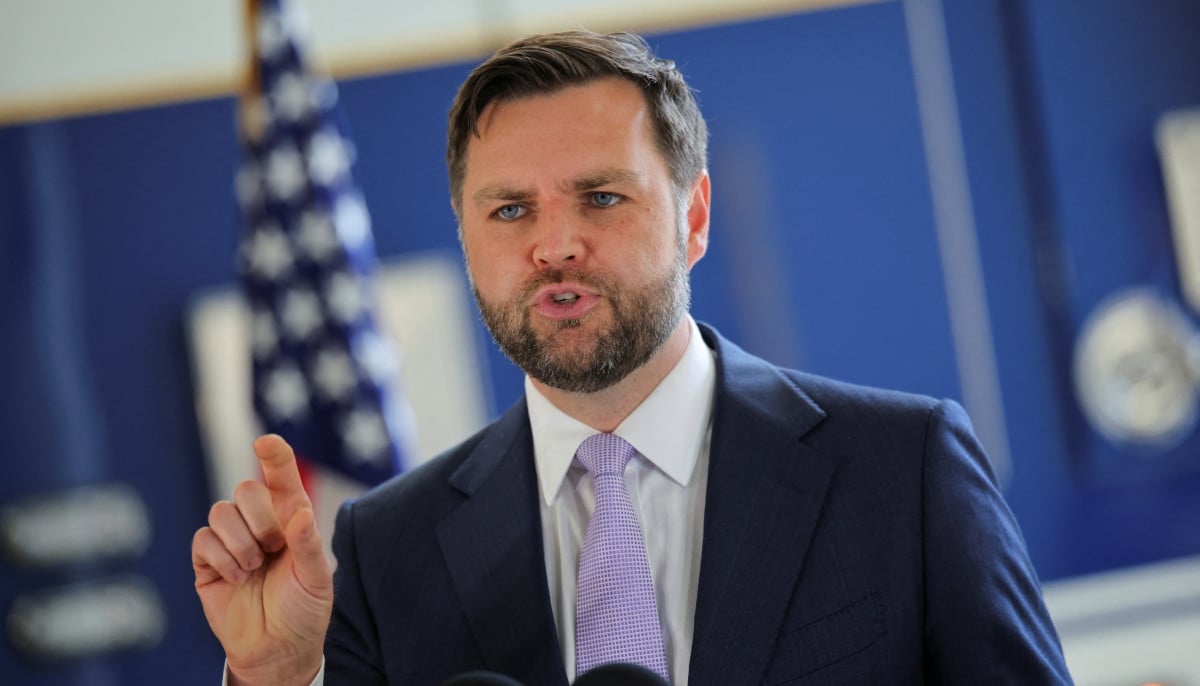 JD Vance insists US-Iran tensions will not become 'forever war'
 -
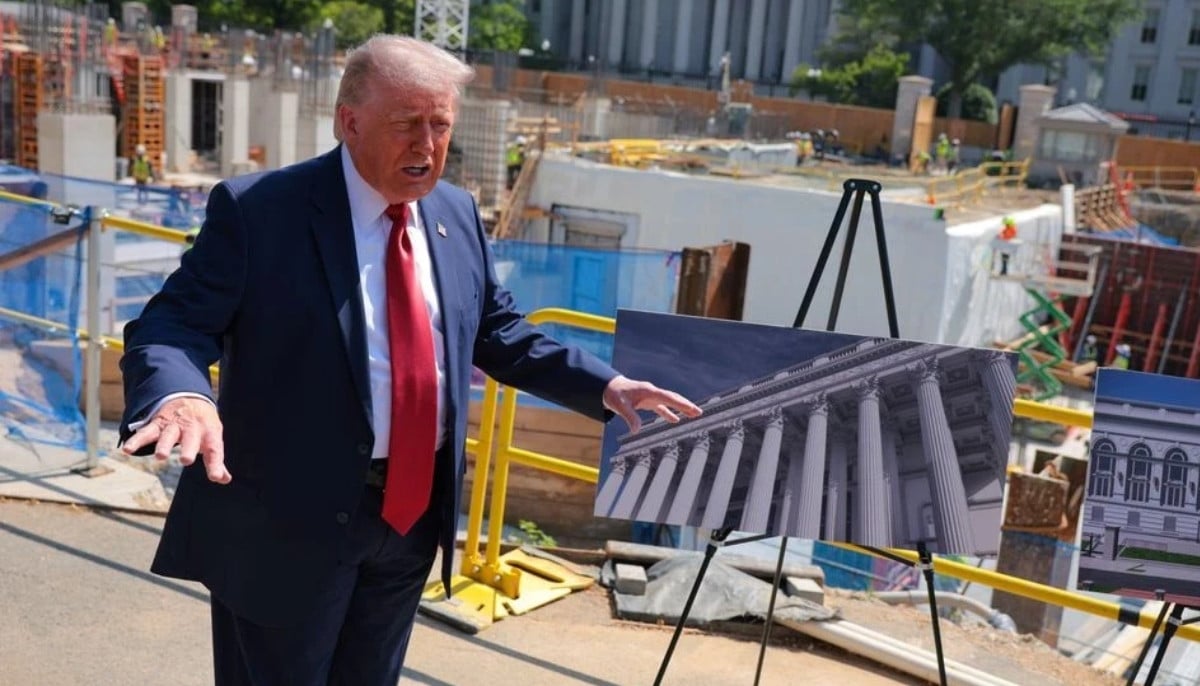 Trump IRS settlement blocks future probes into his family tax issues
 -
 Russia warns Latvia ‘NATO membership will not protect you' amid drone tensions
 -
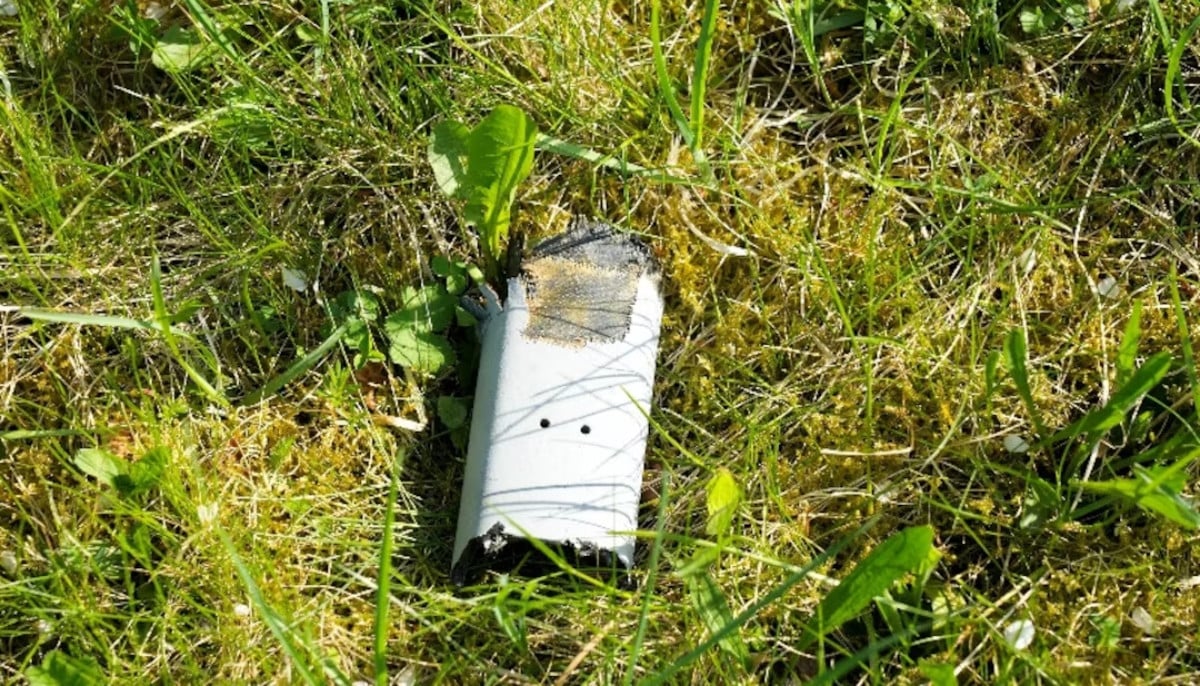 Baltic tensions rise after NATO drone is shot down over Estonia
 -
 UK presses supermarkets to cap food prices amid inflation fears
 -
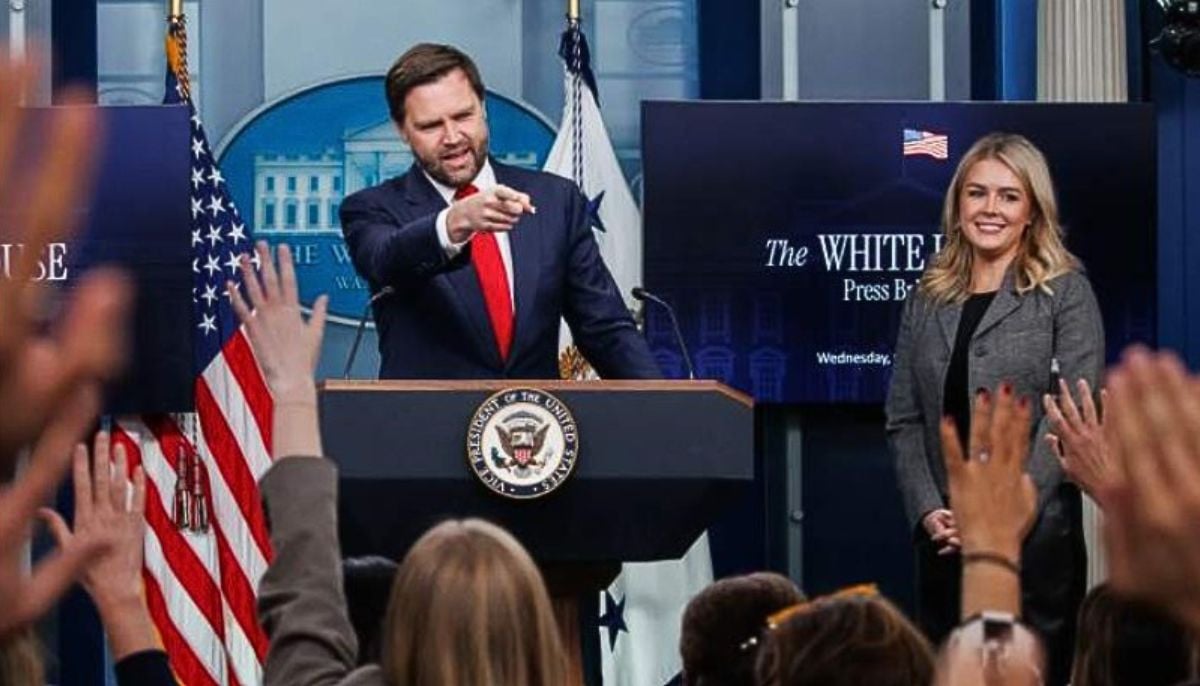 JD Vance suggests Karoline Leavitt could fill VP role in his absence
 -
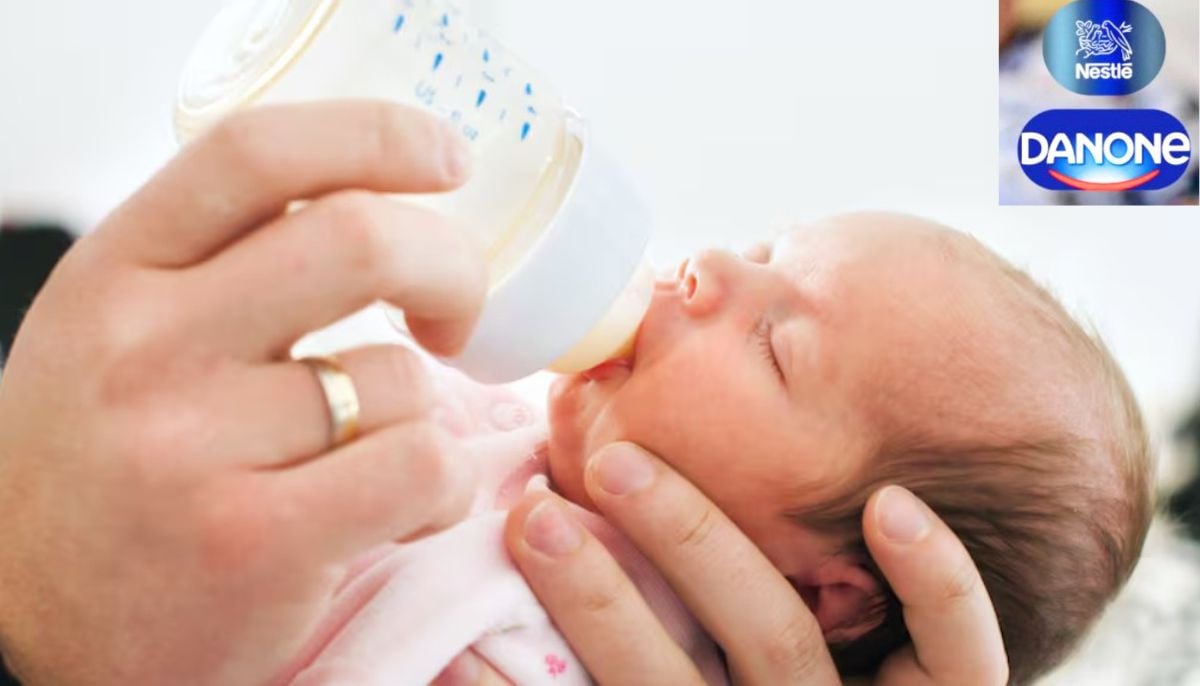 Nestlé, Danone infant formula products recalled again over contamination
-
 Red Lobster axes iconic Tallahassee location as 'Endless Shrimp' resurfaces
 -
Primary day contests:Voters go to the polls in Kentucky, Georgia, Pennsylvania and more
-
Nancy Guthrie update: Man 'moonwalking' outside her home sparks furious backlash
-
How Mark Fuhrman became one of the most controversial figures in O.J. Simpson trial