Bitcoin, crypto stocks surge 11% as Trump pushes CLARITY Act at White House summit
Bitcoin and crypto shares surged after Trump urged Congress to pass the CLARITY Act, fueling hopes for clearer U.S. digital-asset regulations

Cryptocurrency prices and blockchain-related stocks surged after U.S. President Donald Trump urged Congress to pass a “fair version” of the Digital Asset Market Clarity (CLARITY) Act, giving the market a fresh boost amid renewed hopes for clearer U.S. crypto regulation.
Bitcoin rose above $70,000, reaching roughly $71,700, while Ether gained 3.3% to its highest level in more than three months. The broader digital-asset market added nearly $190 billion in a single day, pushing total market capitalization back toward $2.41 trillion.
Major altcoins, including Ethereum, Solana, BNB, XRP and Cardano, also posted gains, while a wave of short-position liquidations added to the market's upward momentum.
Blockchain-linked stocks, including Strategy, and spot crypto exchange-traded funds also attracted renewed investor interest after weeks of outflows.
The rally echoed the boost the crypto sector received after the GENIUS Act was signed into law in July 2025, establishing a federal regulatory framework for stablecoins.
The White House Summit and CLARITY Act:
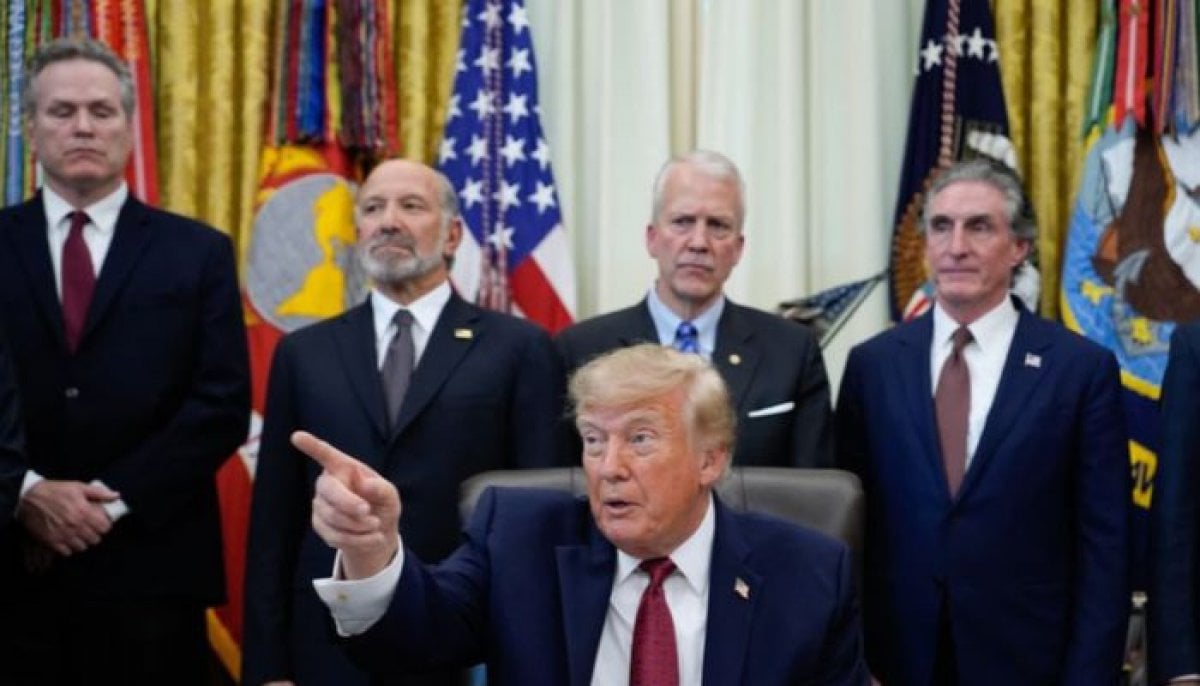
Trump hosted cryptocurrency executives, including Coinbase CEO Brian Armstrong and representatives from other blockchain companies, at a White House event in the Roosevelt Room.
During the gathering, Trump urged lawmakers to advance a “fair version” of the CLARITY Act, arguing that clear federal rules are essential for keeping the United States ahead of international competitors and supporting the next wave of financial innovation.
The CLARITY Act seeks to establish clearer regulatory boundaries between the Securities and Exchange Commission (SEC) and the Commodity Futures Trading Commission (CFTC).
If enacted, the legislation would provide greater clarity over whether different digital assets should be treated as securities or commodities and which federal agency should oversee them.
The bill has already passed the House but has faced delays in the Senate, where lawmakers continue to debate provisions involving tokenized assets, stablecoins and regulatory safeguards.
Supporters argue that clearer rules could encourage investment and innovation, while critics remain concerned about industry influence, ethics rules and potential conflicts of interest involving political figures.
The debate has gained additional attention because Trump and his family have financial interests in cryptocurrency ventures. Trump disclosed more than $1.4 billion in earnings from his family's crypto businesses in 2025, according to financial disclosures.
Industry executives and analysts argue that legislation is needed to provide durable regulatory certainty rather than leaving the sector vulnerable to shifting administrations, regulatory interpretations and court challenges.
However, some Democrats and Republicans have said they would not support the CLARITY Act without stronger restrictions on political officials, including Trump, profiting from their own cryptocurrency ventures.


-
 Trump pushes South Korea on Alaska LNG deal: Why Seoul is hesitant
 -
 AI boom could trigger severe market shocks, Bank of England warns
 -
 US inflation rises less than expected: What to know
 -
 OpenAI’s revenue run rate nears $70 billion: What to know
 -
 Canada’s economy records zero growth in July as key sectors decline
 -
 UK diesel price hits all-time high amid Middle East supply crunch, RAC warns
 -
 Meta’s Muse AI agent gets new tools for small businesses: What to know
 -
 China weighs allowing ByteDance, Alibaba to purchase new Nvidia RTX Pro 5500 chips
-
 Why Bill Gates is calling for stronger AI rules amid growing safety concerns
 -
Meta’s Muse agent targets one of the economy’s most profitable sectors: Key details to know
-
Andy Burnham refuses to back Heathrow’s third runway
-
US, China agree to $30 billion tariff cuts; Launch 'Super Intelligence' AI dialogue