US eases oil sanctions as Iran refuses JD Vance’s nuclear inspector claims
The US Treasury issued a 60-day sanctions waiver, laying the ground for the production, delivery, and sale of Iranian oil to the US

On Tuesday, Iran reportedly rejected a claim by Vice President JD Vance that it will allow nuclear inspectors to return to the country following the first round of talks between Washington and Tehran to finalize an agreement to end the war.
This comes after negotiations in Switzerland where Vance said discussions with the International Atomic Energy Agency could begin as soon as today.
According to a joint statement released on Monday, Qatar and Pakistan clarified that after the first round of talks in the Swiss resort of Burgenstock. The US and Iran had agreed to a master plan aimed at reaching a final deal within two months.
Treasury Secretary Scott Bessent was of the view that in exchange for the 60-day waiver, Tehran had committed to keeping the strategic Strait of Hormuz open and allowing IAEA nuclear inspectors back into the country.
He further clarified that the process needs to start at a minimum this week but conversations with inspectors are expected to begin as soon as today.
On social platform X, Trump said that Iran “will agree to have Major Weapons Inspections.”
In an interview with an Iranian state news agency, foreign ministry spokesman Esmail Baqai said Tehran has made no new commitments regarding nuclear inspectors.
On Sunday, Trump warned on Truth Social that the US could hit Iran “very hard again.” The US vice-president said that he had publicly informed Iranian delegates that Trump was merely answering to Iranian trash talk.
In this regard, the US president said: “If Iran doesn't live up to their agreement, or if they’re not behaving, I will do what I have to do.”
As reported by the BBC, the Qatari and Pakistani mediators' official declaration said that a communication line had been established to avoid miscommunication, focusing on unhindered passage for commercial vessels through the Strait of Hormuz.
The statement further reads that both sides have agreed to the creation of a “de-confliction cell” between the US, Iran, and Lebanon negotiated by the mediating countries to ensure the termination of military operations in Lebanon.
On Saturday, the US maintained that the strait was never closed for the second time and tracked 55 merchant ships loaded with more than 17 million barrels of oil.


-
 Christa Pike 'feels connection' with Lindsay Clancy ahead of her execution
 -
 FBI faces internal criticism after hackers steal sensitive employee data
 -
 Argentina threatens UK with international legal action over Falkland Islands oil exploration
 -
 Trump says ICE can arrest migrants without criminal records
 -
 Tennessee prepares to execute first female inmate in more than two centuries
 -
 Estonia says Russia behind ‘sabotage’ attack on Ukraine defence supplier in Tallinn
 -
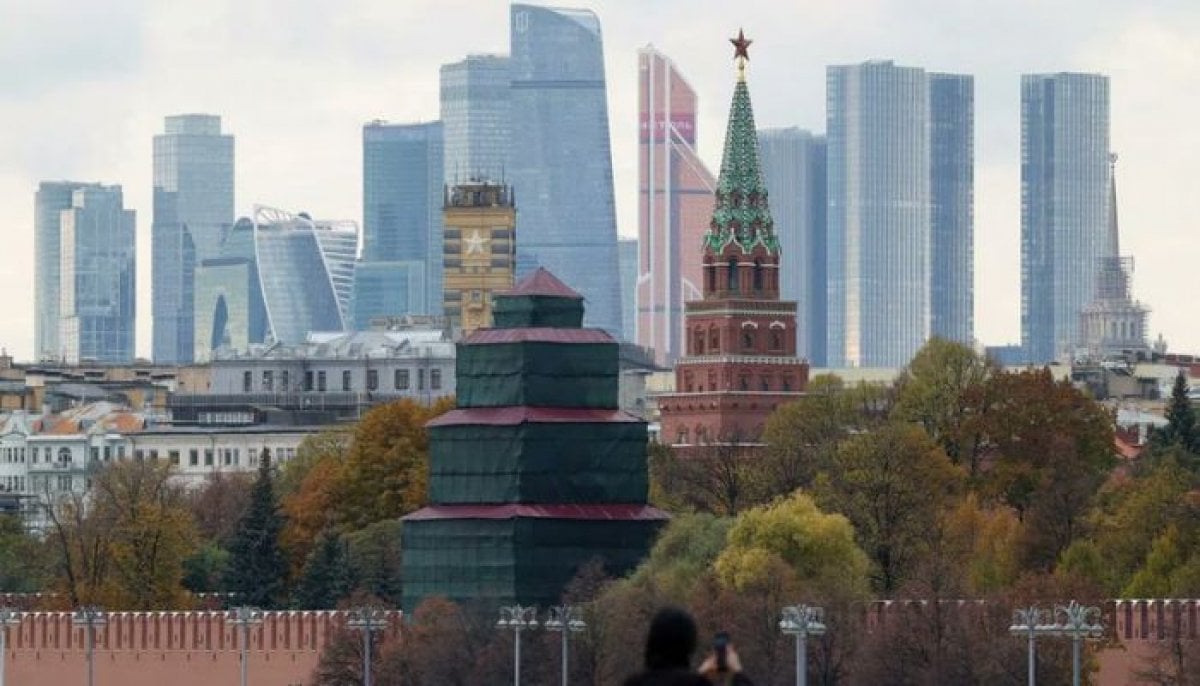 Russia’s corporate crackdown widens with new message to EU businesses
 -
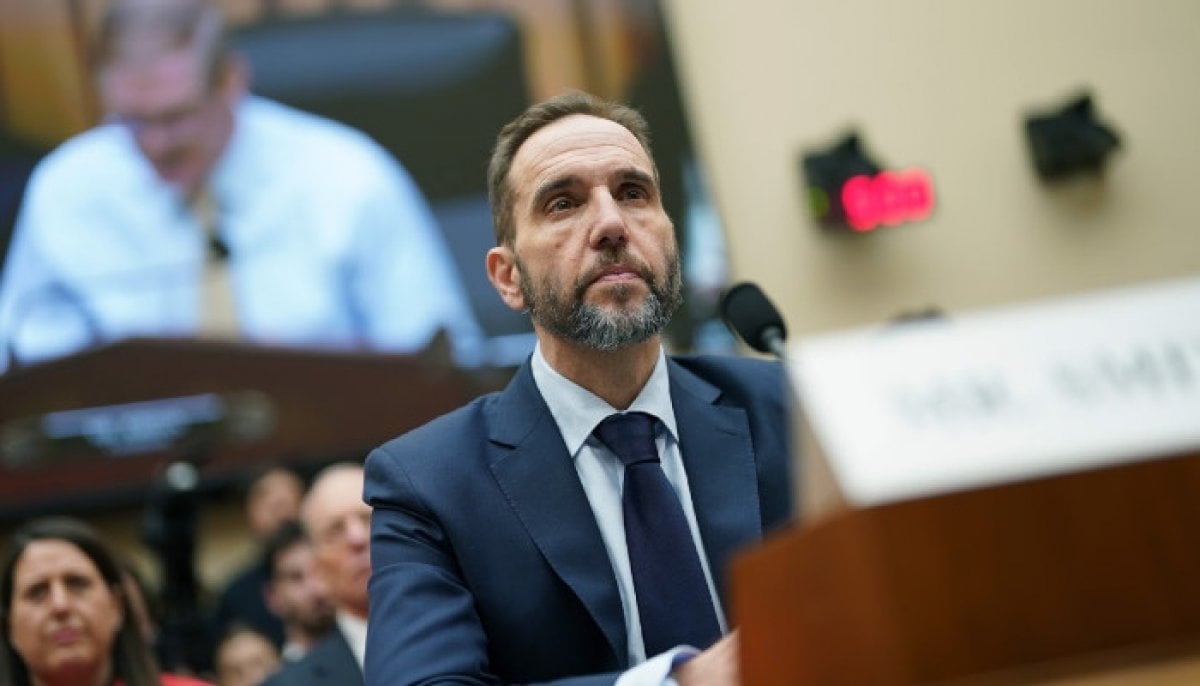 Ex-special counsel says he would prosecute Trump again based on same evidence