Ford major move to cut engine recalls: Here’s what drivers need to know
A new process of stripping down built engines is underway at its factories serving as a crucial execution to reduce recalls

Ford has officially acknowledged its persistent quality control issues by shattering records in 2025 for the most vehicles recalled in a single year, totalling 12.9 million cars across 153 separate recalls.
Primarily, fixing these quality issues won’t happen overnight but the Blue Oval is taking significant steps to rectify the situation.
Neil Wilson recently detailed the factory’s aggressive shift toward improving engine quality and reliability. It is crucial to note that the facility is moving away from tracking simple production to focus largely on AI-driven controls.
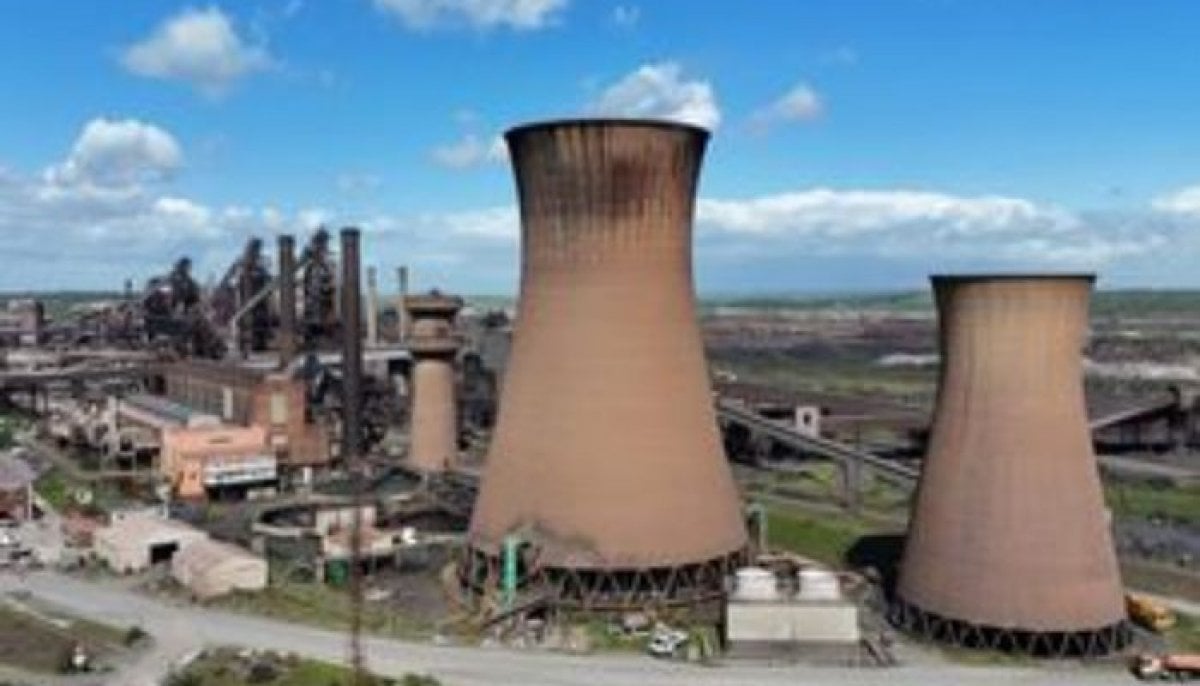
For those unversed, the Essex engine plant is responsible for the production of the Coyote 5.0-liter V-8 for the Mustang and F-150.
Wilson said: “And it's providing real insight on how to protect quality, and it's no longer a reactive tool. It's something that we’re leaning pretty hard into. And it's paid for itself, in the respect that, you know, we can make these things better, improve our first time through, ensure that the customers are getting the best engines we can potentially put out for them.”
An engine can be built with parts that 100 percent exist within specification, yet the AI’s tool physical assessment can still throw up yellow or red flags suggesting a microscopic deformation.
Logically, every engine leaving the plant should meet basic specifications and advise remedial action before a vehicle reaches a customer.
Wilson further explains: “And our technicians are really relentless in how they do that interrogation of the engine. These guys literally don't go home until they find something that they can learn from.”
The results indicate a clear decrease in Ford’s warranty claim frequency. One can analyze data from zero and three months in service, the automaker can precisely anticipate prospective claim issues over the entire lifecycle of the vehicle.
These metrics have significantly declined since the reverse engineering initiative was implemented. This drop provides clear evidence of success as Ford aims to mitigate vehicle recalls over the long-term goals.
Ford’s spokesperson further clarified that the recent recall originated from a specific flow within a vehicle population. Additionally, he maintains that the company is aggressively working to elevate its manufacturing quality and regain customer confidence.


-
 Qualcomm and Apple extend global patent licensing agreement: What to know
 -
 Chinese AI startup DeepSeek hits $1 billion annualized revenue run rate following API price hikes
 -
 Morgan Stanley staffer accidentally emails Asia deal to outsiders: Key details to know
 -
 Oil prices drop for fifth straight session amid hopes for Iran diplomacy and Saudi pipeline
 -
 Apple aims to take on Microsoft, Nvidia in a rush to lower AI costs with new devices
 -
 SoFi launches first U.S. stablecoin settlements on Mastercard: What users need to know
 -
 Banks raise red flags over AI shopping bots and scam risks: What to know
 -
 Alibaba shares jump 5% as it debuts 'most powerful' AI chip and 10-trillion-parameter model