US-Iran ceasefire set to go public, long-term peace still unresolved
US and Iran signs ceasefire memorandum extending their truce by 60 days, reopening Strait of Hormuz and lifting oil sanctions
_updates.jpg)
A war that has killed more than 7,000 people across Iran and Lebanon may be edging toward a pause. The United States and Iran have signed a memorandum of understanding extending their April ceasefire by another 60 days.
The deal, which has not yet been made public in full, was confirmed by US President Donald Trump and a senior US official on Tuesday.
Trump said the agreement makes clear that Iran will not develop a nuclear weapon, with a formal release of the full text expected within days.
Hormuz Strait to reopen Friday
Under the accord's terms, the US will end its blockade of Iranian ports while Tehran restores the passage of oil tankers and other vessels through the Strait of Hormuz, a waterway that typically carries roughly one-fifth of the world's oil and liquefied natural gas trade.
Iran has effectively blocked the strait since the US and Israel launched strikes on February 28.
Both sides claim that the strait would be operational beginning Friday, with no tolls for 60 days. However, shipping firms claim that they would have to wait and see if the ceasefire remains in place before conducting business as usual.
Iranian state TV stated on Tuesday that blockade-lifting measures were already ongoing, although ships will have to coordinate with Iranian Revolutionary Guards.
The 60-day window is designed to allow negotiators to return to harder questions: the future of Iran's nuclear programme, sanctions relief, and the potential unfreezing of foreign assets.
According to US and Iranian officials, a final agreement might result in the unlocking of $300 billion worth of reconstruction money from Gulf countries targeted by Iranian strikes during the conflict, provided that certain conditions are met.
It has been pointed out that the present negotiating agenda fails to include two points, which were highlighted by Trump and Netanyahu to justify the war aimed at destroying the Iranian missile system and cutting off its funding for its regional militias, like Hezbollah.
Moreover, Israel did not participate in the negotiations, and it has kept away from the recent agreement and even the April cease-fire agreement. According to Reuters, Israel was not part of the agreement, and it does not intend to pull back from Lebanon.


-
 2 killed, 2 injured after pedestrians struck at Tsawwassen Mills
 -
 US Justice Department accuses Minnesota federal judges of misconduct
 -
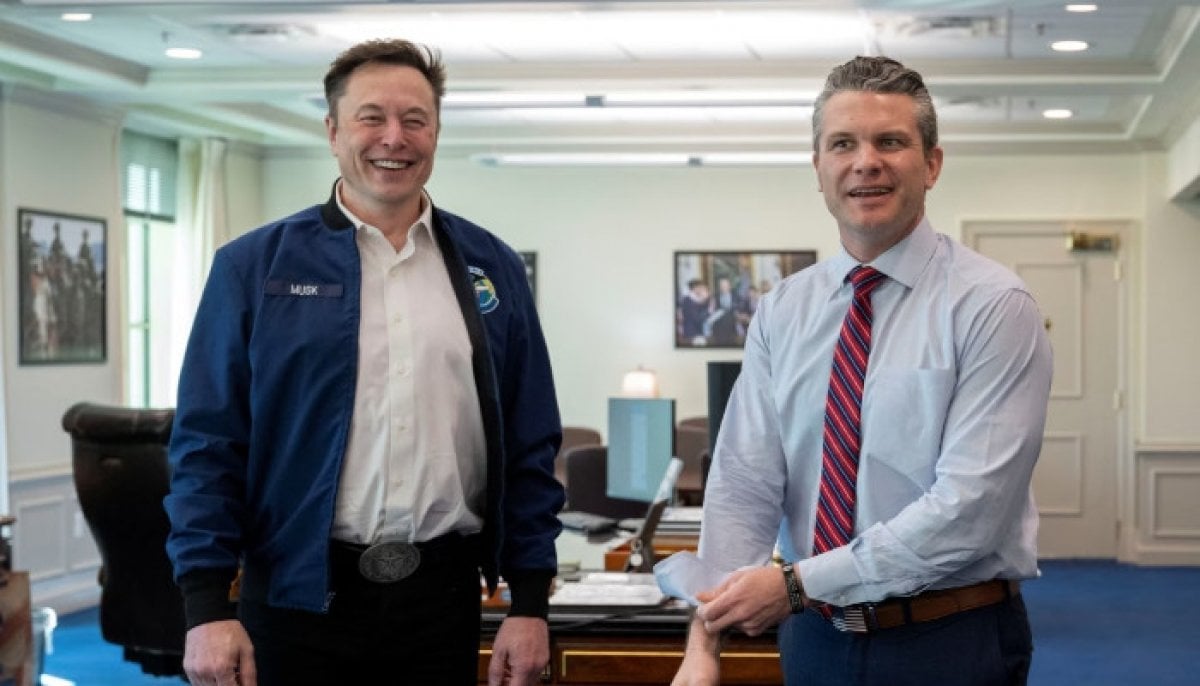 Elon Musk tapped for new Pentagon project to study ‘future of warfare’
 -
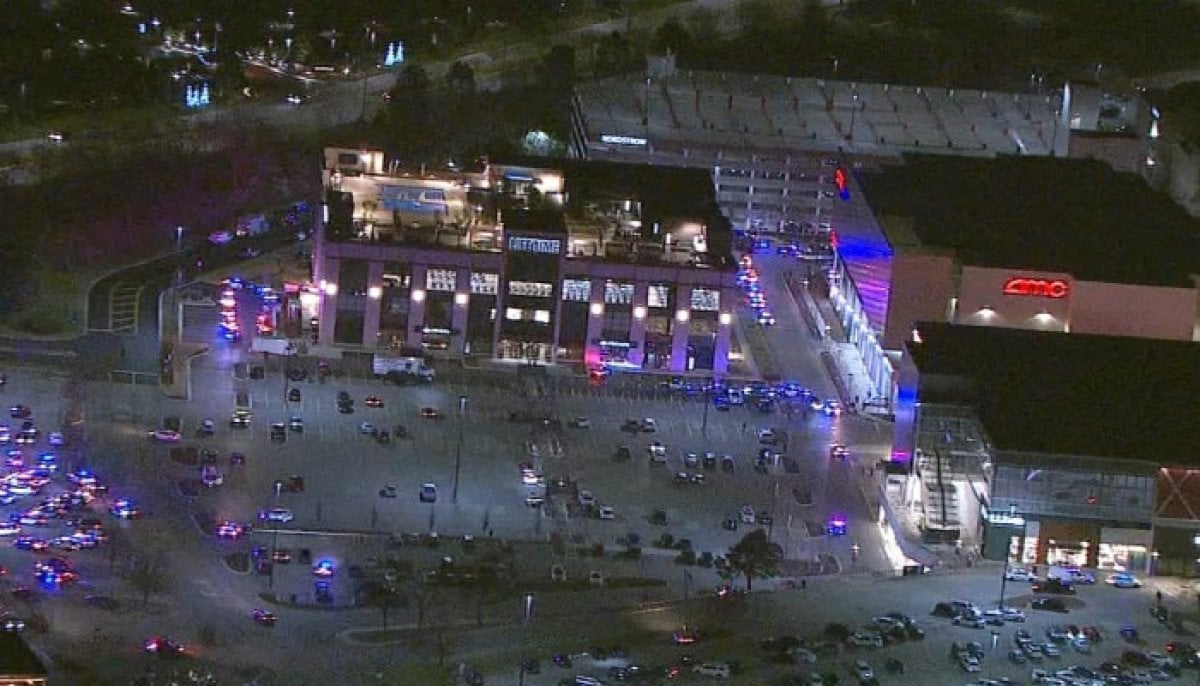 Oakbrook Center shooting: Police say all involved are in custody or accounted for
 -
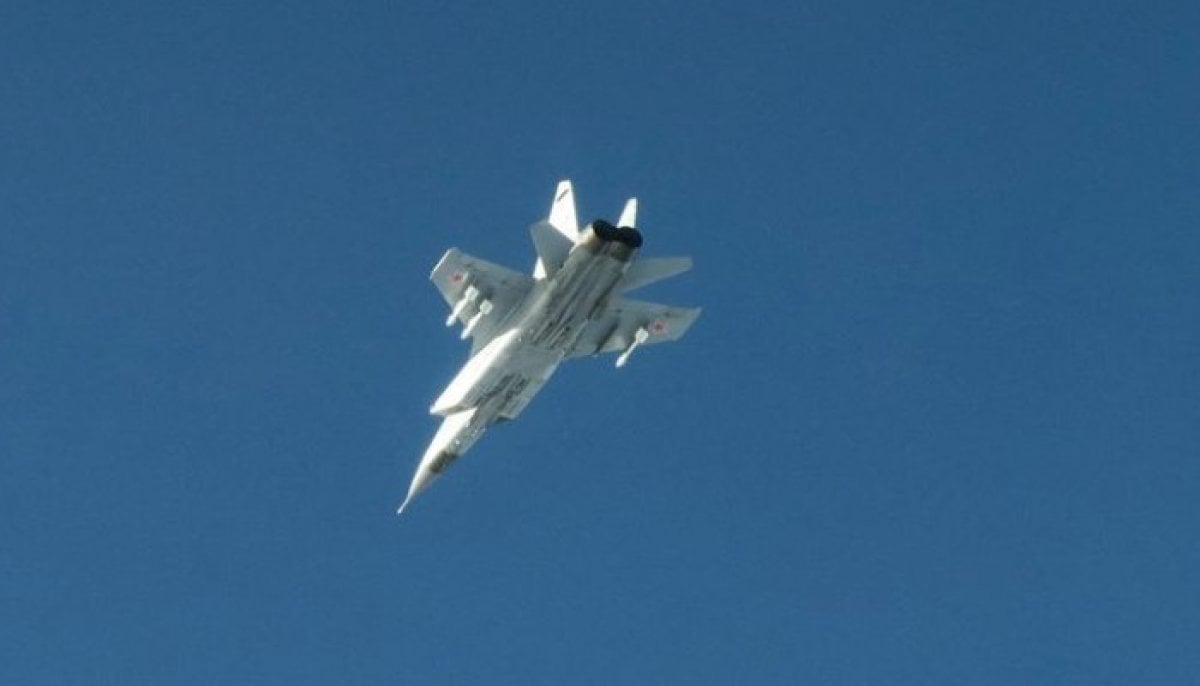 Russia warns it could use nuclear weapons if NATO cuts off Kaliningrad
 -
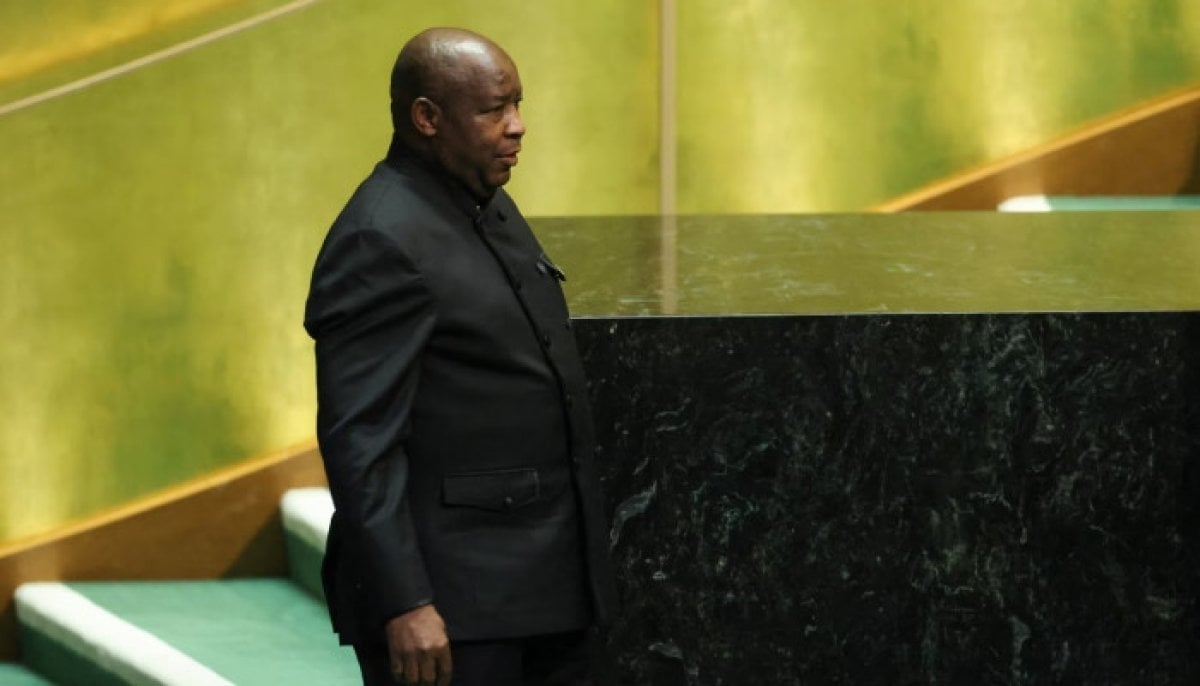 Trump administration to send migrant deportees to Burundi under new deal
 -
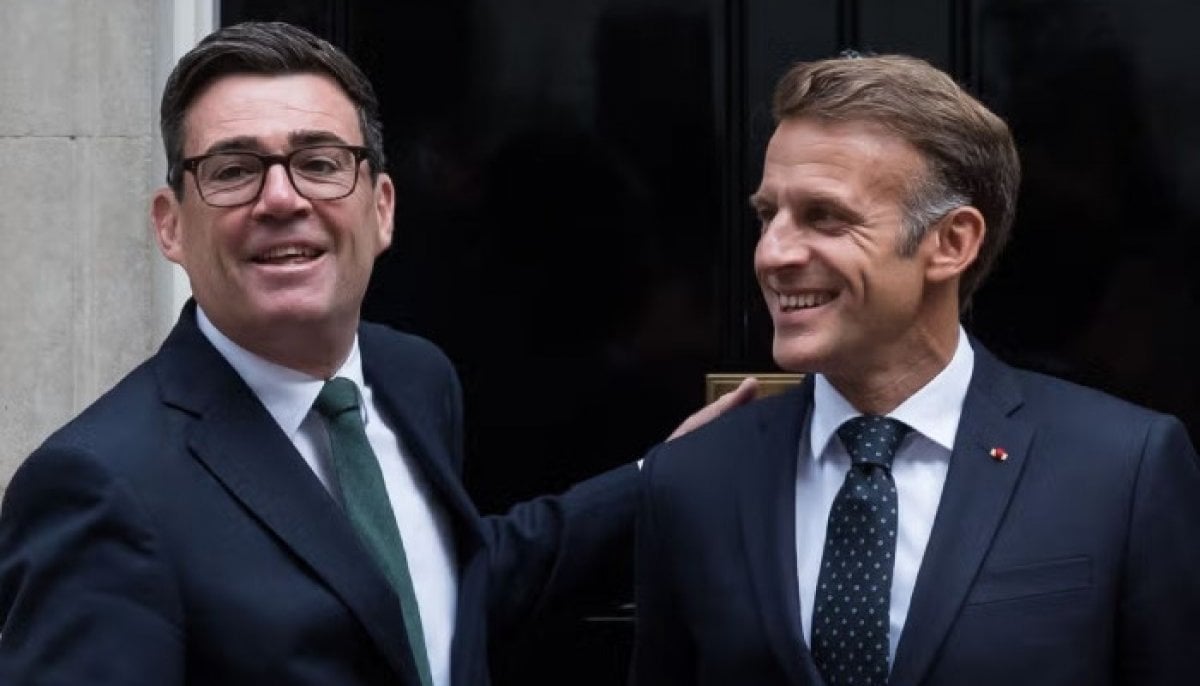 Macron tells Britain ‘welcome back’ after Burnham floats EU return
 -
 Tennessee woman’s execution halted just an hour before lethal injection
-
 Police expose Nancy Guthrie ‘new’ ransom note
 -
China extends US trade barrier investigations to December 27 amid ongoing talks
-
US court halts execution of woman on death row at eleventh-hour
-
UK household energy bills forecast to see biggest rise in four years amid shortage crises and geo-political tensions