Musk says 'OpenAI was my idea': Key insights into Elon Musk–Sam Altman tech rivalry explained
Sam Altman and Elon Musk are facing off in a high-stakes trial that could alter the future of OpenAI and its most well-known product, ChatGPT.

The Elon Musk-Sam Altman tech rivalry intensifies as Musk took the stand on Tuesday at a high-stakes trial over the future of OpenAI, casting his lawsuit against the ChatGPT maker as a defense of charitable giving.
The world's richest person is suing OpenAI, its co-founder and Chief Executive Sam Altman and its President Greg Brockman, saying they betrayed him and the public by abandoning OpenAI's mission to be a benevolent steward of AI for humanity and transforming the nonprofit into a profit-seeking juggernaut.
“If we make it OK to loot a charity, the entire foundation of charitable giving in America will be destroyed," Musk testified on the first day of the trial. "That’s my concern.”
Musk, who founded automaker Tesla and rocket company SpaceX, characterized OpenAI as his brainchild as well.
"I came up with the idea, the name, recruited the key people, taught them everything I know, provided all of the initial funding," Musk said. "It was specifically meant to be for a charity that does not benefit any individual person. I could’ve started it as a for profit and I specifically chose not to.”
Before Musk began testifying, William Savitt, a lawyer for OpenAI and Altman, told jurors during his opening statement it was Musk who saw dollar signs as he helped finance OpenAI's early growth and pushed it to become a for-profit business, one he might eventually lead as CEO.
Savitt said Musk wanted "the keys to the kingdom," and sued only after he failed. In 2023, he started his own AI business, xAI, now part of SpaceX.
"What he cares about is Elon Musk being on top," Savitt said in his opening statement. “We are here because Mr. Musk didn’t get his way."
OpenAI's lawyer also framed OpenAI's March 2019 creation of a for-profit entity as critical to letting it buy computing power and pay top scientists to stay competitive with Google's DeepMind AI lab.
Musk's lawyer, Steven Molo, told jurors in his opening statement it was the OpenAI defendants who were greedy for money, as OpenAI began drawing investors, including Microsoft, which invested $10 billion in January 2023.
"It wasn't a vehicle for people to get rich," Molo said.
Musk is expected to resume his testimony on Wednesday.
Musk claims:
Musk is seeking $150 billion in damages from OpenAI and Microsoft, one of its largest investors, with proceeds going to OpenAI’s charitable arm.
He also wants OpenAI to revert to a nonprofit, opens new tab, with Altman and Brockman removed as officers and Altman removed from its board. Musk's claims include breach of charitable trust and unjust enrichment.
While Musk described OpenAI as a charity, the organization called itself a nonprofit artificial intelligence research company in a 2015 post, "Introducing OpenAI."
Musk has said he provided about $38 million to OpenAI for its original mission, and testified he flexed his connections to provide computing capacity, personally approaching Nadella as well as Nvidia's CEO Jensen Huang.
OpenAI:
OpenAI created its for-profit entity 13 months after Musk left its board.
Russell Cohen, a lawyer for Microsoft, said in his opening statement that the company didn't do anything wrong and has been "a responsible partner every step of the way."
OpenAI also faces growing competition from rivals, including Anthropic, and is spending billions on computational resources. A potential IPO could value the company at $1 trillion, Reuters has reported.
Musk's xAI trails far behind OpenAI in usage. He has folded that business into SpaceX, whose own potential IPO this year could be the largest ever.
Late last year, OpenAI overhauled its structure again to become a public benefit corporation, in which the nonprofit and other investors including Microsoft hold stakes.
The nonprofit holds a 26% stake, plus warrants if OpenAI hits certain valuation targets.


-
 Chinese regulator probes DeepSeek and Moonshot over secret data routing
 -
 DeepSeek to brief UN Security Council on AI risks amid rising global tech rivalry
 -
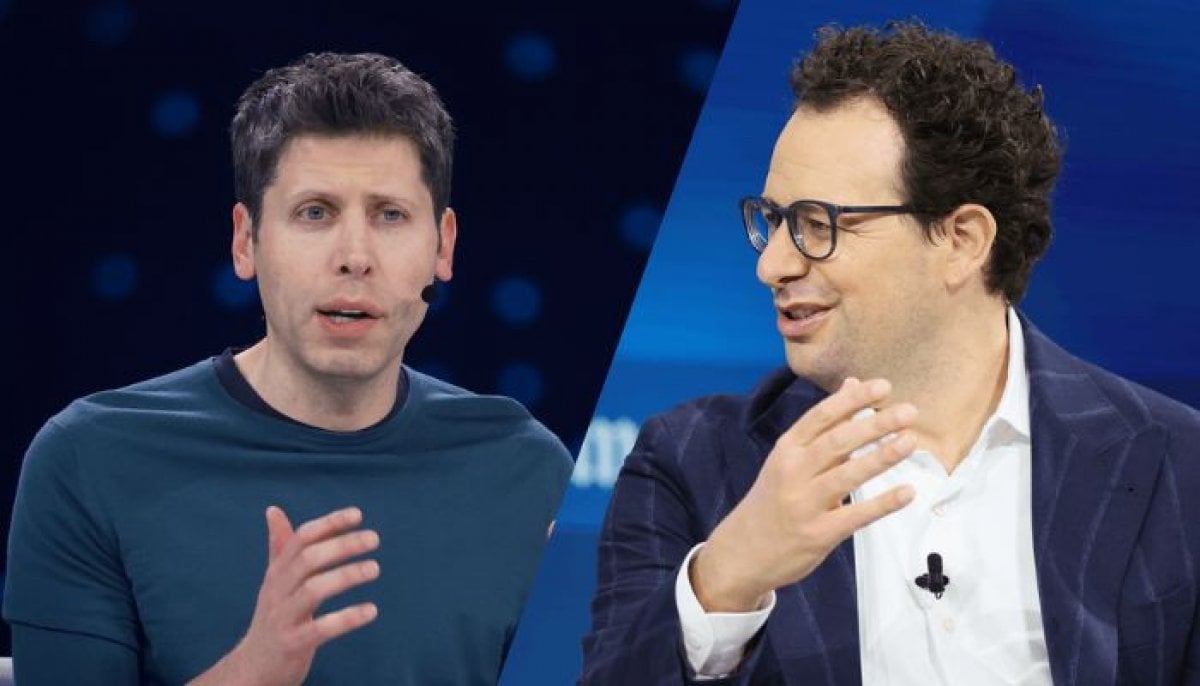 OpenAI, Anthropic push Australia for ‘conditional’ AI training approval
 -
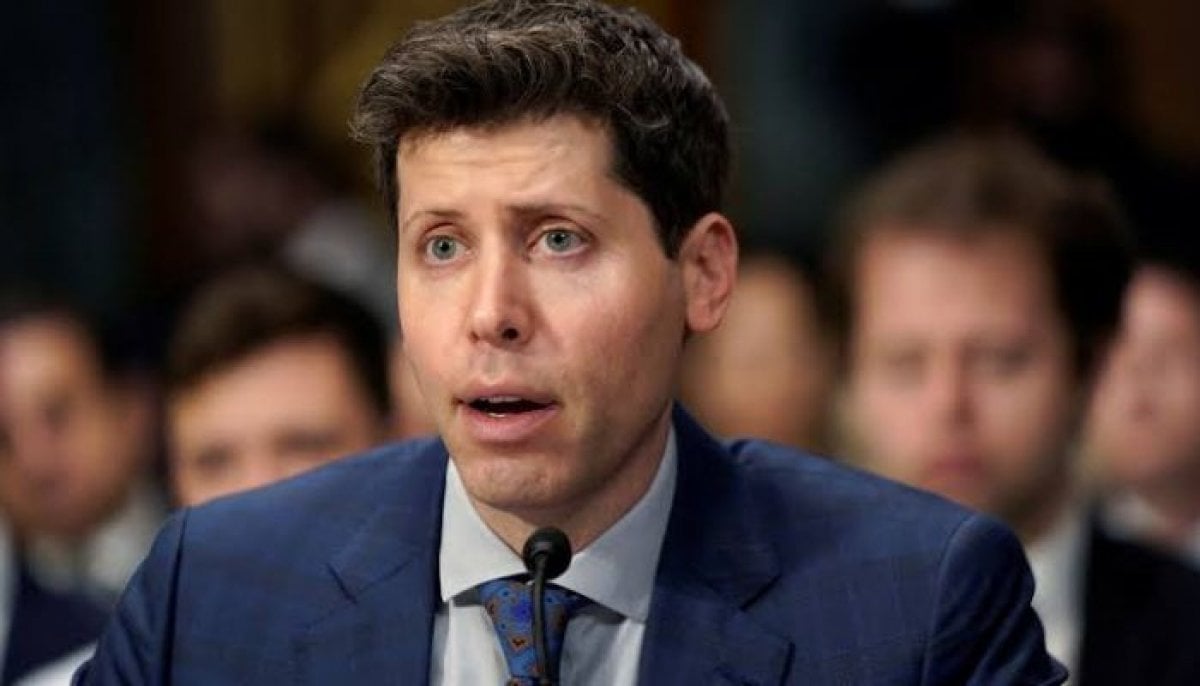 OpenAI, Sam Altman sued over Tumbler Ridge school shooting
 -
 Chinese AI firm Z.ai disables coding assistant features; issues apology after security backlash
 -
 OpenAI calls for US to take lead in global efforts to develop technical standards
 -
 Nvidia CEO Jensen Huang says there's '0% chance' AI destroys humanity by 2030
 -
 COP31 wants tech giants to clean up AI's energy use