Teens are highly vulnerable to social media, experts warn
Teenagers spend hours online but still feel lonely and disconnected in real life

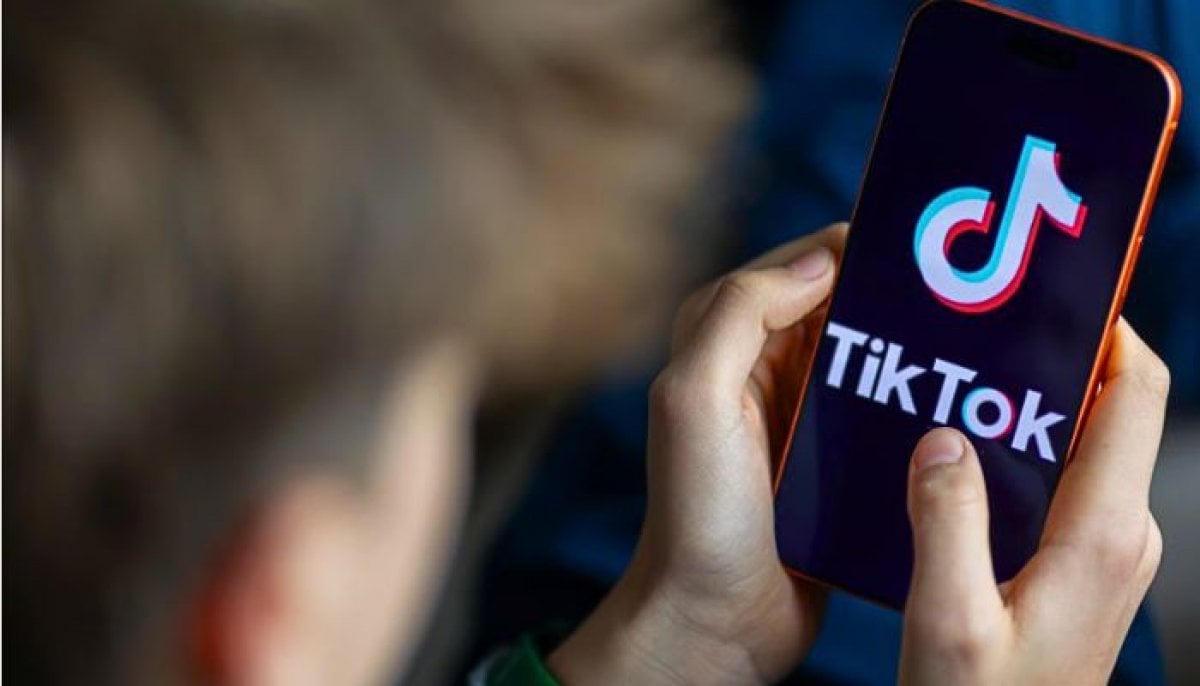
A jury in a historic trial determined that social media platforms Meta and YouTube created addictive features which caused mental health problems for a teenage user.
Experts say neuroscience explains why teens are particularly vulnerable to these platforms, as their developing brains respond strongly to social feedback and dopamine hits.
Social media exploits teen brain
Teenagers develop their brains until complete maturity, which leads them to experience heightened responses to rewards and social approval. Dr Douglas Vaughan explains that the limbic system, which controls emotions, develops at a faster rate than the prefrontal cortex, which handles decision-making and impulse control.
The imbalance which affects their development makes teenagers susceptible to excessive scrolling and emotional fluctuations and dangerous online behaviours.
Social media platforms create heavy usage patterns which drive users to compare themselves with others that they see online. Research shows that adolescent girls face greater challenges because their body development during puberty makes them more sensitive to emotional signals.
The combination of self-monitoring and missing out on activities causes people to experience increased stress, which results in depression and loneliness and health problems, including sleep difficulties.
Studies show that teenagers mostly use social media platforms for passive activities because they prefer to scroll through content or watch videos instead of participating in interactive experiences. Experts warn that this creates the illusion of connection while increasing isolation. The physical effects of chronic loneliness during adolescence produce mental health risks that equal the dangers of heavy smoking.
Social media platforms require stronger regulation, according to mental health experts, who include Columbia University epidemiology associate professor Daniel Belsky.


-
 Google Cloud introduces Gemini agent for work
 -
 Amazon launches premium Alexa tablets to challenge iPad: What to know
 -
 Italy, EU launch probe into Microsoft-owned gaming companies
 -
 Andrew Garfield says playing Sam Altman left him scared of AI
 -
 TikTok strengthens AI transparency & safety efforts to help navigate AI-generated content
 -
 ASOS data breach: What hackers accessed from customer accounts revealed
 -
 Nestlé CEO says AI skills go far beyond writing good prompts
 -
 WhatsApp Status double speed is finally coming to Android