US importers use tariff refund claims to secure loans
Experts estimate that refunds can take at least two years because of appeals and administrative delays and eligibility reviews
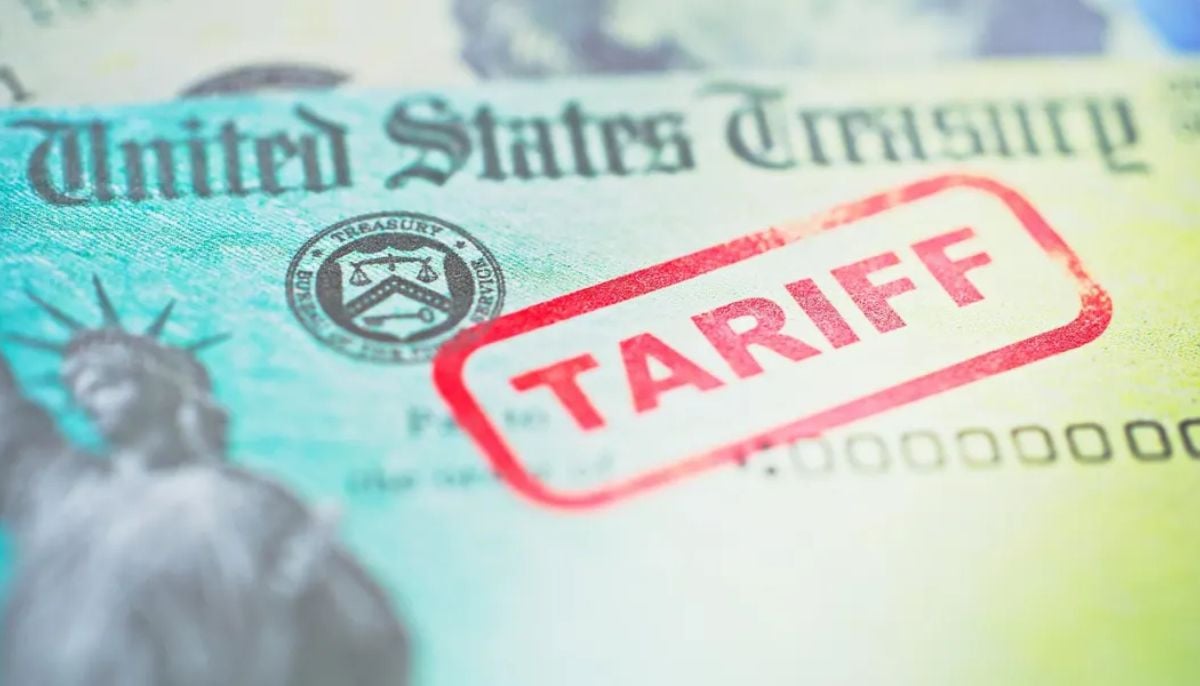
Some US importers are turning to tariff refund claims as loan collateral because companies are waiting to receive billions of payments which are tied to tariffs that were cancelled from the Donald Trump administration.
The business requirement to obtain funds for operation before the scheduled date has become more urgent because the US Supreme Court declared the tariffs unlawful, and $166 billion in refunds remains unpaid.
The tariffs were paid by over 330,000 importers, which resulted in numerous legal disputes and refund requests. The companies used to sell their claims at large price reductions, but now most of them prefer to use the claims as collateral for borrowing.
Orrick partner Raniero D’Aversa said lenders, including banks, hedge funds, and private credit firms, are increasingly willing to finance these claims, allowing companies to retain ownership while accessing liquidity.
These loans typically allow interest to accumulate and be repaid once refunds are issued. While this helps businesses avoid selling claims at reduced value, it also exposes them to high interest costs and uncertainty over repayment timelines.
The Managing Director of Asset Enhancement Solutions Neil Seiden stated that loans need large claims which typically exceed $20 million and have minimum borrowing requirements of $10 million.
Experts estimate that refunds could take at least two years because of appeals and administrative delays and eligibility reviews. The uncertainty of timing creates crucial importance for companies which must choose between selling their claims or using them as collateral to secure loans.
Financial strain will affect borrowers if refund values decrease or experience further delays, while lenders will encounter losses because their collateral will lose value.


-
 Meta and Tesla are set to report earnings next week: What to know
 -
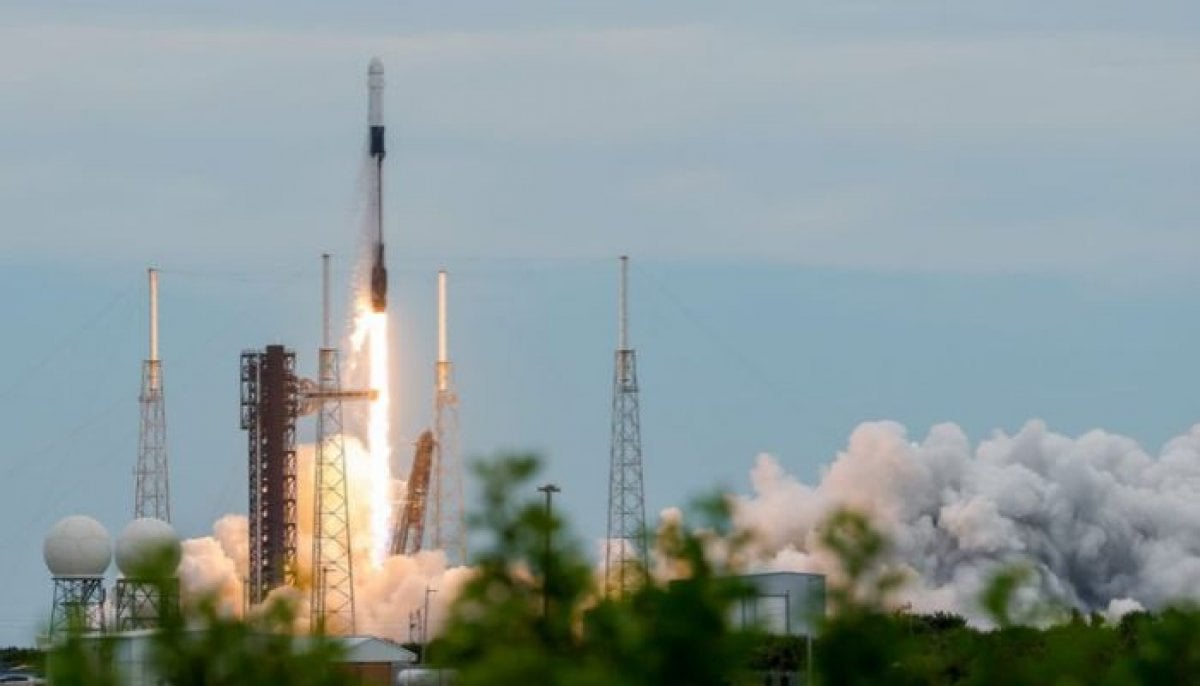 SpaceX sets Q3 2026 earnings release date: What to know
 -
 Hyundai to recall nearly 100,000 US vehicles over fire risk from overheating
 -
 Will Tesla and SpaceX merge? Barclays expects announcement ahead of December meeting
 -
 GSK eyes over 1,200 Belgian job cuts in cost-saving drive
 -
 Netflix slashes 1,000 jobs: What’s behind the cuts?
 -
 Anthropic to reveal new revenue figures as AI financial race heats up
 -
 HSBC to phase out fixed-pay allowances by 2028 in major compensation overhaul
-
 TotalEnergies expands US renewable venture with KKR in $1.2B solar portfolio deal
 -
Australian telecom shares tumble as SpaceX moves closer to direct-to-cell market
-
World Bank in crisis aid talks with dozens of nations amid global shocks
-
Deutsche Bank chief explains why German election results alarm foreign investors