Oil surge tests US airlines, opens door for industry shakeout
Without strong pricing power or fuel hedging, these airlines may be forced to shrink operations
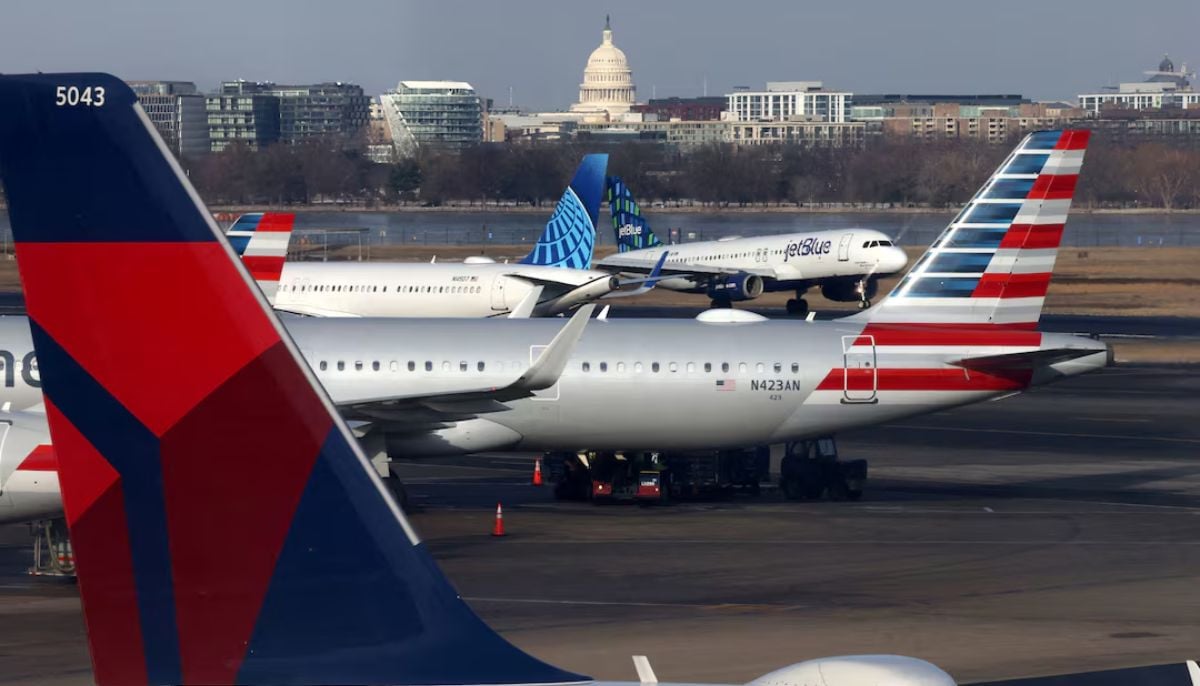
A sharp rise in oil prices is emerging as the first major financial stress test for US airlines since the pandemic, exposing deep divides between stronger carriers and those already under pressure.
United Airlines Chief Executive Scott Kirby wrote a letter to his staff regarding the recent fuel price hike to explain both business dangers and new business possibilities. The elevated prices he described would allow his company to acquire assets and gain from network changes when its competitors experienced difficulties.
The existing economic situation displays a fundamental pattern that exists throughout the entire industry. The airline industry uses fuel to cover about 25 per cent of its operational expenses because airlines sell their tickets in advance, which creates financial risks when ticket prices increase.
The current increase in prices which results from geopolitical conflicts has already affected European and Asian air travel routes and their future predictions.
United prepares itself for an extended period of unexpected events. The airline expects to see two different price scenarios, which include a situation where Brent crude prices reach $175 per barrel and maintain prices above $100 until 2027.
The company expects its annual fuel expenses will increase by approximately $11 billion, which would exceed its previous record annual profit by more than two times.
Lower-cost airlines face greater risk.
The ratings agencies report that budget airlines experience higher risk than other airlines. Credit ratings Agency Moody's states that JetBlue and Spirit Airlines and Frontier Airlines already suffered financial losses before fuel prices increased.
The major airlines, which include Delta Air Lines and United Airlines, show better ability to handle extended operational difficulties than their smaller competitors. The company maintains operational flexibility because it possesses stronger financial resources and better profit margins and a more substantial share of premium income.
American Airlines possesses substantial cash resources, yet it maintains substantial financial obligations which make the company vulnerable to ongoing fuel price increases. The two airlines, Southwest Airlines and Alaska Air Group, implemented fare increases and cost review processes as their methods to decrease financial damage from the situation.
The current situation shows maximum impact on the weakest industry participants. JetBlue expects to experience cash shortages throughout the current year, while Frontier reported financial losses because of its restricted budget.
The company currently undergoing bankruptcy proceedings has declared that a fuel price increase lasting for an extended period will endanger its efforts to rescue its business operations.


-
 Supreme Court rejects Google challenge to patent office review policy: Here's why
 -
 Netflix faces scrutiny over user engagement ahead of Q3 report
 -
 Meta and Tesla are set to report earnings next week: What to know
 -
 SpaceX sets Q3 2026 earnings release date: What to know
 -
 Hyundai to recall nearly 100,000 US vehicles over fire risk from overheating
 -
 Will Tesla and SpaceX merge? Barclays expects announcement ahead of December meeting
 -
 GSK eyes over 1,200 Belgian job cuts in cost-saving drive
 -
 Netflix slashes 1,000 jobs: What’s behind the cuts?
-
 Anthropic to reveal new revenue figures as AI financial race heats up
 -
HSBC to phase out fixed-pay allowances by 2028 in major compensation overhaul
-
TotalEnergies expands US renewable venture with KKR in $1.2B solar portfolio deal
-
Australian telecom shares tumble as SpaceX moves closer to direct-to-cell market