Iran conflict sparks ‘historic’ global energy crisis worse than 1970s oil shocks, warns IEA
On March 11, IEA released 400 million barrels, the largest in history to tackle the energy shocks
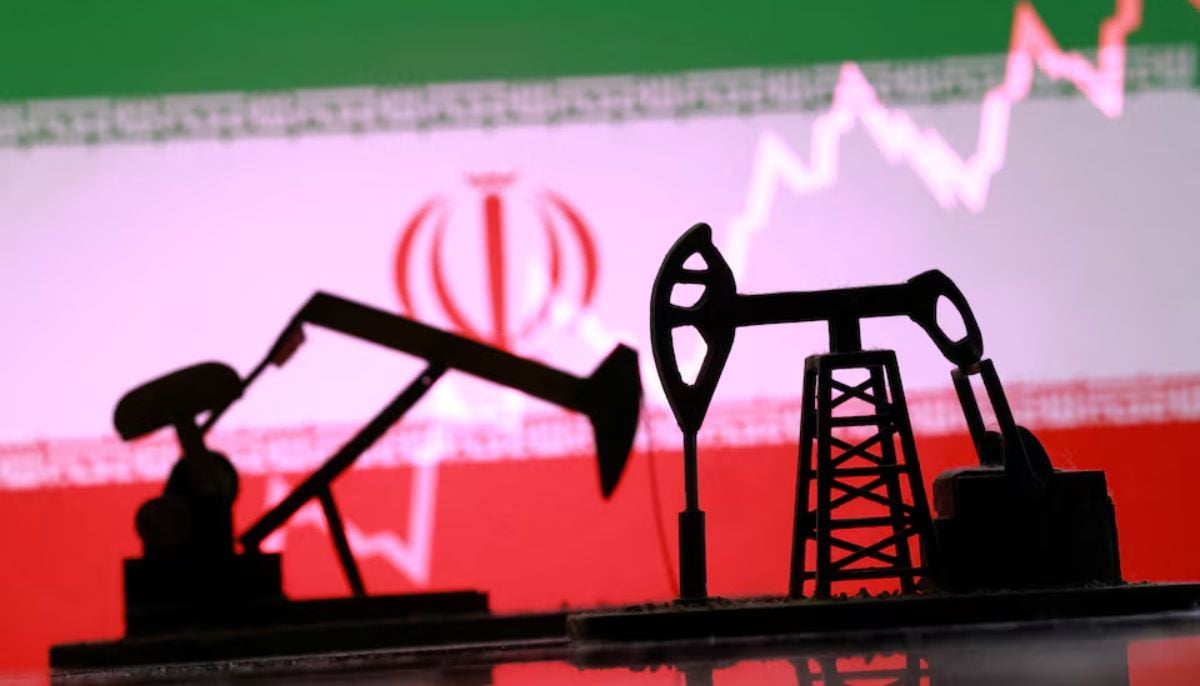
The ongoing war in Iran is set to disrupt a global energy crisis worse than 1970s oil shocks and the fallout of Russian’s invasion of Ukraine, the chief of the International Energy Agency has recently sounded alarm.
According to Fatih Birol, the IEA’s executive director, an unyielding Middle East crisis could push the global economy on a downward trajectory by choking “the vital arteries” such as fertilizers, sulphur, helium, and petrochemicals.
Speaking at the National Press Club of Australia in Canberra on Monday, Birol said the international community has failed to understand the gravity of the energy crisis driven by the US-Israel war on Iran and the persistent closure of Strait of Hormuz.
Birol characterizes this as a "triple crisis"—surpassing the impact of the 1970s oil shocks and the 2022 invasion of Ukraine combined.
Around 20 percent of world oil passes through the Strait of Hormuz. According to the head of IEA, the current crisis drove the loss of 11 million barrels of oil per day and 140 bcm of gas, significantly higher than the 1973, 1979, and 2022 disruptions.
At least 40 energy assets in the Gulf are severely damaged, meaning supply won't recover immediately even if the conflict ends.
Recently, President Donald Trump gave Iran 48-hours ultimatum to open Strait of Hormuz with a warning to target Iran’s energy infrastructure if Tehran fails to comply with the warning.
In response to Trump’s threat, Iran said it would target energy and desalination infrastructure “belonging to the US and the regime in the region.”
The US has criticized NATO, Australia, Japan, and South Korea for a lack of military assistance in the strait.
On March 11, IEA released 400 million barrels, the largest in history to tackle the energy shocks.
Birol said, “If needed, we can put more oil in the markets, both crude oil and products, if it is needed. Our stock release will help to comfort the markets, but this is not the solution. It will only reduce the pain on the economy.”
“I think no country will be immune to the effects of this crisis if it continues to go in this direction, so there is a need for global efforts,” he added.


-
 FBI faces internal criticism after hackers steal sensitive employee data
 -
 Argentina threatens UK with international legal action over Falkland Islands oil exploration
 -
 Trump says ICE can arrest migrants without criminal records
 -
 Tennessee prepares to execute first female inmate in more than two centuries
 -
 Estonia says Russia behind ‘sabotage’ attack on Ukraine defence supplier in Tallinn
 -
 Russia’s corporate crackdown widens with new message to EU businesses
 -
 Ex-special counsel says he would prosecute Trump again based on same evidence
 -
 Trump’s new Canada import bans take effect: Here’s what is affected