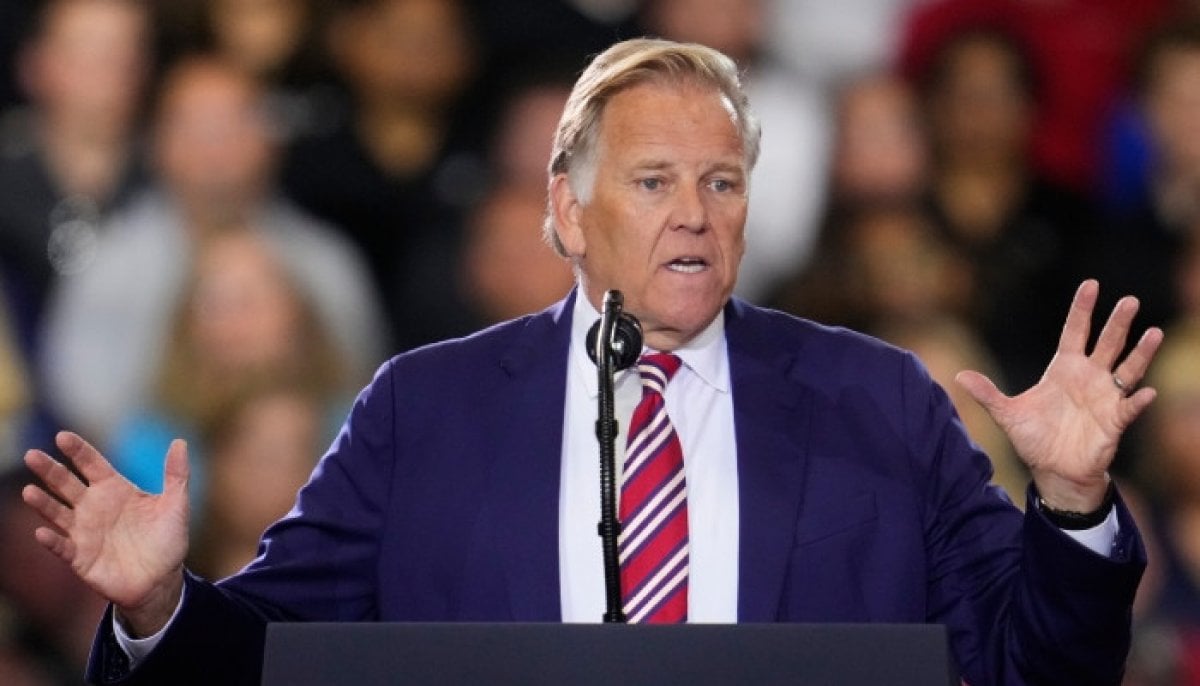
Trump’s tariff plan: 10 percent rate takes effect despite 15 percent announcement following Supreme Court ruling
the US Customs and Border Protection informed importers of major rules in which the 10 percent rate would be applied to every country for 150 days, starting at 12:01 a.m. ET this Tuesday
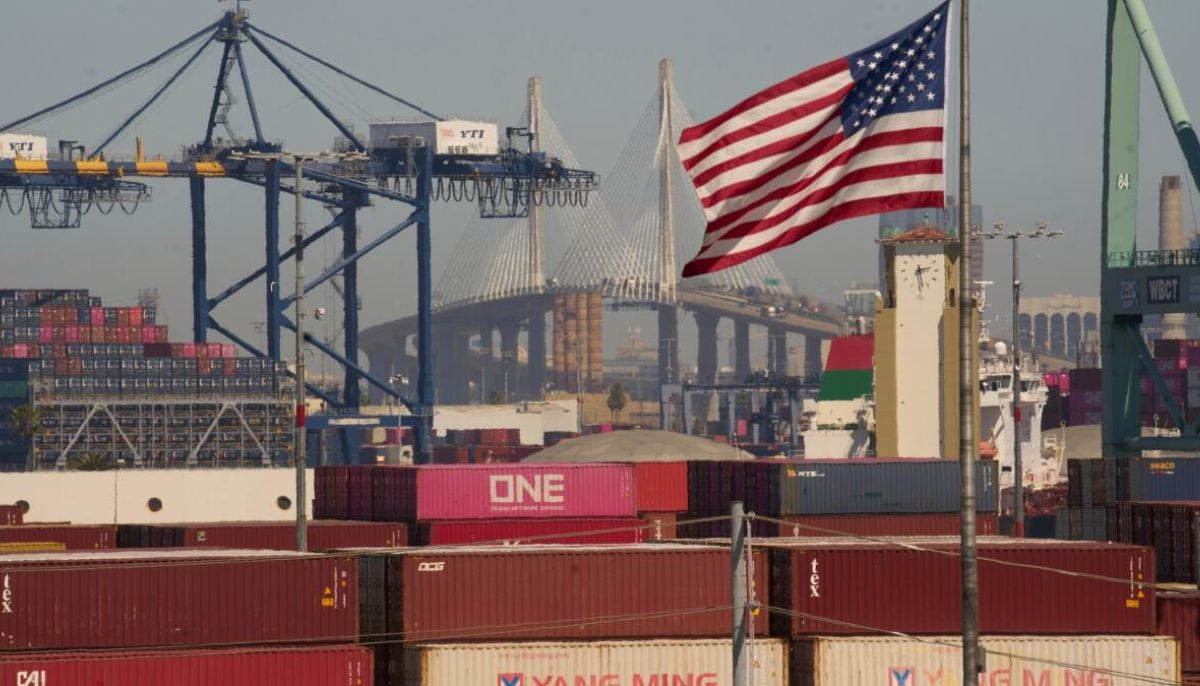
US President Donald Trump’s new global tariffs have been enforced at a 10 percent rate on Tuesday following the Supreme Court ruling in which the court blocked many of his sweeping taxes.
Trump called the Supreme Court decision “ridiculous, poorly written, and extraordinarily anti-American.”
In response to Friday’s landmark ruling, the Trump administration signed a new executive order aiming to impose new levies effective February 24.
One day later, Donald Trump threatened to increase the tariff rates from 10 percent to 15 percent.
The President posted on Truth Social, “he would be raising the 10% Worldwide Tariff ... to the fully allowed, and legally tested, 15% level.”
However, no official steps were taken to increase the tariff rates.
The administration has decided to impose the levy under Section 122 of the 1974 Trade Act, allowing the president to impose the charge for 150 days without congressional approval.
Just before the major new tax on imported goods began, the US Customs and Border Protection informed importers of major rules in which the 10 percent rate would be applied to every country for 150 days, starting at 12:01 a.m. ET this Tuesday.
However, it is possible that some countries would be granted an exception later.
According to the President, these tariffs are necessary to slash America’s trade deficit. Last week, the US trade deficit hit roughly $1.2 trillion.
The US has already collected at least $130bn in tariffs using the 1977 International Emergency Economic Powers Act, as reported by officials.
Responses from countries
On Monday, President Trump intensified his trade rhetoric, threatening to impose “higher tariffs” if countries try to play games with existing trade agreements.
The UK government has clarified that while it does not wish to start a”trade war” the retaliatory measures will not deter it from taking reciprocal actions.
The EU bloc announced that it would suspend the ratification of a trade deal reached over summer, citing a lack of "stability and predictability" as the primary reason for pausing the agreement.
India has decided to defer scheduled negotiations that were intended to finalize a recent trade agreement.
And for some countries, such as China and Brazil, the recently announced baseline is lower than already imposed US tariffs.


-
 Baltimore Ravens acquire Cam Jurgens from Eagles for two draft picks
 -
 Trump threatens to fire his top advisers over reported work for pro-Russian government
 -
 Ukraine accuses Russia of deadly ‘birthday’ attack for Vladimir Putin
 -
 Trump believes Russian 'plague' is unlikely to be 'bioweapon'
 -
 Florida on alert as Tropical Storm Isaias could become season’s first hurricane
 -
 Ken Paxton sounds alarm over Senate bid in leaked audio: ‘It’s the war, it’s gas prices’
 -
 ICE investigated non-profits over alleged ‘illegal alien voter registration’
 -
 US agency weighs easing rules on AI political robocalls to cellphones ahead of election
-
 Christa Pike was stuck with ‘at least seven needles’ during failed execution, lawyers say
 -
Mike Rogers turns against Trump’s Canada tariffs in Michigan Senate race
-
Lindsay Clancy’s ex-husband and new wife make big move as they prepare to welcome baby
-
French lawmakers reject pension tax cuts as national budget review begins