Solar-powered flour mills helping widows earn dignified living
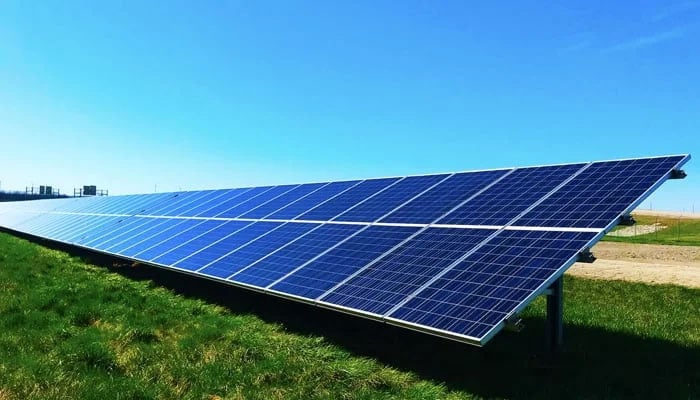
Solar energy and basic technical training are enabling widows and low-income women in Sindh and South Punjab to build small home-based businesses, earn stable incomes, and feed their families without relying on charity.
Under a pilot project supported by an international organisation, women in districts like Badin are running solar-powered chakkis that produce zinc-enriched wheat flour, creating both livelihoods and better nutrition in their communities.
One of them is Jamila, a widowed mother of three from Badin, who struggled for years after losing her husband in a road accident. With no savings and little support, she often skipped meals to feed her daughters. Today her solar-powered flour mill pays for her household’s expenses, her children’s education, and has restored her independence.
“I had nothing left after my husband died,” she said while operating her small chakki. “The solar system and the training by HarvestPlus Solutions gave me the courage to start again. Now I can run my home with dignity.”
Jamila received support through the Expanding Nutrients in Food Systems project of HarvestPlus Solutions, funded by the Canadian government. She was trained in food production, small business management and marketing, and was provided a flour mill equipped with a solar setup. The system slashed her electricity expenses, kept the mill running during outages, and also powered lighting inside her home.
Her mill now produces whole-grain zinc wheat flour at an affordable price, supplying a nutritious staple to families in her village. By selling locally, she has become an example of how renewable energy and basic tools can empower women in rural Sindh.
Pakistan continues to rank low on the Global Gender Gap Index, with millions of women remaining financially dependent due to social restrictions, limited mobility, and lack of access to credit.
Widows, in particular, face severe vulnerability, often depending on relatives for food and shelter, and lacking the resources to earn on their own. Many lose husbands to workplace incidents, diseases, terrorism, and, increasingly, to early heart attacks and strokes.
For such households, a solar-powered chakki offers a practical path to financial stability. A complete setup costs between $3,500 and $5,000. Experts say supporting even 5,000 widows would require a one-time investment of roughly $20 million, but the impact on rural livelihoods, food security and women’s independence would be transformational.
Women in both Sindh and Punjab are now part of the HarvestPlus Solutions pilot. Their small enterprises reduce reliance on diesel generators, cut carbon emissions, and ensure that nutritious food remains accessible to nearby communities.
The solar-powered system also allows them to work from their homes, easing cultural constraints while still contributing to the rural economy. According to M Yaqub Mujahid, country manager at HarvestPlus Solutions, empowering women through clean energy creates lasting benefits. He said that when women gain an income, families eat better, children remain in school, and communities become more resilient. “This is more than a livelihood project. It’s an opportunity for inclusion, dignity and long-term stability.”
Climate change has intensified poverty in parts of Sindh, where rising temperatures, salinity and repeated floods have damaged agriculture and reduced household incomes. Clean energy solutions, combined with training, are helping women withstand these shocks, and earn consistent livelihoods through food production.
Jamila’s success captures this quiet change. Each evening, she shuts down her mill while her daughters study under solar-powered lights. For her, and for many others across Sindh, renewable energy is becoming a symbol of security and hope.



-
 Aurangzeb confirms Saudi Arabia $10bn interest, says B2B shift ongoing
 -
 Pakistan to build artificial island to boost oil exploration
 -
 Special pink bus service launched for women on Green Line route
 -
 Same number plates from other provinces lead to wrong e-challans for Karachiites
 -
 State institutions ‘fail’ to perform constitutional duties: KP CM
 -
 CTD orders psychological testing of police on VVIP security duty
 -
 Navy busts drug consignment valued at $130m
 -
 Three ex-secretaries in race for ETPB chief post