World Diabetes Day: Only 16pc diabetics have controlled blood sugar, warn experts
ISLAMABAD: Only 16 per cent of diagnosed diabetics in Pakistan have controlled blood sugar, a national health emergency driven by untrained physicians, poor lifestyle habits and the absence of local dietary guidance, public health experts and senior physicians said on Friday.
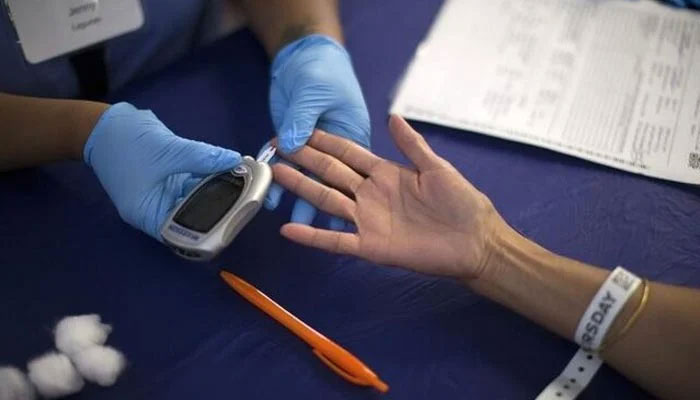
Speaking at an awareness session held in connection with World Diabetes Day 2025 at The Diabetes Centre Islamabad, public health experts said Pakistan now had an estimated 33 million diabetics and one in four people living with diabetes did not even know they had the disease.
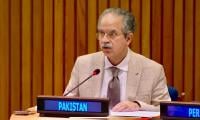
Vice Chancellor of Health Services Academy Prof Shahzad Ali Khan said around 26 per cent of diabetics in Pakistan were undiagnosed, while those who knew they had the condition continue to face poor outcomes. “Only 16 per cent of patients manage to maintain controlled blood sugar with medication and lifestyle changes.”
He said people as young as 25 to 30 years of age were now developing chronic diabetes in the country and losing their vision, kidney function and heart health at a young age due to uncontrolled disease. He said diabetes was the leading cause of blindness in Pakistan.
The vice chancellor said general physicians across the country were not trained to manage diabetes according to international guidelines, which was why heart failure, end stage kidney disease and other complications were sharply rising. He said the future looked bleak if urgent action was not taken, adding doctors often did not guide patients on culturally appropriate diets, while western food charts did not work in Pakistan.
He urged the government and health institutions to promote a local food culture that was both healthy and appealing. “Pakistanis must stop destroying their health in search of ‘so called taste’ and begin replacing bakery products, fried carbohydrates and sugary snacks with colourful fruits, salads and low carbohydrate meals that look attractive and are easy to prepare.”
Prof Khan said young people should be involved in awareness drives and health promotion should be made glamorous using the same marketing techniques used by beverage companies to influence youth.
“Junk food is heavily taxed or banned in many developed countries, while Pakistan continues to face rising disease burden with little regulation,” he said, adding: “The quality of diabetes care remains poor because communication between doctors and patients is weak”.
In many cities, barely 5 to 6 per cent of diabetics had controlled blood sugar in previous years and added the Health Services Academy was working with 3,000 students nationwide to improve health communication and create a new generation of health-aware citizens.
The Ministry of National Health Services also organised a week-long programme of activities in Islamabad to mark World Diabetes Day. Activities began with a symbolic walk at F 9 Park followed by free screening camps, public information desks, youth advocacy sessions, campus awareness stations and social media testimonial recordings.
The main event on Friday featured speeches by the health minister, secretary and director general Health and representatives of the World Health Organisation.
In a separate event, the Capital Hospital Islamabad held a seminar on World Diabetes Day under the guidance of Executive Director Prof Naeem Taj. The session was led by Head of Diabetes Department Dr Sarwar Malik and attended by Chief Commissioner and Chairman CDA Muhammad Ali Randhawa, who distributed shields to the high performing doctors.
Speaking as chief guest, he said the diabetes department of the Capital Hospital will be expanded and assured full support for improving services. A new skin surgery unit and neurology medicine unit were also inaugurated on the occasion.
Prof Naeem Taj said the Capital Hospital was the first government hospital in Islamabad to establish a skin surgical treatment unit. The event was attended by Director Admin Dr Sartaj Ali, Head of Medicine Dr Farhan Ali, Gynaecologist Dr Sheeba, Neurologist Dr Waleed Iqbal, Cardiologist Dr Abid Saeed, diabetes specialist Dr Hina, Nursing Superintendent Samina Ilyas Raja and a large number of doctors, nurses and civil society representatives.



-
 Aurangzeb confirms Saudi Arabia $10bn interest, says B2B shift ongoing
 -
 Pakistan to build artificial island to boost oil exploration
 -
 Special pink bus service launched for women on Green Line route
 -
 Same number plates from other provinces lead to wrong e-challans for Karachiites
 -
 State institutions ‘fail’ to perform constitutional duties: KP CM
 -
 CTD orders psychological testing of police on VVIP security duty
 -
 Navy busts drug consignment valued at $130m
 -
 Three ex-secretaries in race for ETPB chief post