‘Population growth in Pakistan can incur severe repercussions’
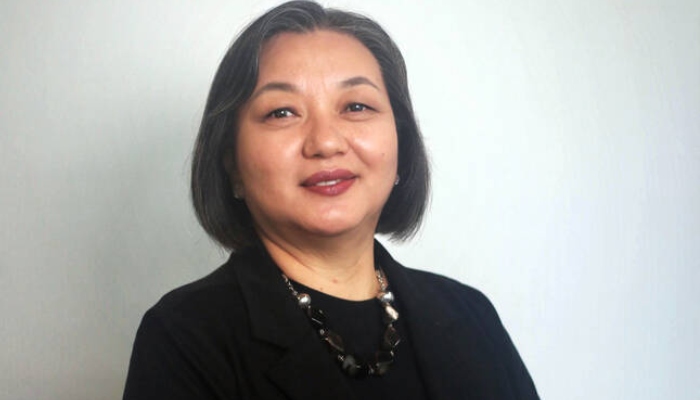
Islamabad : Dr Bolormaa Amgabazar, the World Bank Country Director, has said that Pakistan’s population growth is the highest among many nations of the world that can incur severe repercussions for the country in future amidst rising population and thinning natural resources.
Dr Amgabazar was speaking at the concluding plenary on ‘Financing Sustainable Development in the emerging world dis/order’ held as part of 28th Sustainable Development Conference hosted by Sustainable Development Policy Institute (SDPI) her at Allama Iqbal Open University.
Dr Amgabazar said that Pakistan’s climate and disaster vulnerability is flagrantly high along with rising air and water pollution. However, she added.
Dr Abid Qaiyum Sulri, Executive Director, SDPI, said the conference blended multiple themes from regional connectivity to global tariffs, living wage to climate resilience, disaster risk reduction to subregional cooperation that convened regional and international experts from around 23 countries, including South Asian countries and beyond.
Samuel Rizk, Resident Representative, UNDP, said the world is witnessing transformative phase where financing became more appropriate and critical for ensuring sustainable development. He noted that the government is the biggest source of financing for sustainable development chipped in by multilateral development entities and private sector together.
Mahir Binici, Country Representative, International Monetary Fund (IMF), said that Pakistan’s newly approved $1.4 billion arrangement under the Resilience and Sustainability Facility (RSF) will play a vital role in strengthening the country’s economic resilience and capacity to withstand environmental shocks.
The initiative is aimed at integrating climate considerations into Pakistan’s public financial management and fostering long-term sustainable growth, he said adding that the RSF is operating in parallel with Pakistan’s ongoing Extended Fund Facility (EFF), a three-year structural reform programme running until 2027.
Jason Avanceña, Chief Executive Officer & Managing Director, Nestlé Pakistan, said the country needs to invest in technologies ensuring clean energy access, efficiency and resource management in production lines. Pakistan, he said, needs enhanced collaboration between private sector for shared learning and growth with a core emphasis on reforms in the existing systems and frameworks.
Earlier, speaking at a policy dialogue, Zafar Masud, CEO, Bank of Punjab, said Pakistan needs to move quickly but carefully towards digital currencies and virtual assets to avoid falling behind the global financial race, warning that regulatory ambiguity, cyber risks and energy shortages could slow progress.
Faisal Mazhar, Deputy Director of Payments at the SBP, declined to say whether the bank considers cryptocurrency legal but confirmed that we are working on the digital currency since 2022.
The current currency and payment mechanism is very fast. We are engaged with the World Bank to help us in capacity building on this subject. The IMF is also supporting through a technical assistance programme, he said.
Ali Farid Khawaja, Chaiperson, K-Trade, said global political shifts could affect digital assets. “Right now, when Trump is taking too much interest in crypto and we relied on him, then what will be next if he leaves?” he asked.


-
 Aurangzeb confirms Saudi Arabia $10bn interest, says B2B shift ongoing
 -
 Pakistan to build artificial island to boost oil exploration
 -
 Special pink bus service launched for women on Green Line route
 -
 Same number plates from other provinces lead to wrong e-challans for Karachiites
 -
 State institutions ‘fail’ to perform constitutional duties: KP CM
 -
 CTD orders psychological testing of police on VVIP security duty
 -
 Navy busts drug consignment valued at $130m
 -
 Three ex-secretaries in race for ETPB chief post