The forsaken ones
This is the story of a state with a modern, clean and green capital city. It is bedecked with sprawling houses and gleaming towers. The (would be) ruler resides in a lavish residence atop a grassy knoll. The fairytale setting is one of detached superiority. It could well have been the power centre of a cohesive and thriving nation.
In reality, this symphony of serenity and prosperity is a meticulously crafted one. The shimmering exterior masks a deeply fractured and mauled interior. The facade conceals a dark and dank room ever-starved of sunlight. This is the murky abode of the people of this land: the forsaken ones.
As if the key to national amity and prosperity lies in foreign capitals, the designer-wear-clad rulers strut endlessly around the globe. They deliver heart-touching speeches championing the cause of the downtrodden. Back home, a patronised lot gushes at their hogging the limelight. Flattering analyses dutifully follow.
The state has an eerie ability to cultivate two poles-apart parallels. The burnished one, presented to the international community, flaunts itself as a beacon of progress and stability. It also projects itself as an able and loyal partner towards achieving geo-strategic ends.
The tarnished reality is borne by the forsaken ones. It is one of a dream gone awry; a land with decaying infrastructure, broken promises, more utopias and simmering discontent. For them, the flaunted ascendancy of the state’s image in alien lands is nothing more than an illusion intended to mask the woes of their forsaken lives.
Strong foreign relations are an extension of a vibrant and stable domestic entity. To showcase it as a substitute for it is a fallacy. Frenzied manoeuvring in foreign capitals, see the rulers cajoled incessantly. Back in their fiefdom, the forsaken ones endure a relentless cycle of political instability and excruciating impoverishment.
This multitude is controlled by an insidious and lethal concoction of autocratic legalism by way of self-serving legislation, manipulation of the constitution and judicial capture. For the forsaken ones, life’s reality stands in stark contrast to the regime’s ad nauseam pronouncements of prosperity and stability.
State-owned enterprises, otherwise engines of growth, have been ruthlessly run to the ground. The only remedy, the multitude is told, is to get rid of them. Aids and grants, courtesy of the regime’s patrons, are channelled into self-aggrandising projects. These self-glorifying edifices never alleviate the agonising miseries of the forsaken ones.
The fallout of an ever-stagnant economy has left millions of young people, an entire generation, with their aspirations crushed by a system of overwhelming disparity. In desperation, they are forced to leave their loved ones behind and go to foreign lands.
Masters at flippancy, this exodus too is extolled. The state has the temerity to cover up its failings by hailing them as ambassadors of national prosperity. This is because their remittances are the lifeline that consolidates the state’s power over the forsaken ones.
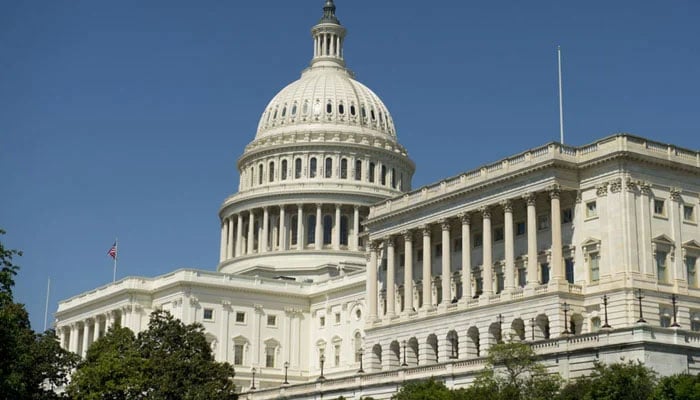
It is a fact that in the complex world of geopolitics, self-interests reign supreme. However, Washington, with its history of transient and transactional relationships across continents and decades, has overshot this paradigm repeatedly.
It has a documented record of betraying and bullying its allies and sacrificing their future for its own geopolitical advantage. It has also left a trail of abandoned partners. Led to believe that Washington’s embrace signified progress and protection, it proved otherwise.
Self-interest has led the state, despite being let down time and again, to remain hopelessly smitten with Washington. It clings to the belief that this time around, its painstakingly contrived bonhomie shall endure. A well-trodden path, it has always wrought ruin.
Initiated as an alliance, the convoluted nexus has always morphed into the state being relegated to a servile entity. Its wish list has always remained subordinated to Washington’s priorities, including its proxy wars. The cumulative effect has resulted in destitution and the creation of a fertile ground for extremism and terrorism.
Given its own security and economic interests, Washington is prone to propping up and supporting authoritarian regimes. This is because it is averse to engaging with the processes of a people-centric democratic system.
An authoritarian entity offers a one-window access that bypasses parliamentary and institutional oversight. This comes at the expense of sovereignty, political stability, health of state institutions, sustainable development and social welfare. It is a witch’s brew leading to resentment and ruin.
The one-window ease also extends to economic and resource interests. Autocratic governments offer access to natural resources and lucrative trade deals. They create unanimity with Washington’s exploitive interests, sans public oversight or accountability.
Such regimes, when granted validity with international accolades, see no incentive in working towards public welfare or political reform. Their gloating about diplomatic accomplishments and the miseries of the forsaken ones are inextricably linked; they are two sides of the same coin.
Those who scorn the lessons of the past are prone to making the same mistakes again. An ever-steeper price too has to be paid. Tragically, it is always with the blood and misery of the forsaken ones. This stark paradox of unyielding contradictions remains the story of Pakistan.
The writer is a freelance contributor. He can be reached at: miradnanaziz@gmail.com