Medicine prices under control after deregulation: Mustafa Kamal
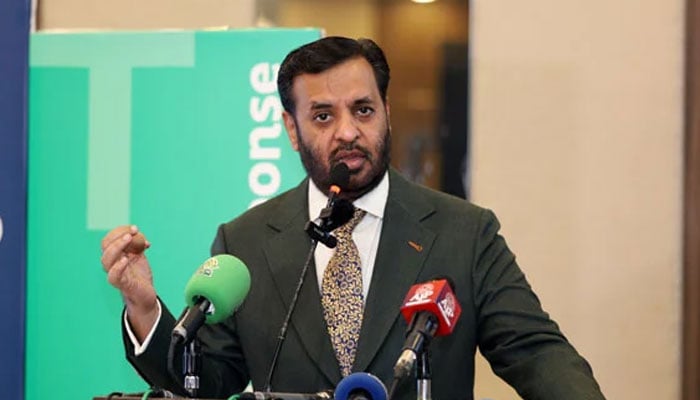
ISLAMABAD: Federal Health Minister Syed Mustafa Kamal said on Wednesday that medicine prices are under control despite deregulation and stressed that no increase should burden the public under any circumstances.
Speaking to the media after a meeting of the Senate Standing Committee on Health at Parliament House, Kamal stated that a detailed report had been shared with the prime minister, based on inflation and market data, but the government would not allow medicines to become unaffordable for the low- and middle-income families. He said deregulation was intended to improve availability and end shortages, not to push essential treatment beyond the reach of patients.
Officials from the Ministry of National Health Services and the Drug Regulatory Authority of Pakistan earlier told the Senate Standing Committee on Health that a market survey ordered by the prime minister had found over a 32 percent rise in medicine prices since February 2024, when non-essential medicines were deregulated. The briefing was held in camera, and journalists were not allowed, but committee members confirmed that an independent reviewer examined 100 commonly used medicines and detected an overall increase of nearly one-third over the last twenty months.
The health minister said he agreed with the committee’s view that the public must not bear the burden of any price rises. He added that the health ministry was monitoring the situation closely and would intervene if the industry tried to exploit deregulation at the expense of patients.
The meeting, chaired by Senator Amir Waliuddin Chishti, also discussed polio vaccination, pricing reforms, and the performance of health regulatory bodies. Members raised concerns over weak action against quacks and said stronger, more timely regulatory steps were needed to protect patients. The licensing of hospitals, digital initiatives of the Islamabad Healthcare Regulatory Authority, and its budget were also reviewed.
On the HPV vaccination campaign against cervical cancer, Kamal said social media propaganda had caused confusion among parents. To restore confidence, he publicly vaccinated his own daughter and encouraged parliamentarians to do the same to promote routine immunisation. He urged elected representatives to back vaccination campaigns, support regulatory reforms, and help strengthen the health system to ensure safe, quality healthcare.
Earlier, the committee recommended that the public interest must remain central to medicine pricing decisions. Senator Amir Waliuddin Chishti said that while investor confidence and a fair business margin for pharmaceutical companies were important, essential medicines should remain affordable.
He said wage increases and production costs must be justified and called for a review of the hardship committee, the Standing Committee on Research, and ongoing research activities to improve transparency in the pricing process. The committee also examined the Drug Regulatory Authority of Pakistan Amendment Bill 2025. Senator Dr Zarqa Suharwardy Taimur expressed support for the committee’s work and said she would align with its recommendations. Kamal cautioned that sudden or sweeping amendments could disrupt the pharmaceutical sector.
Senator Amir Waliuddin Chishti said the proposed changes would have nationwide implications and called for a balanced approach. The minister said the ministry would present a comprehensive way forward in consultation with all stakeholders, including the incoming government.
On polio, Senator Masroor Ahsan questioned why the virus persists despite repeated vaccination drives. Kamal said poor sanitation, contaminated water, and sewage were the main reasons for continued virus circulation in Karachi, Lahore, and southern Khyber Pakhtunkhwa. He said vaccination alone cannot eliminate polio without improving environmental conditions. Senator Amir Waliuddin Chishti said eradication required collective responsibility at the grassroots level and accountability from elected representatives and local governments.



-
 Aurangzeb confirms Saudi Arabia $10bn interest, says B2B shift ongoing
 -
 Pakistan to build artificial island to boost oil exploration
 -
 Special pink bus service launched for women on Green Line route
 -
 Same number plates from other provinces lead to wrong e-challans for Karachiites
 -
 State institutions ‘fail’ to perform constitutional duties: KP CM
 -
 CTD orders psychological testing of police on VVIP security duty
 -
 Navy busts drug consignment valued at $130m
 -
 Three ex-secretaries in race for ETPB chief post