[Comment] E-challan system in Karachi: A digital step with real-world challenges
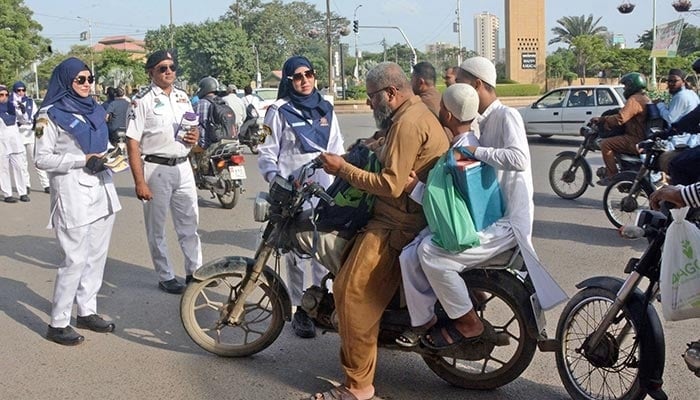
When Karachi’s traffic police launched the electronic challan (e-challan) system, it was welcomed as a long-awaited move toward smarter city management. Cameras installed across key intersections would automatically detect violations and issue fines — a step meant to bring order to the city’s unruly traffic. Yet, years after its introduction, the system exposes the familiar gap between vision and execution.
The e-challan initiative was supposed to minimize corruption and human discretion. Instead of being stopped by a traffic officer, violators would receive fines directly through a digital database. In principle, it was a sound idea: automation, transparency, and efficiency. But in practice, citizens have encountered persistent problems that undermine its purpose.
One of the most common complaints is incorrect challans. Many vehicle owners receive fines for cars they sold long ago, a result of outdated data in the Sindh Excise and Taxation Department’s records. Because the e-challan system relies on those records, any inaccuracy automatically leads to wrongful fines. To resolve them, owners often have to visit traffic offices in person — turning a digital solution into another bureaucratic hassle.
Another major issue is poor public awareness. Few motorists know how to check or pay their fines online, or even that an e-challan system exists. While mobile payment portals have been launched, they remain poorly advertised and difficult to navigate. Many only discover pending challans when they renew their vehicle registration or driving licence. Without clear communication, the system risks alienating the very citizens it hopes to engage.
Transparency is another missing element. Most drivers have no easy way to see the photographic evidence behind their challans. With no verification process, people either pay unquestioningly or spend hours trying to contest fines. In a system that depends on technology, trust is built through visibility — something Karachi’s model still lacks.
Then comes the question of infrastructure and access. Cameras frequently malfunction because of power outages, poor maintenance, or harsh weather conditions, creating unreliable data. Meanwhile, many low-income citizens who depend on motorcycles or rickshaws lack digital literacy or online payment options. For them, the e-challan feels less like modernization and more like exclusion.
These flaws do not mean the concept is without merit. Digitizing traffic enforcement can improve accountability and reduce street-level corruption. But the current approach highlights how technology cannot compensate for weak governance. Without accurate databases, consistent maintenance, and user education, even the best systems fail to deliver.
There are practical ways forward. The traffic police and excise department must synchronize their databases to eliminate false challans. Public awareness campaigns — through radio, television, and social media — should explain how to verify and pay fines. Citizens should have the right to view photo or video evidence of violations. And a responsive complaint mechanism must be established for resolving disputes quickly.
Karachi’s e-challan project reflects a broader truth about digital governance in Pakistan: progress depends less on new technology and more on how fairly and transparently it is used. Until accuracy, accountability, and citizen convenience become priorities, the system will remain another example of a good idea trapped in poor execution. Only when digital enforcement serves the public — not the other way around — will Karachi’s roads begin to reflect real change.
The writer is a Karachi-based researcher and commentator focusing on governance and urban policy.


![[Comment] E-challan system in Karachi: A digital step with real-world challenges](https://www.thenews.com.pk/assets/uploads/updates/2025-11-05/s_1355778_072716_updates.jpg)
-
 Aurangzeb confirms Saudi Arabia $10bn interest, says B2B shift ongoing
 -
 Pakistan to build artificial island to boost oil exploration
 -
 Special pink bus service launched for women on Green Line route
 -
 Same number plates from other provinces lead to wrong e-challans for Karachiites
 -
 State institutions ‘fail’ to perform constitutional duties: KP CM
 -
 CTD orders psychological testing of police on VVIP security duty
 -
 Navy busts drug consignment valued at $130m
 -
 Three ex-secretaries in race for ETPB chief post