Govt spending Rs1,156bn on health but hardly 10pc citizens satisfied: Kamal
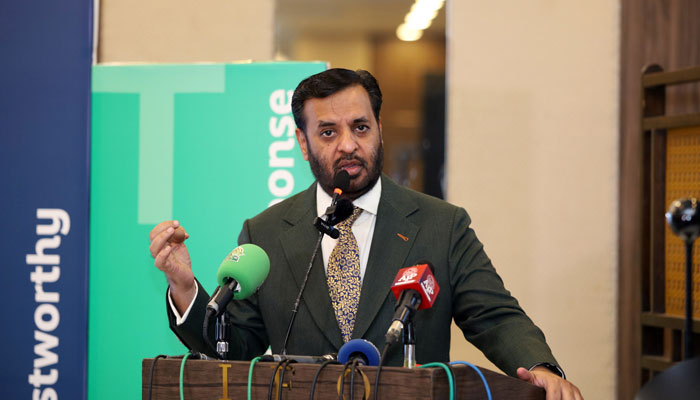
ISLAMABAD: Calling for a national health insurance scheme, Federal Health Minister Syed Mustafa Kamal said on Monday that the federal and provincial governments were spending around Rs 1,156 billion annually on health, yet barely 10 per cent of the population was satisfied with the services offered at public sector health facilities across the country.
“By spending between Rs210 billion or a maximum of Rs400 billion annually on a universal health insurance programme, more than 90 per cent of Pakistan’s population could receive free healthcare, covering almost all treatments except organ transplants,” he said while speaking at the Multistakeholder Technical Workshop on Strengthening Pharmacovigilance Systems in Islamabad.
Calling for health promotion and disease prevention, he said a major shift in strategy was required to improve health outcomes. He added that even developed countries were struggling to provide treatment to their populations and were moving towards prevention by promoting “lifestyle medicine”, where no medicine is involved.
“We can provide quality healthcare to the entire nation through insurance and by engaging public and private hospitals. This will reduce the burden on government hospitals and enhance access to treatment,” he said, urging doctors and health workers to serve patients with honesty, empathy and compassion.
Kamal announced that a modern Health Complaint Management System was being set up at the National Institute of Health (NIH), including a four-digit helpline that will receive citizens’ health-related complaints and ensure they are addressed by the relevant authorities without delay.
He expressed deep concern over Pakistan’s rising dependence on imported vaccines, stating that the country currently spends 500 million dollars per year on vaccine procurement, which could reach one billion dollars annually in the coming years. “We are knocking on every door to secure technology and start local production of vaccines and biologicals to strengthen Pakistan’s health sovereignty,” he said.
The minister said Pakistan’s health system remained treatment-focused rather than preventive, which he termed unsustainable. He said even rich and developed countries could not treat every patient with medicines and equipment alone, which was why the world was moving toward lifestyle medicine and prevention.
“When I visit a public hospital, it feels like a large public gathering or jalsa is taking place. Hospitals are overcrowded because people fall sick due to avoidable reasons. True healthcare begins outside hospitals,” he said.
Kamal cautioned that Pakistan lagged far behind global health trends and risked remaining stuck in outdated debates. “The world is on track to overcome cancer in the next decade. We, on the other hand, are still arguing whether vaccines are permissible or not,” he remarked, urging a national reset toward scientific thinking and preventive care.



-
 Aurangzeb confirms Saudi Arabia $10bn interest, says B2B shift ongoing
 -
 Pakistan to build artificial island to boost oil exploration
 -
 Special pink bus service launched for women on Green Line route
 -
 Same number plates from other provinces lead to wrong e-challans for Karachiites
 -
 State institutions ‘fail’ to perform constitutional duties: KP CM
 -
 CTD orders psychological testing of police on VVIP security duty
 -
 Navy busts drug consignment valued at $130m
 -
 Three ex-secretaries in race for ETPB chief post