Digital discipline on Karachi’s roads: A step toward accountability and reform
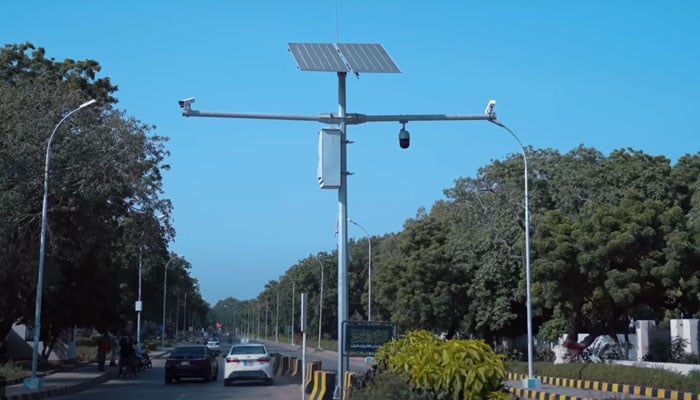
The Sindh government and Sindh Police’s introduction of the electronic penalty system for traffic violations in Karachi marks a decisive step toward modern governance and civic accountability. While some citizens have voiced concerns over the size of fines, this reform deserves recognition for what it truly is—a forward-looking initiative that promises transparency, efficiency, and a more disciplined road culture in Pakistan’s largest city.
For years, Karachi’s traffic enforcement has been hampered by manual systems that left room for corruption, inconsistency, and arbitrary decision-making. The new digital system fundamentally changes that dynamic. With e-challans issued through cameras and automated data systems, there is little room left for on-spot negotiation or misuse of authority. Every violation is recorded, documented, and traceable. By removing the cash element between citizens and officers, the Sindh Police have taken a major step toward eliminating one of the most visible forms of petty corruption in urban governance.
Equally significant is the boost in efficiency this system brings. In a megacity like Karachi, where millions of vehicles move daily, it is impossible for traffic officers to monitor every violation manually. Automated surveillance using smart cameras and plate recognition ensures fair and uniform enforcement, without bias or personal discretion. It ensures that everyone—from a motorcyclist to a luxury car owner—is equally accountable to the same law. This is the kind of equitable enforcement that Karachi has long needed. Critics argue that the penalties are too high, but the principle of deterrence lies at the heart of any successful traffic system. Meaningful fines are not designed to burden the public—they are designed to change behaviour. When motorists understand that violations carry certain and unavoidable consequences, compliance naturally increases. Cities such as Dubai, Singapore, and Kuala Lumpur all achieved road discipline not through leniency, but through consistent, automated enforcement. Karachi’s digital system signals that same determination.
Moreover, this initiative aligns with the Sindh government’s broader commitment to improving urban infrastructure and mobility. Over the past few years, the province has undertaken a series of major projects to modernize Karachi’s road network and public transport system. The reconstruction and beautification of Shahrah-e-Bhutto, the completion of new bridges and underpasses across key intersections, and the successful operation of People’s Bus Service, including the Red and Pink Line routes, all point toward a government investing in sustainable and inclusive mobility solutions. The revenue generated from e-challans can further strengthen this momentum—funding the maintenance of roads, upgrading of signals, and expansion of smart traffic management systems. Seen in this context, the electronic penalty system is not an isolated reform but part of a larger vision for a more efficient, transparent, and livable Karachi. It complements infrastructure development by addressing the behavioural and administrative gaps that have long plagued the city’s traffic management. Yes, no system is perfect at its inception. Implementation will require constant monitoring, fair adjudication of appeals, and public awareness campaigns to ensure citizens understand both their rights and responsibilities. But perfection should not become the enemy of progress.
The digital enforcement model is a bold acknowledgment that Karachi must move from informal habits to formal governance— where rules are enforced not selectively, but systematically. Ultimately, this reform is not about punishing citizens—it’s about protecting them. By reducing corruption, promoting discipline, and generating resources for civic improvement, the Sindh government has laid the groundwork for a more orderly and modern Karachi. Karachi’s transformation will not happen overnight, but steps like these show that the journey has truly begun.
The author is the Spokesperson for the Government of Sindh.



-
 Aurangzeb confirms Saudi Arabia $10bn interest, says B2B shift ongoing
 -
 Pakistan to build artificial island to boost oil exploration
 -
 Special pink bus service launched for women on Green Line route
 -
 Same number plates from other provinces lead to wrong e-challans for Karachiites
 -
 State institutions ‘fail’ to perform constitutional duties: KP CM
 -
 CTD orders psychological testing of police on VVIP security duty
 -
 Navy busts drug consignment valued at $130m
 -
 Three ex-secretaries in race for ETPB chief post