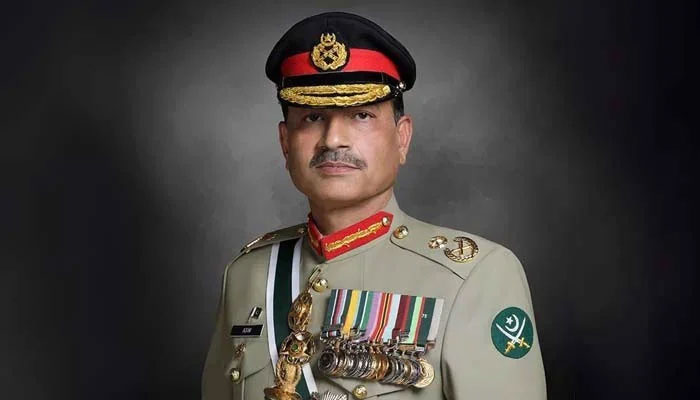
Something extraordinary is happening in Pakistan, and at the centre of it stands COAS Field Marshal Asim Munir, a steady, disciplined figure steering the nation through its most defining transition in decades.
Alongside Prime Minister Shehbaz Sharif, he is guiding Pakistan away from a culture of chaos and confrontation towards clarity, confidence and a pragmatic new direction. This quiet revolution is not about abandoning ideology; it is about aligning ideals with reality, choosing national interest over rhetoric, action over anger and substance over slogans.
For far too long, Pakistan’s politics have been dominated by emotion rather than reason, by reflex rather than reflection. Populism and polarisation eroded governance, weakened institutions and drove the economy toward dependency. The result was a cycle of financial crisis, bailouts, political instability and a reputation for unpredictability.
The leadership now recognises that no nation can progress when its energy is consumed by internal discord and ideological rigidity. The world rewards stability, consistency and cooperation. Pakistan’s pivot towards pragmatism reflects the maturity of a state finally ready to compete on those terms.
This strategic shift is not an accident; it is the product of necessity, vision and resolve. The country’s leadership has understood that true sovereignty is not defined by defiance but by self-reliance – and self-reliance is only possible when the state is secure, stable and economically integrated with the world.
The field marshal’s approach to internal stability embodies this new realism. Operation Azm-e-Istehkam, his signature initiative, is a comprehensive effort to uproot the ideological, financial and organisational networks that feed extremism. The systematic dismantling of militant outfits and the curbing of hate speech mark a decisive break from the culture of appeasement that once paralysed the state. These actions are strategic investments in Pakistan’s long-term stability and global credibility.
Prime Minister Shehbaz Sharif’s parallel focus on diplomacy and economic engagement complements this domestic consolidation.
Pakistan’s readiness to participate constructively in regional peace frameworks and economic partnerships signals a new and confident posture. This pragmatic reorientation is a game-changer because it resets Pakistan’s identity from a reactive nation to a proactive one. It shows that we can uphold our moral and religious commitments, including the cause of the Palestinian people, while still embracing economic interdependence, trade and dialogue. It acknowledges that strength in today’s world lies in engagement, not estrangement.
The results of this evolving strategy are already visible. International investors are once again expressing cautious optimism. Relations with the Gulf States and key Western partners have entered a more constructive phase. The narrative of a 'troubled Pakistan' is gradually giving way to one of a resilient state reclaiming its agency. This is how nations break free from the dependency cycle not through charity or loans, but by earning credibility and fostering confidence.
For this transformation to take root, the nation’s opinion-makers, scholars, business community and media must act as catalysts, not critics. This is not the time for habitual cynicism or sterile debate. The reflex to oppose everything simply because it sounds new or comes from the establishment must end. It is time for the national discourse to shift from blame to belief, from chaos to collaboration.
The same applies to our political class. The future demands cooperation, not confrontation. Pakistan cannot afford another cycle of political brinkmanship that derails reform and divides the nation. Those who claim to speak for the people must show they can also think for the nation. The state’s resolve to restore order, discipline, and purpose must now be matched by society’s will to move forward. The leadership has extended a roadmap; it is up to the rest of us to walk it. Every influencer, journalist, policymaker and educator has a role to play in shaping this narrative of renewal.
History rarely offers second chances. Pakistan has now a chance to move from dependency to dignity, from survival to success.
The global environment is shifting, and Pakistan must seize its place within it with confidence, not hesitation. The transformation underway is gradual but profound: a nation reclaiming its stability, its sovereignty and its self-respect. Pakistan’s quiet revolution has begun.
The writer is a former global corporate executive (Unilever, PepsiCo, Yum! Brands), a mental health advocate and a founding board member of Taskeen, a pioneering organisation focused on emotional well-being in Pakistan.