Brain drain as over 80pc specialists move abroad
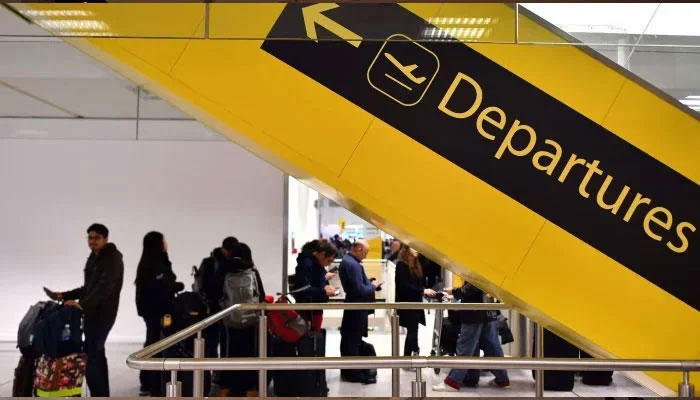
Islamabad:Pakistan is facing a critical shortage of emergency medicine specialists with nearly 50 of the country’s 60 trained consultants now serving abroad as this brain drain cripples emergency rooms and leaves millions without timely life-saving care in trauma, cardiac and stroke emergencies
The warning came on Wednesday during the Emergency Medicine Conference at a renowned private hospital, where leading experts said low salaries, lack of private practice opportunities, and poor working conditions were forcing trained doctors to leave the country.
Speakers, including Dr Rizwan Naseer from Punjab’s Emergency Services Department, Prof Mohammad Shoaib Shafi from CPSP, and Dr Saleh Fares Al-Ali, President of the International Federation for Emergency Medicine, called for stronger integration of emergency medical services into Pakistan’s national health and disaster frameworks.
Sessions on the first day of the conference discussed chest pain management, massive haemorrhage response, paediatric sepsis, climate-related health threats to children, and legal documentation in emergency medicine.
“Pakistani institutions spend years and millions training emergency medicine consultants, but most leave because they are underpaid and undervalued,” said Dr Khawaja Junaid Mustafa. “In Europe and the Middle East, they earn 10 to 20 times more. Here, they can’t even practice privately like other specialists, so it’s no surprise they leave.”
He said the exodus of trained doctors is a major reason for the declining quality of emergency care in Pakistan’s hospitals. Dr Mustafa also announced that Shifa would soon launch a 5G-enabled ambulance service, allowing real-time communication and patient data transfer from the field to the hospital -- a first in Pakistan.
Dr Abdus Salam Khan said Pakistan’s public emergency departments urgently need a proper triage system to ensure that the most serious patients are treated first. “People who make noise or use connections get treated first, while someone with a real emergency may die waiting or be neglected,” he said. “Public awareness is crucial as people must learn to trust the triage process.”
He said road accidents causing head and chest injuries remain the most common accidental emergencies in Pakistan, followed by burn injuries and falls, while stroke, heart attacks, and sepsis are the most frequent medical emergencies.
“Only qualified and well-trained emergency medicine professionals can handle the chaos of an emergency room appropriately,” he added. Emergency medicine expert Dr Junaid Razzaq said Pakistan needs community training programs to teach people how to respond in emergencies.
“Most people don’t even know who to call in a medical emergency. Some still dial 911, which doesn’t exist here,” he said. Dr Razzaq added that every adult should know how to perform CPR, stop bleeding, or help burn victims until medical help arrives. “Public first aid and disaster training must become part of our culture. In the golden hour after trauma, a bystander can be the difference between life and death,” he said.
At the conference, Dr Anwer Qureshi, Consultant in Acute Care and Emergency Medicine, highlighted stroke as one of Pakistan’s fastest-rising medical emergencies. Citing Pakistan Medical and Dental Council (PMDC) and Global Burden of Disease (GBD) data, he said stroke is now the leading cause of death and disability in the country, accounting for 41 percent of the total non-communicable disease burden. Pakistan’s estimated stroke prevalence is 250 per 100,000 people, with 99,759 deaths annually.
“Around 70 to 80 percent of strokes in Pakistan are ischaemic, caused by blood clots in the brain, and most could be prevented with early treatment,” Dr Qureshi said. “But only seven percent of patients reach hospitals within one hour of symptoms. That delay costs lives.”



-
 Aurangzeb confirms Saudi Arabia $10bn interest, says B2B shift ongoing
 -
 Pakistan to build artificial island to boost oil exploration
 -
 Special pink bus service launched for women on Green Line route
 -
 Same number plates from other provinces lead to wrong e-challans for Karachiites
 -
 State institutions ‘fail’ to perform constitutional duties: KP CM
 -
 CTD orders psychological testing of police on VVIP security duty
 -
 Navy busts drug consignment valued at $130m
 -
 Three ex-secretaries in race for ETPB chief post