Punjab, Sindh cut agriculture tax rates they had raised on IMF condition
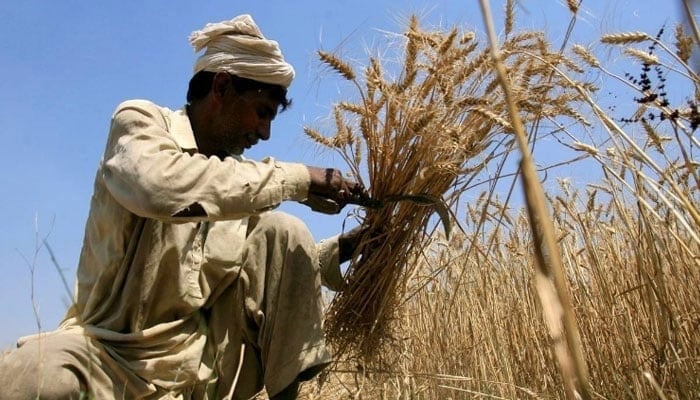
ISLAMABAD: The two largest provinces — Punjab and Sindh — have reverted to the old tax rate for imposition of Agriculture Income Tax (AIT) as earlier both the federal units had aligned the AIT with Personal Income Tax rates.
First, the Punjab Revenue Board reverted to the old AIT rates for Tax Year 2025, as the Provincial Assembly had given powers to fix the AIT rates through notification. The Punjab Board of Revenue announced that the old agricultural income tax rates would apply for the 2025 tax year. The Punjab Assembly had passed the Punjab Agricultural Income Tax (Amendment) Act 2024.
Now the Sindh government followed suit and brought changes in the AIT Law through the promulgation of an ordinance. According to the ordinance promulgated on October 28, 2025, under section 2 of the Amending Ordinance prescribes application of old rates for the period from 01-01-2025 to 30-06-2025 and brings Sindh AIT for the said period at par with the rates applicable in Punjab.
“This ends the discrimination against Sindh farmers. The new AIT rates (i.e. the higher rates) will apply for the period from 01-07-2025 onward,” one top official of the Sindh government told The News on Wednesday night.
The old rates for the purpose of AIT will be charged. Where the total income does not exceed Rs1,200,000/ there will be zero tax. Where the total income exceeds Rs1,200,000/- but does not exceed Rs2,400,000/, there will be rate of 5 percent of the amount exceeding Rs1,200,000.
Where the total income exceeds Rs2,400,000/- but does not exceed Rs4,800,000/, there will be a tax of Rs60,000/- plus 10 percent of the amount exceeding Rs2,400,000.
Where the total income exceeds Rs4,800,000/, there will be a tax of Rs300,000/- plus 15 percent of the amount exceeding Rs4,800,000.
Earlier, the Sindh government had notified AIT rates up to 45 percent, whereas the rate for small companies was fixed at 20 percent and for any other company at 29 percent. The super tax levy was also imposed up to 10 percent for higher income earners in the agriculture sector.
The provincial governments had slapped AIT to implement the conditions under $7 billion Extended Fund Facility (EFF) of the IMF programme. The IMF had struck a staff-level agreement for completion of the second review under the EFF programme, and now the third tranche is expected to be considered by the IMF Executive Board in December 2025.
This reversal of the AIT rates might become a headache for the negotiators with the IMF programme.
However, sources said that the IMF might have granted permission for lowering of AIT rates for a six-month period as a stopgap arrangement in order to mitigate the negative effects of the recent floods that caused losses to the agriculture sector in the current fiscal year.


-
 Aurangzeb confirms Saudi Arabia $10bn interest, says B2B shift ongoing
 -
 Pakistan to build artificial island to boost oil exploration
 -
 Special pink bus service launched for women on Green Line route
 -
 Same number plates from other provinces lead to wrong e-challans for Karachiites
 -
 State institutions ‘fail’ to perform constitutional duties: KP CM
 -
 CTD orders psychological testing of police on VVIP security duty
 -
 Navy busts drug consignment valued at $130m
 -
 Three ex-secretaries in race for ETPB chief post