Between water and survival
While I was in Buner helping small shopkeepers rebuild Pir Baba Bazaar after the floods, my phone wouldn’t stop ringing. Family and friends kept calling: ‘Punjab is drowning’, they said. ‘The rivers have come alive again – Chenab, Ravi, even Sutlej’.
At first, I thought it was just another monsoon season. We have seen floods before. But then videos began to circulate – torrents ripping through streets of villages, half-drowned houses, homes collapsing, livestock floating, the familiar horror returning with cruel precision.
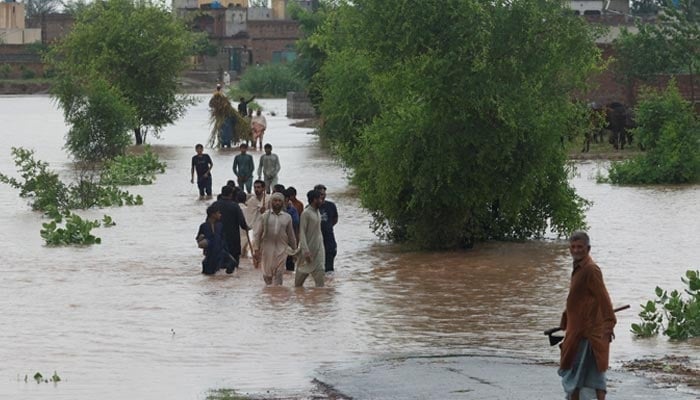
The rains had come early. What began as a blessing for farmers turned into a curse for millions. Across the border, India too was drenched, the swollen rivers rushing toward us as if in revenge. In Pakistan, those same waters exposed our greatest weakness: how little we’ve learned. Within hours, entire neighbourhoods vanished under flash floods around Jalalpur Pirawala.
We have already witnessed in Islamabad that beautiful homes built along old stormwater channels were washed away as nature reclaimed its forgotten paths. In Swat, 15 members of one family who were picnicking by the riverside were swept away by the water. Their laughter turned to screams, then silence. Rescue teams searched for days, but the river had taken them.
Across Khyber Pakhtunkhwa, the same scenes replayed: roads turning to rivers, bridges collapsing, cars floating with families trapped inside. From Gilgit to southern Punjab, nature unleashed its fury – and I couldn’t help but think that maybe this isn’t nature’s anger at all, but the result of our own negligence.
In Buner, our rehabilitation work came to a standstill. Shopkeepers told me, “Please wait until the government sends its compensation. If you rebuild now, they’ll say our shops weren’t damaged”. I understood their fear. Survival makes people cautious. But I couldn’t wait. My heart was already in Punjab, my home, my people. I decided to move towards the flood-hit plains of southern Punjab, where help was desperately needed.
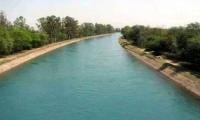
After making a few calls and doing my homework, I chose Jalalpur Pirwala, a historic tehsil in Multan district named after the Sufi saint Jalaluddin Surkh-Posh Bukhari. Reports said it was among the most affected areas. The Chenab ran on one side, the Sutlej on the other; the two rivers now turned into a single, roaring sea.
Before leaving, I dropped my family in Gujranwala. My wife, my partner in every relief mission since the 2005 earthquake, helped me pack supplies. Our children gathered their Eid savings to buy biscuits and chocolates for children they had never met. Watching their little hands pack those boxes, I felt a sharp ache of pride and sadness. Even they understood: compassion is not optional.
At 4am, my younger brother Salman and I set out in our jeep, loaded with water, fruit and food supplies. The motorway to Multan was calm, almost deceptive in its beauty. But as we approached the Jalalpur Pirwala interchange, we saw that the floodwater was already crossing the road. Trucks and relief convoys stood still, unsure which way to go. Locals warned us the Sutlej was rising again. We found a back route and pushed forward.
What awaited us was heartbreak. Families sat by the roadside with their livestock and whatever belongings they could carry. Beds and charpoys half-submerged in muddy water, faces burnt by the sun and hollow with exhaustion. Children ran behind our jeep asking for water, for food. I wanted to stop but in disaster zones, one wrong move can turn desperation into chaos. You have to help with your head, not just your heart.
Through my local friend, Sohaib Mugheera Siddiqui, I reached the edge of the floodwater. The sight stopped me cold. Boats floated where roads used to be. Jalalpur Pirwala had turned into a lake. More than 25,000 families were stranded in 15 union councils. Boats were the only way in or out and they came at a cost. Some families paid up to one lakh rupees to escape. Even in disaster, profiteering thrived.
With the help of Shaykh Atif Ahmed of Al-Midrar Institute, who was already working tirelessly across Punjab, I arranged cooked meals for 400 families. We loaded the containers onto a boat and began moving from one submerged village to another.
Everywhere we went, people waved from rooftops or broken walls. Children shouted, hoping for a food pack, a bottle of water, a sign that someone still cared. The silence after each distribution was haunting – the silence of people too tired to cry anymore.
I have attended countless seminars on disaster management, read research papers, and spoken about adaptation and resilience. But none of that prepares you for the moment you see a farmer standing waist-deep in water, watching the field that fed his family for generations disappear beneath a brown tide.
This is what climate change looks like. Not charts or numbers. It’s a mother boiling muddy water for her children. A father counting the last of his livestock. A child learning too early that Eid money can feed someone hungrier.
In those days on the boat, I realised how unevenly we suffer. The poor are always the first to drown – literally and metaphorically. The people living by the rivers, in mud houses and fragile settlements, are invisible in our national priorities. We build roads and housing societies for those who already have plenty, while the vulnerable are left one rainfall away from ruin.
Southern Punjab’s floods are not just a natural disaster; they are the outcome of human neglect. Weak governance, short-term politics and our obsession with visibility over vision have left millions unprotected. Every year we call it ‘unprecedented’ and every year it happens again.
The writer, an advocate of the Islamabad High Court, has been deeply involved in disaster rescue, relief and rehabilitation efforts across Pakistan. He can be reached at: usmanrafiquepk@gmail.com