Tomato prices skyrocket amid reduced demand
Islamabad : The tomato price has surged in Islamabad and Rawalpindi, hitting consumers hard.The rate has reached Rs550 per kg, with buyers declaring the hike as unprecedented amid criticism of price...
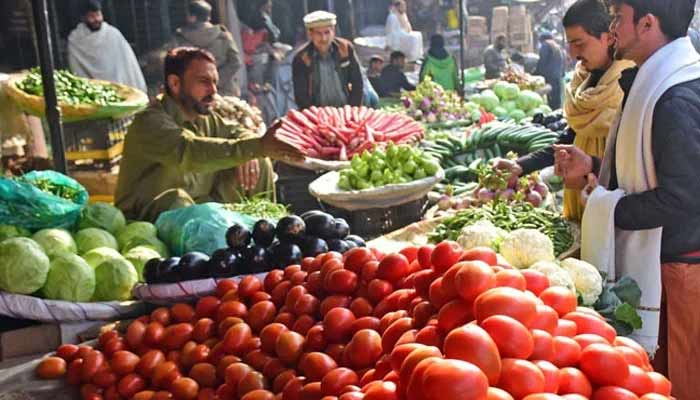
Islamabad : The tomato price has surged in Islamabad and Rawalpindi, hitting consumers hard.
The rate has reached Rs550 per kg, with buyers declaring the hike as unprecedented amid criticism of price control mechanism.
Retailers are charging more than double or even more than wholesale price of Rs250-Rs300 per kg.
Ironically, the official rate of tomatoes is 170 per kg, as notified in the price list issued by the district administration.
The sudden rate spike has forced the consumers to curtail tomato purchase, with many buying only small quantities for cooking needs. Some have turned to the low-price alternatives like tomato paste or yogurt. Vendors have confirmed reduced demand due to inflated price. Traders attributed the surge to a sharp decline in supply from key producing regions, saying that Balochistan’s tomato crop was nearing its end, while imports from Iran had dropped significantly. At the same time, border closures over tensions also disrupted supplies from Afghanistan.
They insisted that the next crop from Sindh was expected to reach wholesale markets next month to ease prices. Traders, however, said until then, the shortage was likely to persist, keeping rates unusually high.
Prices of other vegetables, including peas, zucchini and ginger, have also risen by Rs50-Rs100 per kg to the misery of residents.


-
 Aurangzeb confirms Saudi Arabia $10bn interest, says B2B shift ongoing
 -
 Pakistan to build artificial island to boost oil exploration
 -
 Special pink bus service launched for women on Green Line route
 -
 Same number plates from other provinces lead to wrong e-challans for Karachiites
 -
 State institutions ‘fail’ to perform constitutional duties: KP CM
 -
 CTD orders psychological testing of police on VVIP security duty
 -
 Navy busts drug consignment valued at $130m
 -
 Three ex-secretaries in race for ETPB chief post