Pakistan is quietly confronting a crisis that has taken root across its schools, homes, and streets. Drug abuse, once a problem whispered about in hushed tones, has now escalated into a national emergency.
According to the most recent estimates, over 6.7 million Pakistanis use illicit drugs, and nearly 4.25 million are classified as addicts. That’s more than the population of some cities, living in the shadows of a deeply misunderstood epidemic. The numbers don’t end there: approximately 700 people in Pakistan die from drug-related causes every single day. That adds up to a staggering 250,000 lives lost each year, yet there is little national outcry.
Heroin, cannabis, methamphetamine (‘ice’), opioids and a toxic mix of over-the-counter pharmaceuticals like benzodiazepines and DXM-laced cough syrups make up a cheap, accessible and deadly menu. Much of it flows in through porous borders with Afghanistan, historically the world’s leading opium producer, while lax domestic regulation ensures that even prescription drugs are freely available without oversight.
The price of meth, for instance, has plummeted from Rs5,000 to just Rs500 per gram, putting it well within reach of Pakistan’s increasingly anxious and jobless youth. It’s no surprise that addiction is rising fastest among people under 25, a demographic that forms more than 60 per cent of Pakistan’s total population.
But while the availability of narcotics is part of the story, the deeper issue lies in the absence of structures that equip young people to resist. Peer pressure, academic stress, social isolation, trauma and a glaring lack of mental health support are pushing thousands towards drugs each year. The country’s collective response, however, remains dangerously inadequate. Fewer than 30,000 addicts receive any form of structured treatment annually. Public rehabilitation facilities are scarce, often poorly managed, and ill-equipped to deal with co-occurring psychological issues like depression or anxiety. In some districts, there are no treatment centers at all.
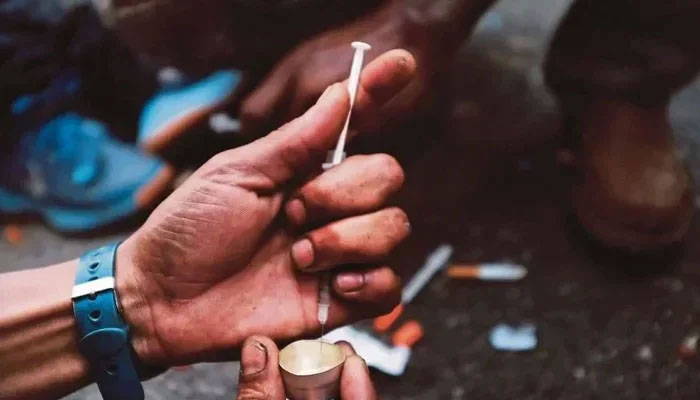
And so the cycle continues. Addiction leads to job loss, crime, domestic violence and abandonment. Families, rather than receiving support, are told to feel shame. As a result, most addicts are hidden, by their loved ones and from society, until the problem becomes too big to ignore. Pakistan also faces a hidden epidemic of injectable drug use, which has fueled a sharp rise in HIV/AIDS and hepatitis C. HIV positivity among injecting drug users rose from 11 per cent in 2005 to 40 per cent by 2011. This is not just a drug problem anymore; it’s a national health crisis.
Despite the scale, the political and policy response has been reactive at best. While law enforcement continues to arrest users and smugglers alike, there is minimal follow-through in courts. Drug dealers routinely exploit procedural gaps, walk free, and return to business as usual. Meanwhile, there is little to no regulation of the pharmaceutical retail sector. In cities and towns alike, unlicensed pharmacies sell tranquilisers, opioids and mind-altering substances without any prescription checks or quantity limits.
So what should Pakistan do when its youngest, most energetic citizens are quietly slipping into dependence – and dying by the thousands? The answer isn’t just more policing or harsher laws. The real battle must be fought and won through prevention.
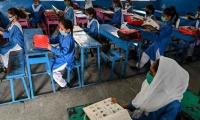
Prevention means starting in the classroom, not the courtroom. It means training teachers to identify at-risk students and equipping them with the tools to intervene. It means helping parents have difficult, honest conversations with their children before it’s too late. Prevention means embedding drug education into the national curriculum, not just in biology textbooks, but in real-life lessons about mental health, peer influence and the consequences of addiction.
It also requires investment in alternatives. Teenagers need more than warnings; they need safe, stimulating and supportive environments where they can thrive. Whether it’s sports, art, music or environmental activism, providing avenues for healthy engagement can serve as a protective barrier. Without that, idle time and emotional distress become an open invitation for drugs to enter and take hold.
To be clear, prevention is not just a slogan. It is a national strategy that can be measured, resourced and scaled. Pakistan must look to models that are already working. One such example is the Karim Khan Afridi Welfare Foundation (KKAWF), which has emerged as a leader in prevention-based education. Founded in memory of 19-year-old Karim Afridi, who lost his life to a one-time drug misuse, the foundation has developed a multi-pronged approach to protect youth through awareness, education, and emotional empowerment. Its school-based programme, ‘Unplugged – Hum Saath Hain’, trains teachers across Pakistan to conduct drug education sessions rooted in empathy, science and engagement.
But the KKAWF does more than educate; it activates. Through sports tournaments, cultural events, art competitions and digital outreach, the organisation helps youth find identity and purpose beyond narcotics. The foundation also engages with policymakers, collaborates with international partners like UNODC and is part of the Vienna NGO Committee on Drugs. It is not a silver bullet, but it represents exactly the kind of homegrown, sustainable model that Pakistan must adopt nationally.
Still, efforts like the KKAWF’s remain exceptions. What’s needed now is a serious, coordinated effort at the federal level. The Ministry of Narcotics Control and the Ministry of Education must align on a comprehensive, evidence-based prevention policy. Local governments must be empowered and funded to implement school-based programmes, establish youth centres and regulate pharmaceutical sales. Media campaigns must shift from scare tactics to smart narratives that reflect the realities youth face. And mental health services must become a budgetary and institutional priority, not a luxury or afterthought.
Technology can play a role as well. With Pakistan’s high mobile penetration rate, prevention apps, helplines and virtual therapy could reach thousands who have no other access to help. The stigma that has long surrounded addiction in Pakistan must be replaced by open conversations, compassionate intervention and credible recovery pathways.
The cost of inaction is steep. Every delay allows the crisis to deepen. Every child not reached is another future cut short. This is not just a health issue or a law enforcement challenge but a threat to the country’s human capital, its economy and its social fabric.
Pakistan has proven that it can rally resources when the stakes are high. It has fought terrorism, battled floods and survived political upheavals. But this quiet war, against an enemy that destroys silently, often invisibly, requires a different kind of leadership. One that is courageous enough to confront cultural taboos, invest in youth and treat addiction as a matter of dignity, not disgrace.
It’s time to stop seeing drug abuse as someone else’s problem. It is everyone’s problem. And if we fail to act now, we may lose not only the next generation but also the soul of our society.
The writer is a public policy expert and leads the Country Partner Institute of the World Economic Forum in Pakistan. He tweets/posts @amirjahangir and can be reached at: aj@mishal.com.pk