The indignity of disaster
Human dignity is a universal concept. From religious theologies to Kantian ideas of freedom and ethics, there is an inherent dignity that forms the foundation of all laws and regulations. However, around us, we frequently see this dignity being snatched away – via hunger, poverty or homelessness.
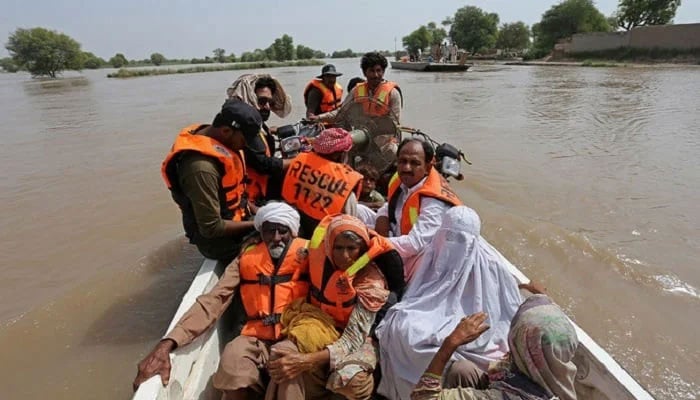
Natural calamities like the recent floods further strip away millions of basic necessities like food, water and shelter. For decades, the responses to these crises have centred on relief, feeding the hungry, housing the displaced and providing short-term assistance. These efforts are noble and necessary, but they treat symptoms rather than causes and turn humans into beneficiaries. Relief activities during disasters often create an unspoken power imbalance between the donor and recipient, despite the latter not being at fault.
This does not stem from any ill intent on the part of the donor, but rather from a lack of knowledge and understanding. Disasters and the resulting hunger, after all, are not an isolated issue. It is the visible face of a deeper systemic failure – one rooted in inequity, lack of opportunity and structural neglect.
Peripheries suffer greater damage due to structural inequalities, yet the limelight is taken by a handful of urban destructions. This is a result of long-term decisions that prioritise certain sections over the rest.
What is needed has gone beyond distributing rations and clothing. What is now needed is to undo these systematic inequalities and bring forth a level, or close to one, field for all.
The starting point of an equal system is the realisation that we all live in a highly interdependent community. Unfortunately, urban Pakistanis often view these tragedies as distant problems that belong to villages, rather than cities. When in reality, the food that fills our markets and homes begins in the hands of small farmers. When they falter, the ripple reaches every household.
This year’s floods have once again exposed that interdependence. Millions of acres of farmland, particularly in Punjab, Pakistan’s breadbasket, have been damaged or destroyed. Crops such as rice, maize, sugarcane and cotton have suffered severe losses. As the wheat sowing season approaches, I can’t help but ask: what happens when the fields remain barren?
The consequences of agricultural collapse extend beyond the rural economy. They translate into higher food prices, greater imports, increased poverty and rising hunger. What happens in a farmer’s field today determines what appears, or disappears, on the nation’s dining table tomorrow.
Smallholder farmers, who make up over 90 per cent of Pakistan’s agricultural workforce, remain caught in a cycle of dependence and exploitation. To sow their crops, many must borrow from middlemen at exorbitant interest rates. In return, they often receive poor-quality inputs that yield meager harvests.
When natural disasters strike, these farmers lose everything: their crops, their income and their ability to repay debts. The cycle repeats with every flood, drought or market shock, eroding both livelihoods and dignity.
The need of the hour is not just financial relief but systemic reform that replaces dependency with empowerment. Farmers need access to interest-free credit, high-quality agricultural inputs and training in sustainable practices. They must be connected directly to markets to ensure fair compensation for their work.
Only by addressing these structural weaknesses can Pakistan build resilience against future climate shocks. Restoring livelihoods means restoring dignity. Every acre of rehabilitated land represents a family that can work, earn and live without aid. Every empowered farmer strengthens the foundation of national food security.
Pakistan’s agricultural crisis is really a moral challenge. With millions of acres still lying idle after recent floods, the time for short-term interventions is over. What is required now is sustained investment in rural recovery to help farmers sow again, rebuild their lives, and, in doing so, secure the nation’s future. Because dignity, much like the land itself, must be cultivated, one acre at a time.
The writer is the co-founder and VP Operations at Rizq, a social enterprise focused on achieving Zero Hunger through a range of social businesses and programmes.