Afghanistan’s miscalculation
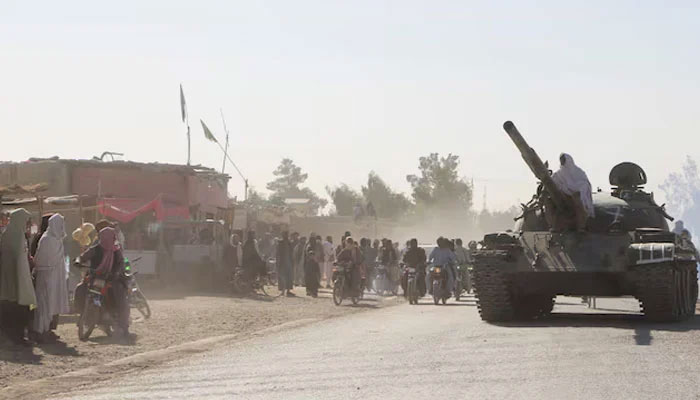
Afghanistan clearly miscalculated by opening a wider front along the border with Pakistan, targeting border posts and in return getting a robust response from the Pakistan military.
Afghanistan clearly bit more than it could chew – Pakistan targeted and destroyed 19 border posts, many of which were captured with the Afghan soldiers manning them either killed or deserting them.
Pakistan also targeted and destroyed the Asmatullah Kakar military base in Spin Boldak in Kandahar province near the border with Pakistan. This Afghan Taliban base is of strategic value because it played a key role in the Afghan Taliban regaining control of Kabul and thereafter Afghanistan when the US forces withdrew in 2021. It has also been used by the TTP to stage attacks inside Pakistan.
The attack on this base and its being rendered inoperable will be of considerable interest to the US and, in particular, to US President Donald Trump, since he has made it a point to express his keen interest in regaining control of the Bagram military base outside Kabul.
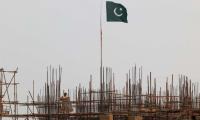
In the age of social media and (dis)information warfare, it wasn’t that difficult to ascertain that by the next morning (Oct 12), one thing was clear: many Afghan military border posts had been destroyed by Pakistan and were now left vacant – and several now had Pakistani flags fluttering over them.
As for casualty figures, Afghanistan claimed that 58 Pakistani soldiers had been killed, with Pakistan dismissing that claim. Pakistan has said that it lost 20 soldiers and killed 200 Afghan Taliban and other affiliated terrorists.
Several Muslim states have publicly expressed concern about the skirmishes. This includes Iran, Qatar and Saudi Arabia, with whom Pakistan has a strategic defence pact. All of them asked for de-escalation and the pursuit of dialogue.
Pakistan’s foreign ministry has released a detailed statement, the gist of which is that: one, Afghanistan should stop allowing its territory to be used by terrorists to attack Pakistan. Two, all actions (including the strikes in Kabul and Kandahar) have been carried out in self-defence.
Three, Pakistan value’s dialogue and diplomacy and a mutually beneficial relationship with Afghanistan, but will do whatever is needed to safeguard the safety of its citizens and territory.
Four, Pakistan hopes that “one day the Afghan people will be emancipated and be ruled by a true representative government”.
The last point is a new development and very important in the geostrategic and geopolitical context. It indicates that, for the first time, Pakistan may be publicly signalling that it is perfectly fine with a change of regime in Kabul. It should be kept in mind that the attacks by the Afghan military happened while Afghanistan’s foreign minister was on an official visit to India.
The importance of this signalling should also be seen in the context of recent statements by Trump that the US wants to take back control of the Bagram military base outside Kabul.
The coming weeks could well see a resurgence in suicide attacks inside Pakistan since that is usually the preferred mode of attack of the Taliban. Of course, it could well be that this may not happen or not with the same intensity as before or as expected, given how key military bases were also attacked and destroyed by Pakistan – in particular, the Asmatullah Kakar base in Spin Boldak.
The best way forward for Pakistan would be to wind this down quickly because it should not seek to have an active front on its eastern border with India itching – going by recent statements of its political and military leaders – to start another military engagement.
The writer is a journalist based in Karachi. He tweets/posts @omar_quraishi and can be reached at: omarrquraishi@gmail.com