Turmoil and the economy
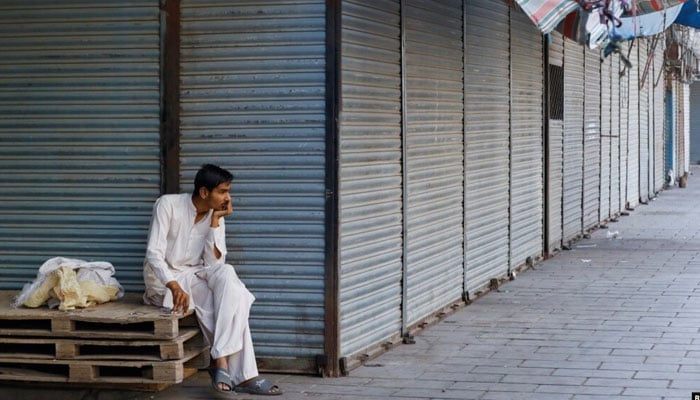
As Pakistan faces increasing domestic unrest and a conflict on the Afghan border, the country’s ability to revive a largely moribund economy must remain in question.
This is increasingly the writing on the wall, amid growing internal discord between Pakistan’s political rivals, a trend that has been escalating the country since the parliamentary elections in February 2023. Events such as this week’s acrimony surrounding the change of the provincial chief minister of Khyber Pakhtunkhwa (KP) promise to deepen the divide further.
Meanwhile, the clashes between Pakistan and Afghanistan’s Taliban regime along the Afghan border have unexpectedly triggered fresh questions over Pakistan’s already challenged security. While official accounts suggest that the clashes were triggered by relentless Taliban attacks on Pakistan’s border forces, the country must end the turmoil to protect its own best interests.
The coming winter, due to arrive soon, will make it harder for Afghanistan’s ragtag forces to carry on the fight, in sharp contrast to Pakistan’s well-equipped and battle-hardened forces. Yet, what is vital for Pakistan is to use all the means at its disposal to end the fight decisively rather than risk living with a recurring conflict.
And finally, fresh protests by the TLP this week, focused mainly across Punjab, presented another powerful reminder of the capacity of Pakistan’s non-state actors to periodically disrupt life in key parts of the country. This was a timely reminder of the need for a comprehensive solution to the periodic agitation by non-state actors, determined to challenge the writ of the Pakistani state.
The overall impact of internal politics and border conflicts together promises to undermine Pakistan’s already fragile recovery. The economy has undoubtedly emerged from a near-default situation just two years ago, when Pakistan was repeatedly cautioned as the next candidate to follow Sri Lanka, the last economy in South Asia to default on its foreign repayments. The return from that dangerous spot has helped Pakistan stand today in a relatively comfortable zone. However, edging away from being in a near default territory leaves behind a long road to progress that still needs to be achieved. In this journey, the most glaring challenge emanates from Pakistan being increasingly surrounded by a fast-growing and terrible fallout from climate change.
The fallout from floods and heavy rainfall this year has already taken its toll on Pakistan’s already fragile human conditions. Across the country, the destruction this year appears to be without precedent in Pakistan’s history. And the turmoil is set to grow, notably with the National Disaster Management Authority (NDMA) predicting heavier rainfall next year.
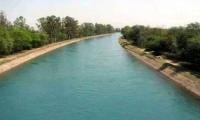
The weather-related challenge is so intense that Pakistan must consider unprecedented steps, such as revising its entire spectrum of development goals, to mitigate the fallout from rapidly changing weather conditions. In this journey, widely publicised plans such as building new motorways or fanciful train projects must be shelved indefinitely. Instead, a robust recovery in Pakistan’s resource and focus-starved agriculture sector is essential to meet harsh future challenges.
This is all the more essential in view of the agricultural sector growing by a meager 0.6 per cent last year, adding to Pakistan’s multiple woes. For the present financial year, the recent destruction to agriculture and livestock has raised the prospect of another wasted year for lifting food security.
More importantly, the overall picture additionally reinforces the grave challenge of reviving investments in Pakistan’s industrial and agricultural sectors. The combined effect of Pakistan’s challenges is set to undermine prospects for a strong recovery in domestic investments, while a large-scale entry of world-class foreign investors is just not visible on the horizon.
Going forward, the short answer to improving Pakistan’s outlook will depend on removing the impediments that currently haunt the country. But meeting this objective requires a focus on three interrelated areas. First, the discord that has deepened Pakistan’s internal political divide must end as an essential first step towards rebuilding a broader sense of unity. Without ending the divide, Pakistan will repeatedly witness one period of divisions after another, making it difficult to oversee a national consensus on vital issues.
Second, the chronic challenges surrounding Pakistan’s economy are vitally led by gaps in the country’s revenue collections as well as a recurring failure to curtail wasteful public sector expenditure. Together, these two gaps have together undermined Pakistan’s economic health over time. Fixing these challenges is central to reversing the downward slide of Pakistan’s economy.
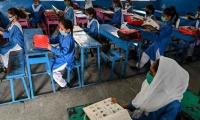
Ultimately, Pakistan’s average citizens have lost faith in the government's ability to protect their interests. This loss of hope has flowed from a breakdown of institutions across the board, responsible for providing essential services such as healthcare, education and frameworks for the creation of employment opportunities.
Together, these reforms are essential to reverse the chronic disarray that has undermined Pakistan’s outlook over time.
The writer is an Islamabad-based journalist who writes on political and economic affairs. He can be reached at: farhanbokhari@gmail.com