‘Aaj Shahzeb Khanzada Kay Sath’ : Saad Rizvi incited public to violence, then fled: police
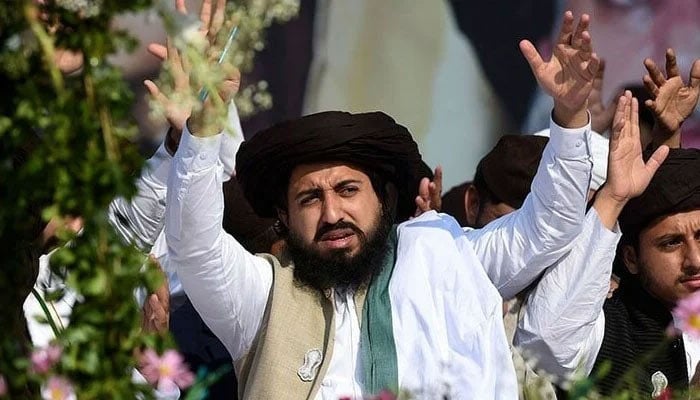
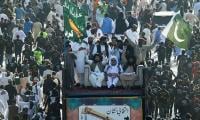
KARACHI: Tehreek-e-Labbaik Pakistan (TLP) leader Saad Rizvi incited the public to engage in violent protests and then fled the scene, according to DIG Operations Lahore Faisal Kamran.
Providing details during Geo News programme ‘Aaj Shahzeb Khanzada Kay Sath’ about the recent protest march by the TLP and the police action, DIG Kamran said security agencies had traced the locations where Rizvi was present, and he would soon be brought to justice.
He said that if Rizvi has suffered any injuries or gunshot wounds, the state would provide medical treatment, adding that all records are available in this regard.
He also said that direct communication took place with protesters in Lahore, urging them to limit their protests, but they announced their intention to reach the US Consulate in Islamabad and continue their disruptive actions. He added that protesters had shot directly at police officers on the Shahdara Bridge, and that there were videos and footage of these violent actions.
DIG Kamran pointed out the organised nature of TLP protests, noting that when this group takes to the streets, they occupy public properties, seize vehicles, block roads with containers and establish a perimeter around themselves.
He stressed that public and private properties are targeted, and that people have reported in recorded calls to emergency numbers that their vehicles were snatched from them.
He disclosed that police officers felt a fearful atmosphere during the protests and were concerned they could face severe violence if captured by the protesters, who might subsequently receive amnesty, as in the past.
However, he asserted that this time the state is committed to not tolerating violations of the law, and to taking action. He noted that 60 police officers have been permanently disabled due to the TLP’s violent protests.
DIG Kamran said that this time the Punjab police took careful but effective action to end the sit-in. He also noted that the organisation uses social media effectively, and exaggerates the number of casualties, but facts would be presented in courts.


-
 Aurangzeb confirms Saudi Arabia $10bn interest, says B2B shift ongoing
 -
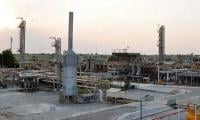 Pakistan to build artificial island to boost oil exploration
 -
 Special pink bus service launched for women on Green Line route
 -
 Same number plates from other provinces lead to wrong e-challans for Karachiites
 -
 State institutions ‘fail’ to perform constitutional duties: KP CM
 -
 CTD orders psychological testing of police on VVIP security duty
 -
 Navy busts drug consignment valued at $130m
 -
 Three ex-secretaries in race for ETPB chief post