New port proposal to have implications: Chinese media
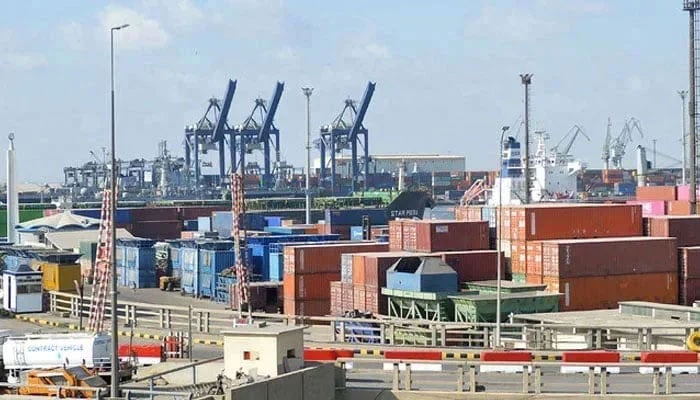
KARACHI: Chinese media, citing experts, has reported Pakistan’s proposal to build a new port in Arabian Sea could have significant geopolitical, political and economic implications.
Deniel Markey, a senior fellow at Stimson Centre’s South Asia and China programmes, said growing closeness between Pakistan and US President Donald Trump could help turn this proposal into reality.
According to him, Trump Administration favoured unconventional blends of public and private partnerships, which could increase chances of the project moving forward.
However, he cautioned Balochistan remains a remote and unstable region. He noted if past investments in Gwadar Port had been effective, the port would have developed by now, but persistent security concerns and weak infrastructure have held it back.
Markey added through this project, Pakistan seeks to forge closer ties with United States and escape diplomatic isolation.
Amit Ranjan, a research fellow at the National University of Singapore’s Institute of South Asian Studies, said the port’s location would be strategically important, as it would lie only 160 kilometres from Iran. According to him, this could make it attractive for US, as it would allow Washington to monitor developments in the region.
He further said the project would be a “major diplomatic test” for Pakistan, as Islamabad would have to maintain a delicate balance in its relations with both China and United States.
For China, he added, the plan could be a matter of concern.
Sreeradha Datta Pathak, a professor of international relations at India’s O.P. Jindal Global University, said the US could support the project because it aligns with its strategic and economic interests. She noted US wants to diversify its supply chains away from China, and this initiative could be part of that broader strategy.
According to her, the new port could enhance Pakistan’s export capacity and give US a new strategic foothold in Arabian Sea — potentially posing a challenge to India.


-
 Aurangzeb confirms Saudi Arabia $10bn interest, says B2B shift ongoing
 -
 Pakistan to build artificial island to boost oil exploration
 -
 Special pink bus service launched for women on Green Line route
 -
 Same number plates from other provinces lead to wrong e-challans for Karachiites
 -
 State institutions ‘fail’ to perform constitutional duties: KP CM
 -
 CTD orders psychological testing of police on VVIP security duty
 -
 Navy busts drug consignment valued at $130m
 -
 Three ex-secretaries in race for ETPB chief post