Over 300 derelict cops penalised: DIG Raza
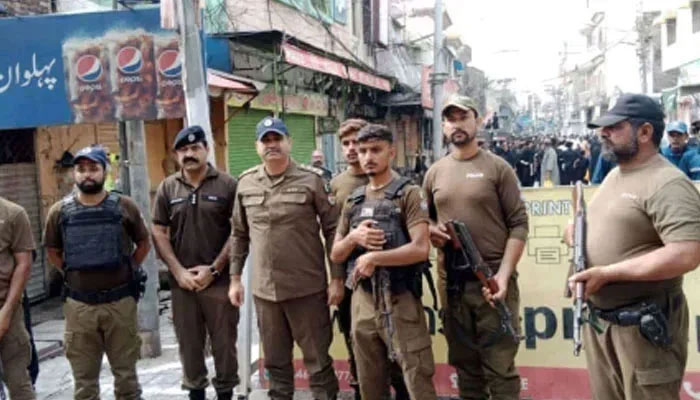
LAHORE: Deputy Inspector General (DIG) Investigation Lahore, Zeeshan Raza, has revealed that over 300 police officers have been penalised, with more than 30 dismissed on charges of corruption and deliberate negligence, as part of a sweeping internal accountability drive within Lahore’s Investigation Wing.
Speaking to The News, DIG Raza said the department has built multiple layers of internal oversight to ensure integrity and performance. A Feedback Cell now contacts hundreds of complainants daily to assess their satisfaction with investigations, while an Investigation Review Cell routinely audits case files using structured checklists. ‘Wherever misconduct or negligence is found, disciplinary action follows without delay,’ he said.
Providing an overview of Lahore’s criminal caseload, Raza disclosed that the city currently has over 200,000 registered cases. ‘Of these, around 12,000 to 13,000 cases are under investigation, while nearly 14,000 are before the courts for prosecution,’ he said.
According to him, Lahore’s conviction rate has nearly doubled in the past year, rising from around 3,000 to nearly 6,000 convictions, a development he attributes to improved coordination between the police and prosecution departments.
Discussing crime trends, the DIG said overall crime has declined due to enhanced patrolling, coordination among agencies, and improved investigation systems. He credited the Safe City cameras with reducing street crime, robberies, and vehicle snatching. However, he noted a sharp increase in cybercrime and financial fraud, citing the growing digitalisation of daily life. “Such cases are now handled by the FIA under the amended Prevention of Electronic Crimes Act,” he clarified.
On high-profile and politically sensitive cases, Raza maintained that investigations are driven strictly by evidence. ‘Incidents involving attacks on government properties or police vehicles were not politically motivated but clear breaches of law and order,’ he emphasised. He added that these cases were handled transparently through the Anti-Terrorism Courts based on video evidence and witness testimonies, with no political interference.
Responding to questions on the handling of rape investigations, Raza acknowledged that while some complaints are legitimate, others are exaggerated or withdrawn in court. ‘Even then, police policy is clear, victims and accused must never travel or be held together during any stage of the investigation,’ he said, warning that any breach leads to immediate inquiry and punishment.
He admitted that resource constraints often pose challenges. ‘Investigations can be costly, especially when suspects are traced across provinces or forensic testing is required,’ he said. However, he noted that the Punjab government has recently increased the investigation budget, allowing priority funding for serious crimes such as kidnapping of women and children, where the department bears all operational costs.
On complaints from overseas Pakistanis, Raza said each case is handled individually and action is swift against any officer found guilty of corruption or harassment. ‘Hundreds of officers have faced penalties, including dismissals, for mishandling property or fraud cases involving overseas citizens,’ he confirmed.
Raza also underscored the importance of open courts in bridging the trust gap between citizens and police. ‘These forums allow people to bring their grievances directly to senior officers, and this transparency has improved the behaviour of SHOs and Investigating Officers,’ he said.
In conclusion, DIG Zeeshan Raza said Lahore’s Investigation Wing is moving toward evidence-based, citizen-centered policing. His emphasis on technology, transparency, and accountability reflects a larger reform agenda aimed at restoring public confidence and ensuring justice through competence and integrity.


-
 Aurangzeb confirms Saudi Arabia $10bn interest, says B2B shift ongoing
 -
 Pakistan to build artificial island to boost oil exploration
 -
 Special pink bus service launched for women on Green Line route
 -
 Same number plates from other provinces lead to wrong e-challans for Karachiites
 -
 State institutions ‘fail’ to perform constitutional duties: KP CM
 -
 CTD orders psychological testing of police on VVIP security duty
 -
 Navy busts drug consignment valued at $130m
 -
 Three ex-secretaries in race for ETPB chief post