Privatising PIA
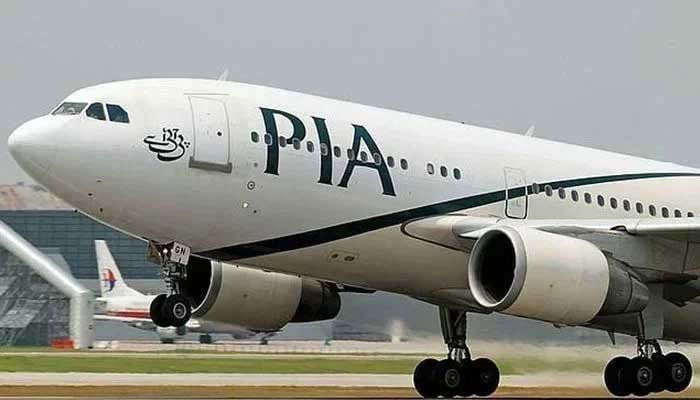
Pakistan International Airlines, once the pride of the nation, has been on the privatisation list for so long that many feel thrilled to bet on whether it will ultimately find new owners or remain in the public domain.
Many loss-making organisations in the public sector exist, and the authorities acknowledge their poor performance, but PIA attracts the most public attention. The reason is that its planes take to the air but lack performance compared to other airlines. Now, the secretary of the Ministry of Privatisation has reportedly informed the Senate Standing Committee on Privatisation that PIA will be privatised by November 2025. The betting on its privatisation continues.
When taxpayers know that there exists a full-fledged ministry of privatisation with its minister and relevant staff solely to decide the fate of loss-making state organisations, how would – how do – they feel about the wastage of their hard-earned tax money? Why allow loss-makers in the public sector in the first place?
In July this year, there was headline news in this paper: ‘Losses of 15 SOEs surge to whopping Rs5.9 trillion’. In view of the shocking revelation, has the government taken any action to mitigate the losses of the SOEs or privatise them? Does it mean the relevant authorities had been watching the state-owned enterprises go into huge losses and didn’t care since it was public money and the losses were to be borne by the public exchequer?
Why state-owned and managed organisations go into losses deserves a thoughtfully considered answer. The main reasons for it are overstaffing, inadequate qualifications of the staff, pilfering, dishonesty and, above all, lack of serious accountability. PIA, the national airline, offers a glaring example. When private airlines in the country are running profitably, why can’t PIA?
However, Pakistan couldn’t privatise the PIA by July 2025, which was the date set by the IMF for its privatisation. It had to be a powerful institution like the IMF to enforce PIA’s privatisation otherwise it was serving as a money-making ‘rest and recreation’ organisation for influential retired and serving men from other professions. Reportedly, an attempt to privatise PIA last year didn’t succeed either, as the single offer of interest the country received was most disappointing. It fell much below the asking price of about $300 million.
The taxpayers feel their tax money has no value, given the way it’s treated at the upper levels of the government. The positive news is that the situation is remediable – that is: if the government has the will to do it. First, the government administrative setup is huge and it needs to downsize drastically. Follow what onf of our most leading business tycoons once said: It would make no difference if two-third of the bureaucracy were removed. Overstaffing is the biggest issue at government departments. State-owned organisations are a drain on the national resources and must be privatised, he advised.
Who could disagree with the views of one of the most successful businessman in the country? As far as the bet on PIA privatisation goes, I fully support those who want it privatised. Who knows: PIA might lead the way for the privatisation of other loss-making state organisations.
The writer is a freelance columnist based in Lahore. He can be reached at: pinecity@gmail.com