Access to emerging technologies needs to be prevented’
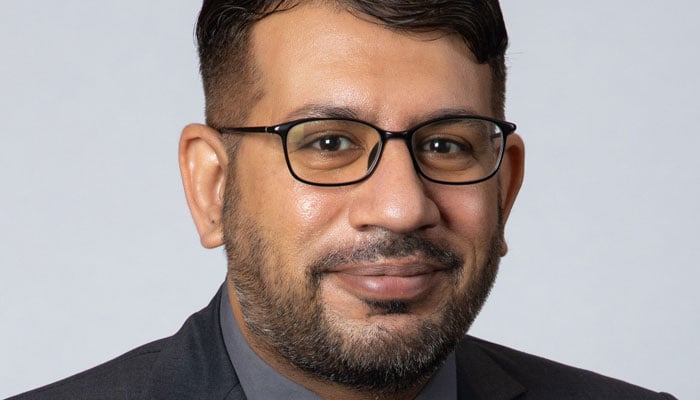
Islamabad: Senior Associate Fellow at the International Centre for Political Violence and Terrorism Research (ICPVTR) of Nanyang Technological University, Singapore Abdul Basit has said that the sanctuary provided to the Tehrik-i-Taliban Pakistan (TTP) in Afghanistan as well as the ready availability of finances already enabled it to progress from the experimentation phase in the use of emerging battlefield technologies to an iteration phase.
Abdul Basit was speaking at an event on “Emerging technologies and the future of counterterrorism operations in the Pakistan-Afghanistan border areas” organised here by Institute of Regional Studies (IRS).
He said that if left unchecked the TTP could advance to the next two breakthroughs and competition phases in the use of this technology. He underscored the payload capacity, speed and range constraints of the improvised commercial drones used by the terrorist groups. He, however, cautioned about the implications of the advancements in the use of drone technologies for urban spaces.
Iftikhar Firdous, Editor of The Khorasan Diary, stated that the Pak-Afghan counter-terrorism landscape transformed since the takeover of Kabul by the Taliban.
He added that the sophistication of weapon systems used by the TTP since 2021 had considerably increased since then, helped, in part, by the ready availability of NATO’s leftover weapons in Afghanistan.
The TTP’s use of night vision goggles-equipped M4 and M16 rifles to attack Pakistan’s posts on the Pak-Afghan border had considerably increased the lethality of the TTP attacks, according to him. He further shared that al-Qaeda was one of the key mentors and sponsors of the use of improvised drone technology by terrorist groups in Pakistan.
Dr Simbal Khan, CEO, Crossroads Consultants, said that the improvised drone technology used by the TTP could only be effectively controlled through impacting the decisions of the technology’s users. She added that if the technology was made difficult to acquire and improvise through a collective regional approach, it could keep the terrorists from further advancements in the field.
Aarish U Khan from IRS highlighted that regional cooperation led to the placement of counter-drone cooperation on the regional security agenda of the Shanghai Cooperation Organisation.


-
 Aurangzeb confirms Saudi Arabia $10bn interest, says B2B shift ongoing
 -
 Pakistan to build artificial island to boost oil exploration
 -
 Special pink bus service launched for women on Green Line route
 -
 Same number plates from other provinces lead to wrong e-challans for Karachiites
 -
 State institutions ‘fail’ to perform constitutional duties: KP CM
 -
 CTD orders psychological testing of police on VVIP security duty
 -
 Navy busts drug consignment valued at $130m
 -
 Three ex-secretaries in race for ETPB chief post