Pakistan facing surplus power generation capacity, NA told
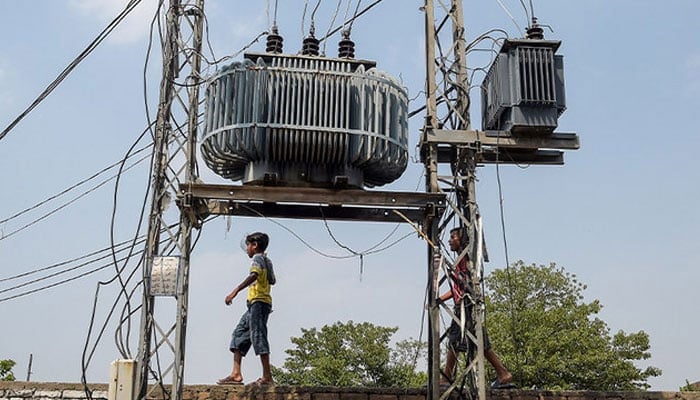
ISLAMABAD: The Power Division told the National Assembly on Friday that the country continues to face surplus generation capacity, while actual grid utilisation remains low.In a report presented to the National Assembly in reply to a question of Shagufta Jummani, the Ministry of Energy (Power Division) stated that since capacity payments were fixed in nature regardless of grid utilisation, lower consumption results in higher per-unit fixed costs for existing consumers.
According to the report, the Ministry of Energy was working on a proposal for a surplus power package for industrial and agricultural consumers, in alignment with the Bijli Sahulat Package, with a clear outlook for the next three years.
The proposed package is designed to be subsidy-neutral, offering an incentivised rate of 8–9 cents to target consumers on their incremental consumption.
Since June 2024 the average national tariff has been reduced from Rs 48.70 per unit including taxes to Rs 39.64 per unit in August this year, showing a decrease of Rs 9.06 per unit.
The impact of recent negotiations with power producers and improvements in key economic indicators resulted in reduced tariffs for consumers and its impact has been passed on in FY-2026 to consume-end tariff rebasing.
Later, economic and tariff changes shall be incorporated in the upcoming rebasing starting 1St January, 2026.
Since October 2021, as part of subsidy reforms, the government has taken steps to better target the subsidies towards vulnerable protected consumers.
In fiscal year 2025, rebasing the industrial cross subsidiary has also been reduced from Rs 225 billion to Rs 74 billion.
Regarding performance of power distribution companies (Discos), it is pertinent to highlight that the Discos’ losses have been brought down from Rs 591 billion in FY 2024 to Rs 397 billion in fiscal year 2025 representing a substantial reduction of Rs 194 billion.
The ongoing reforms including reduced electricity tariff, captives transition to grid, surplus incentive packages etc. shall lead to a more affordable and sustainable grid.


-
 Aurangzeb confirms Saudi Arabia $10bn interest, says B2B shift ongoing
 -
 Pakistan to build artificial island to boost oil exploration
 -
 Special pink bus service launched for women on Green Line route
 -
 Same number plates from other provinces lead to wrong e-challans for Karachiites
 -
 State institutions ‘fail’ to perform constitutional duties: KP CM
 -
 CTD orders psychological testing of police on VVIP security duty
 -
 Navy busts drug consignment valued at $130m
 -
 Three ex-secretaries in race for ETPB chief post