The paranoia around vaccines is not new to Pakistan. Being cautious and seeking information before accepting anything blindly is a valuable virtue. The problem arises when opinions are formed and amplified without even minimal research.
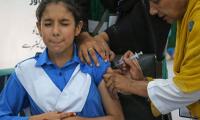
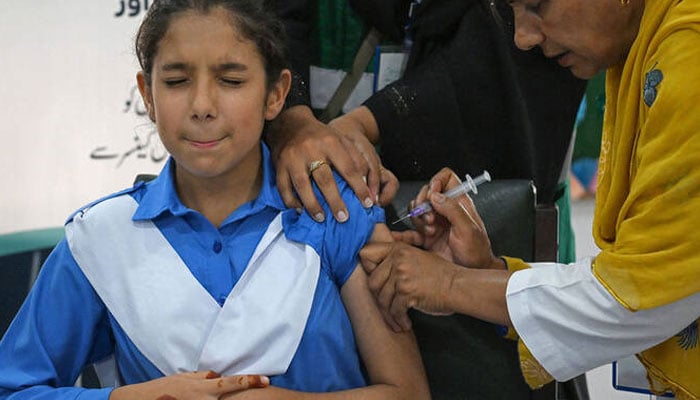
This was evident as soon as the Human Papillomavirus (HPV) vaccine was launched for girls aged 9 to 14 in Pakistan. Social media was instantly flooded with misinformation, conspiracy theories about the vaccine, the government, and the organizations providing it. Some even argued that because it is free, ‘there must be a catch’.
What many fail to realise is that global health initiatives ensure vaccines are provided free of cost to low and middle income countries so that children everywhere are given equal protection.
When a vaccine is approved for routine use, it has already undergone years of research, testing and scrutiny. Only after establishing its safety and effectiveness is it introduced into immunisation programmes. Even minor side effects are weighed against the benefits of preventing a disease. Covid-19 vaccines were an exception, rolled out rapidly because of the urgent global crisis. The HPV vaccine, in contrast, has been available for decades and is currently in use in more than 140 countries, including many Muslim-majority nations. If there were any serious long-term side effects, they would have become evident by now.
There is a rumour that Japan and India have banned the HPV vaccine, which is not true. In Japan, the government suspended its active recommendation in 2013 after media reports of adverse events such as chronic pain and neurological symptoms. Investigations found no credible evidence of a causal link to serious long-term harm, and Japan has since restored its proactive recommendation. India similarly delayed a wide rollout due to ethical concerns and rumours linked to deaths during vaccine trials. These deaths were later shown to be mostly unrelated to the vaccine. With more data and awareness, India is now moving forward with HPV immunisation programmes.
Like most vaccines, HPV shots can cause mild side effects such as soreness, swelling, fever or headache. However, there is no evidence that the vaccine affects fertility, libido, sexual behaviour or causes early menopause. It does not promote promiscuity or unhealthy habits. What it does is prevent cervical cancer, a devastating disease caused primarily by the Human Papillomavirus, transmitted through sexual contact.
One concern often raised is cultural: since many girls in Pakistan are not sexually active until marriage, is the vaccine necessary? The answer is yes. Research shows that immunity develops over several years, which is why the best time to vaccinate is between ages 9 and 14, well before sexual activity begins. And while social conservatism reduces risk for some, sexual activity outside marriage is a reality in Pakistan, whether we choose to acknowledge it or not. Ignoring this reality risks lives. Would we deny our daughters protection based on assumptions rather than facts?
Pakistan records around 5,000 new cases of cervical cancer annually. It is a debilitating and often fatal disease. Doctors at the front line, gynaecologists, paediatricians, adolescent medicine experts, oncologists and vaccinologists are unanimous in their support for HPV vaccination. The vaccine also prevents other cancers, including anal, pharyngeal and penile cancers.
Currently, Pakistan is introducing the bivalent vaccine, which targets the two HPV strains most common here. In countries like the US, a nine-valent vaccine is used, covering additional strains and recommended for both boys and girls. For now, starting with girls aged 9–14 is the most cost-effective and impactful strategy for Pakistan.
The launch of the HPV vaccine is a vital step in protecting future generations of Pakistani women from a preventable cancer. Let us not throw our girls into the jaws of disease when a safe and effective solution is available. Instead of succumbing to fear and conspiracy, let us embrace science, safeguard our daughters, and move one step closer to a healthier Pakistan.
The writer is a paediatrician at AKU Hospital, Karachi.