Centre, GB traders seal landmark tax deal to reopen Sost port
ISLAMABAD: The federal government, Gilgit-Baltistan (GB) authorities and the region’s Traders Supreme Council have signed a landmark accord to keep the Silk Route Dry Port at Sost operational without federal taxes, capping exemptions at Rs4 billion a year under a new digital system designed to curb misuse.
Officials said the deal, reached after weeks of protests and high-level negotiations, is expected to boost regional trade while safeguarding national revenue and ensuring the benefits remain within GB. The breakthrough comes after Prime Minister Shehbaz Sharif tasked a 22-member committee, led by Energy Minister Awais Leghari, to resolve the impasse that had halted commerce with China through the Khunjerab Pass.
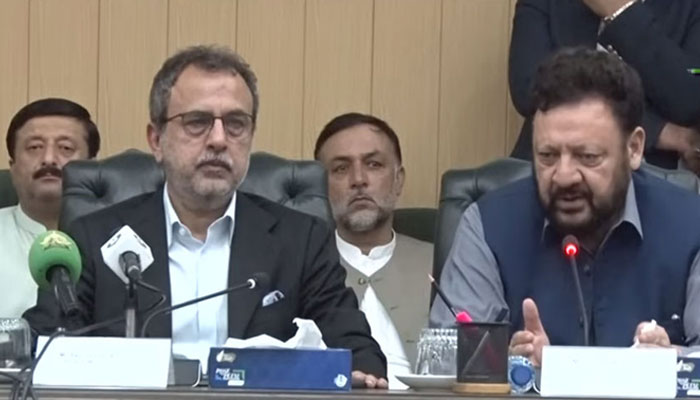
Minister for Power Awais Leghari along with CM GB, and Senator Saleem Mandviwala and representatives of trader association, in a press conference, announced on Wednesday that the federal government had agreed not to collect Sales Tax, Income Tax, and FED on goods imported through the Sost Dry Port, provided those goods are meant exclusively for consumption within GB. The decision, he said will directly benefit the GB population.
Under the framework, imports through Sost intended for local consumption will be exempt from sales tax, income tax and federal excise duty. Customs duty and regulatory charges will still apply, but exemptions will be granted only to GB-based firms on goods listed in a positive tariff schedule. Allocations will be managed through Pakistan Customs’ WeBOC platform on a first-come, first-served basis, with quotas tied to assessed customs values for each tariff line.
The GB government has been assigned responsibility for verifying importers, issuing online authorisations and monitoring compliance. To ensure transparency, full details of tax-exempt imports — including trader names and product categories — will be published on the websites of both the FBR and the GB government.


-
 Aurangzeb confirms Saudi Arabia $10bn interest, says B2B shift ongoing
 -
 Pakistan to build artificial island to boost oil exploration
 -
 Special pink bus service launched for women on Green Line route
 -
 Same number plates from other provinces lead to wrong e-challans for Karachiites
 -
 State institutions ‘fail’ to perform constitutional duties: KP CM
 -
 CTD orders psychological testing of police on VVIP security duty
 -
 Navy busts drug consignment valued at $130m
 -
 Three ex-secretaries in race for ETPB chief post