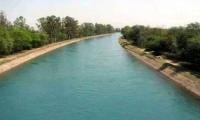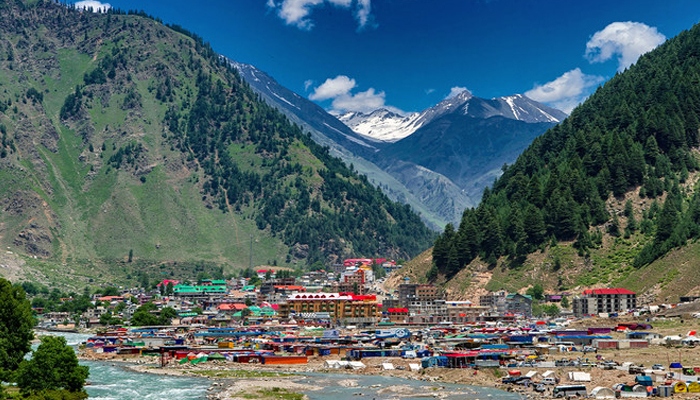
Nestled along the banks of the Kunhar River in the heart of Kaghan Valley, the PTDC Motel in Naran has for decades stood as more than a set of huts and rooms; it was the foundation of Pakistan’s northern tourism story.
Established in the late 1970s and expanded in the 1980s, the motel marked the state’s earliest effort to bring organised tourism to the alpine north. For the first time, families from Karachi, Lahore and Rawalpindi could board the PTDC’s dedicated bus service from Flashman’s Hotel and step directly into Naran’s cool, breathtaking world. What was once a rugged destination for the adventurous elite suddenly became accessible to school trips, honeymooners and middle-class families.
This democratisation of access transformed the region’s economy. Jeep operators began ferrying tourists to Saiful Muluk Lake, Babusar Top and Lalazar. Roadside vendors found markets for trout, pakoras and tea. Artisans and women selling handicrafts found eager buyers. Seasonal employment surged as hotels, restaurants and guides multiplied.
By the early 2000s, Naran had more than 100 private hotels, a boom rooted in the credibility and steady stream of visitors anchored by the PTDC Motel. The building also became a cultural landmark; family albums across Pakistan feature photos of children standing proudly beneath its signboard, a testament to a summer escape into the mountains.
Yet, the motel was more than just a business hub; it was political and symbolic. For Islamabad, it was a federal showcase that demonstrated the state’s presence in the northern areas. Dignitaries, officials and foreign visitors stayed there, making it a site of cultural diplomacy. For locals, it became a source of employment and dignity, linking their livelihoods to the broader national economy.
But the decline of PTDC in the late 2010s, marked most dramatically by the motel’s closure in 2020, told another story: one of government inefficiency and neglect. The silence of its corridors mirrored the slowdown of local economies that had grown around it. Without its anchor, tourism became fragmented, leaving jeep drivers idle and guesthouses uncertain.
The revival of this landmark under Green Tourism Pakistan, rebranded as the GreenPak Riverfront Resort, is therefore more than a renovation; it is a renaissance. Green Tourism has not only restored the physical infrastructure but also repositioned Naran as a premium destination. Modernised lodgings, professionalised services, and a refreshed brand identity now meet the expectations of a new generation of travellers.
Perhaps most strikingly, Green Tourism has introduced private air safaris, flights over the Karakoram, Himalayas, and Hindu Kush, signalling a leap from basic accessibility to high-end experiential tourism. This move places Naran in the same conversation as global alpine destinations, showing that Pakistan can innovate in tourism rather than simply survive.
The timing is crucial. In 2023, Kaghan Valley attracted more than five million domestic tourists, with international arrivals rising as well. During Eidul Azha in June 2025 alone, 168,000 visitors flocked to Naran-Kaghan within just three days, contributing to a broader influx of nearly one million tourists across Khyber Pakhtunkhwa. On some days, as many as 60,000 people poured into the valley in over 12,000 vehicles. These numbers highlight not only the valley’s allure but also the risks of unmanaged tourism.
In June 2025, an ice collapse near a waterfall in Naran tragically claimed three lives, a sobering reminder that infrastructure and safety must grow in step with visitor numbers. It is in this context that the GreenPak Riverfront Resort stands as both a business and a stabilising institution, an organised focal point in an otherwise chaotic market.
Green Tourism’s contribution extends beyond brick and mortar. By reviving the Naran property, it has become a catalyst for job creation and local empowerment. New roles in hospitality, management, housekeeping, food and beverage services and aviation support for the air safari operations are drawing in local youth. Beyond direct employment, the revival stimulates the surrounding economy, and jeep drivers, souvenir vendors and restaurant owners once again benefit from the confidence that an anchor resort brings. This ripple effect transforms the lodge into a hub of livelihoods, not just a place to sleep.
At the policy level, the investment represents a new governance model. Under the Special Investment Facilitation Council (SIFC), Green Tourism has been tasked with rehabilitating state-owned lodges and turning them into engines of growth. The Naran project is proof of concept. By channeling strategic capital into a neglected public asset, Green Tourism has uplifted infrastructure, enhanced services and re-energised a regional economy.
This approach, if replicated across other valleys, could redefine tourism in Gilgit-Baltistan, Swat and beyond. The World Bank has already noted that tourism contributes nearly six per cent to Pakistan’s GDP and supports more than four million jobs. With initiatives like Green Tourism, these numbers can grow significantly, pushing visitor spending from today’s $16 billion toward the projected $30 billion by 2033.
Equally important is the inclusive social fabric of Naran. Kaghan Valley is home to Hindko, Pashto and Gojari speakers, with Gujjars, Swatis, Syeds, Mughals, Durranis and Kashmiris forming its rich ethnic mosaic. Tourism here is not only about income, it is about identity and representation. When visitors interact with guides sharing local folklore, or families serving traditional trout dishes, they are experiencing more than landscapes, they are engaging with culture. Green Tourism’s approach, if genuinely community-integrated, can empower these diverse groups to become custodians of their heritage while earning sustainable livelihoods.
The journey of the PTDC Motel thus mirrors the larger story of Pakistan’s tourism, pioneering optimism, decline from neglect and revival through new models. Its resurrection under Green Tourism Pakistan has restored not just a property, but an entire tourism ecosystem. Naran today stands as proof that when public legacy assets are re-imagined with strategic investment and inclusive vision, communities can thrive, economies can revive, and a region can reposition itself on the world map.
For decades, Naran was the dream of the Pakistani middle class. Today, with GreenPak Riverfront Resort and the broader initiatives of Green Tourism Pakistan, it has become a beacon of resilience, innovation and possibility. The challenge now is to ensure that this growth is sustainable, inclusive and safe, so that Naran remains not just a memory of what once was, but a promise of what Pakistan’s tourism future can be.
The writer is a public policy expert and leads the Country Partner Institute of the World Economic Forum in Pakistan. He tweets/posts @amirjahangir and can be reached at: aj@mishal.com.pk