
KBA cannot prohibit its members from taking on cases involving other members, rules SHC
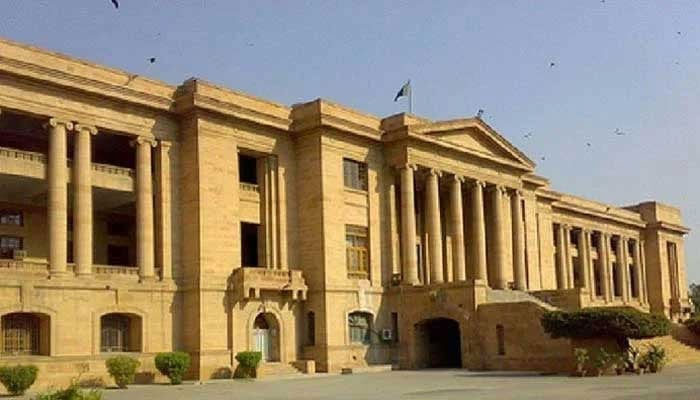
The Sindh High Court (SHC) has ruled that the Karachi Bar Association (KBA) cannot prohibit its members from taking on cases that involve other KBA members.
Disposing of a petition against a KBA resolution that prohibits lawyers to take cases that involves other KBA members, a division bench of the high court headed by Justice Mohammad Karim Khan Agha observed that such a ban violated the Constitution of Pakistan, specifically the fundamental rights to a fair trial (Article 10-A), freedom of association (Article 17), and freedom to practise one’s profession (Article 18).
The petitioner, Ashfaq Panhwar Advocate, had challenged the KBA resolution and requested the SHC to declare that the resolution and complaint against him were illegal and order a legal action against the KBA for violating constitutional rights.
The petitioner submitted that he was forced to withdraw from a bail application for his client, Mohammad Wasim, due to pressure from the KBA and other lawyers, including the respondent advocate.
He alleged that these individuals were using their positions to extort money from people by lodging false FIRs.
He submitted that the actions of the KBA and its members violated his client’s fundamental rights to a fair trial, due process and legal representation of his choice, as enshrined in the Constitution of Pakistan. He contended that the resolution passed by the KBA was unconstitutional because it discriminated against litigants who were up against lawyers.
KBA President Amir Nawaz acknowledged that the resolution passed by the KBA on March 12, 2024, appeared to violate fundamental rights outlined in the Constitution, particularly the articles 10-A, 17, and 18. He undertook to convene a cabinet meeting to withdraw the resolution, stating that the KBA was committed to upholding the Constitution.
He stated that members of the bar association could not be prohibited from appearing in such cases.
He submitted that if a member of the KBA chose to act in a case involving other members of the association, they could not be restricted or prevented from doing so and they shall remain free to act according to their own discretion and the mandates of the Constitution under the Article 10-A, which specifically provides that an accused has the right to appoint counsel of their own choice.
The KBA president also stated in the court that if any KBA member tried to pressurise or intimidate a lawyer who acted against the March 12, 2024 resolution, the association would take disciplinary action against them.
The bench observed that if any lawyer of the KBA was harassed or prevented from handling such cases by another member of the bar association, they may file a complaint before the high court, which would review whether such restrictions violated the Article 10-A of the Constitution.
The SHC observed that this order was passed in an effort to maintain a balance between the parties. The high court observed that any member of the KBA who wished to act in cases involving the murder or rape of a family member of an advocate shall not be prevented from doing so, as under the law they had every right to represent such cases.
The high court also clarified that in the future, the KBA would not pass any further resolutions restricting any member of the association from acting in a case where other members of the association were involved. The bench also made clear that no coercion or threats shall be made against any KBA member who chose to act for such accused.



-
 State institutions ‘fail’ to perform constitutional duties: KP CM
 -
 CTD orders psychological testing of police on VVIP security duty
 -
 Navy busts drug consignment valued at $130m
 -
 Three ex-secretaries in race for ETPB chief post
 -
 Punjab govt forms 71 JITs to probe cases against banned TLP
 -
 Some UNSC members ignoring broader reforms, seeking privilege: Pakistan
 -
 PAC body discusses non-recovery of Rs15bn gas cess
 -
 Pakistan received $2.29bn foreign loans in first 4 months of 2025