Only 18 students enrolled in PCSIR diploma in 5 years
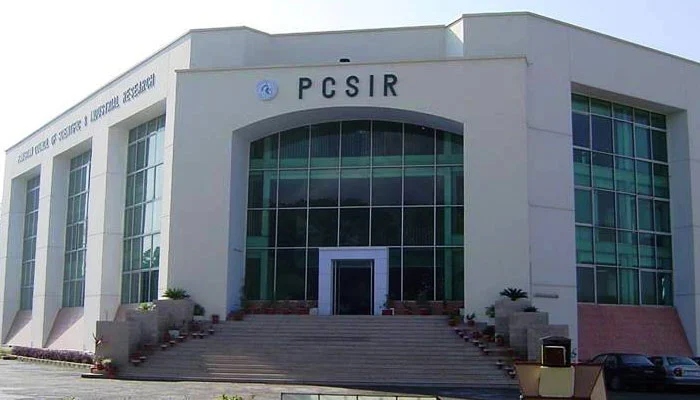
ISLAMABAD: The Senate Standing Functional Committee on Problems of Less Developed Areas expressed serious concern on Tuesday after learning that a Pakistan Council for Scientific and Industrial Research (PCSIR) institution in Sariab, Balochistan, had enrolled only 18 students in its Diploma of Associate Engineering programme over the past five years.
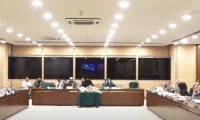
The revelation came during a meeting chaired by Senator Danesh Kumar at the Old PIPS Hall, Parliament Lodges, where Senator Jan Muhammad highlighted the alarmingly low enrollment figures. He attributed this trend to deep-rooted socio-economic challenges and urged the government to take immediate corrective measures.
The committee meeting focused on reviewing various ongoing and upcoming development projects aimed at addressing challenges in underdeveloped regions, particularly in health, education, scientific research and industrial development.
A detailed briefing was provided by the Ministry of Science and Technology on the role of the PCSIR in driving technological and industrial advancements in underdeveloped areas.
The briefing covered key initiatives and strategies for the promotion of industrial development, scientific research, and technological innovations aimed at boosting local economies.
The committee was informed that since 2004, the PCSIR has successfully trained over 19,992 individuals across various sectors such as food processing, minerals, marble, gemstone, precision technology, mold and dyes in regions, including Gilgit-Baltistan, Quetta, Daska, Swat, Mingora, Booni and Chitral. The training has empowered local youth by providing them with the necessary skills to contribute to local industries.
Notable developments include the establishment of mobile training facilities at PCSIR Labs in Skardu; the development of value-added products such as jam, squash, fruit candy, herbal teas including apple, cherry and mulberry, as well as apple and pomegranate syrups; and the setting up of a Gem Cutting and Polishing Centre and a Comprehensive Mineral Analyses Facility in Skardu. Additionally, a one-ton capacity solar dryer was developed at the PCSIR Labs Skardu to prevent post-harvest losses.
The committee was further apprised of the beneficiation of lead ore with a 62.7 percent efficiency rate in Uthal, Balochistan; the installation of a defluoridation water treatment plant in Chachro, Tharparker; and the establishment of a greenhouse for hemp cultivation in Quetta.
The committee also received a briefing on several major projects aimed at furthering development in underdeveloped areas. These include the establishment of PCSIR Laboratories in Multan, with a project cost of Rs1.64 billion, approved by the Central Development Working Party in June 2020; a focus on value-added products from available fruits and vegetables, particularly
in areas such as Chitral and Southern Punjab; and innovative initiatives including the utilisation of banana fibers for sustainable industrial applications in Hyderabad and the development of fiberglass boats in Gwadar.
Several new projects were outlined, which include, first, the utilisation of banana fiber for industrial innovation, proposed for PCSIR Labs in Hyderabad and aimed at sustainable and innovative industrial applications; second, a date palm value addition project to develop date-based products in Southern Punjab and contribute to agricultural growth; third, a marine innovation and boat development initiative involving precision and composite boat manufacturing in Gwadar aimed at promoting marine technology and sustainable fiberglass boats; fourth, a project to supply clean
drinking water in Khyber Pakhtunkhwa through the introduction of ceramic water filters in flood-affected areas of Chitral, Swat and Buner; and fifth, a project for cattle feed development to sustainably produce feed from
olive oil waste residues in Peshawar.
Committee Chairman Senator Danesh Kumar emphasised the importance of equipping the youth with skills that can drive economic growth in less developed areas. “Our organisation has successfully trained over 20,000 youth, with 40 percent securing jobs,” he said, highlighting the positive impact of skill development initiatives.
The committee also discussed the educational challenges faced by underdeveloped areas, particularly in Balochistan.
Earlier, the committee expressed its concerns over the non-participation of the health secretary in the meeting, leading the chairman to defer the discussion on health-related issues until the next meeting.
The secretary, along with other relevant officials, has been summoned to provide a detailed briefing at the upcoming
session.
The committee’s next meeting would focus on receiving a detailed briefing from the Ministry of Health, as well as addressing any outstanding issues related to the development of less developed areas across Pakistan.


-
 Aurangzeb confirms Saudi Arabia $10bn interest, says B2B shift ongoing
 -
 Pakistan to build artificial island to boost oil exploration
 -
 Special pink bus service launched for women on Green Line route
 -
 Same number plates from other provinces lead to wrong e-challans for Karachiites
 -
 State institutions ‘fail’ to perform constitutional duties: KP CM
 -
 CTD orders psychological testing of police on VVIP security duty
 -
 Navy busts drug consignment valued at $130m
 -
 Three ex-secretaries in race for ETPB chief post