PAC panel alarmed by theft of thousands of passports
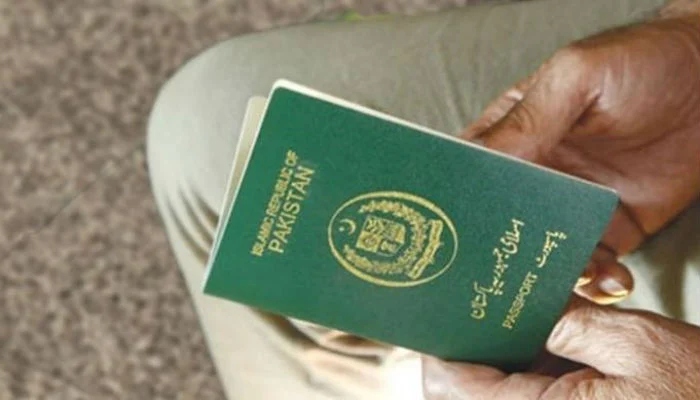
ISLAMABAD: A deep sense of alarm gripped the Public Accounts Committee upon learning that “thousands of passports had been stolen from passport offices across the country over the years.”
The disclosure came during a meeting chaired by the convener, Tariq Fazal Chaudhry, while examining audit paras from 2000 to 2010. The Director General of Passports, Mustafa Qazi, revealed that nearly 32,674 passports had been stolen from 25 passport offices, including Abbottabad, between 1994 and 2000. The Director General stated that all the stolen passports had been blocked and could no longer be renewed or used. He added that in some cases, foreign nationals attempting to travel on these documents had been arrested in Saudi Arabia, while Afghan nationals caught using them had been deported. Calling the situation “deeply alarming,” the sub-committee’s convener, Tariq Fazal Chaudhry, warned that the stolen documents could be misused under the prevailing circumstances. The DG Passports told the committee that, following the incidents, the system had been fully digitised in coordination with NADRA, making fraudulent activity “extremely difficult.” When a committee member asked about the percentage of suspicious identity cards and passports, the DG said the new system did not allow for fake passports to go undetected. The committee directed him to submit a detailed inquiry report. Separately, the meeting also examined audit paras relating to the Ministry of Interior. Audit officials pointed out that the Pakistan High Commission in New Delhi had purchased machine-readable passport (MRP) equipment worth $54,000 nearly 18 years ago, but the system never became operational.
Interior Secretary Khurram Agha explained that soon after the system was procured, Indian authorities withdrew permission for Pakistani staff to run any online facility. Passport officials added that internet connectivity at the mission was poor and that installing external systems risked data leaks. When asked why feasibility studies were not conducted before spending the budget, officials said the mission had briefly issued 71 electronic passports before operations were stopped. They acknowledged that the only viable option now was to repatriate the unused equipment to Pakistan. Dissatisfied with the explanation, the committee directed officials to relocate the passport machinery from New Delhi to Pakistan and settled the audit para on the auditors’ recommendation.


-
 Aurangzeb confirms Saudi Arabia $10bn interest, says B2B shift ongoing
 -
 Pakistan to build artificial island to boost oil exploration
 -
 Special pink bus service launched for women on Green Line route
 -
 Same number plates from other provinces lead to wrong e-challans for Karachiites
 -
 State institutions ‘fail’ to perform constitutional duties: KP CM
 -
 CTD orders psychological testing of police on VVIP security duty
 -
 Navy busts drug consignment valued at $130m
 -
 Three ex-secretaries in race for ETPB chief post