Khyber, Chilas hit by cholera as floods trigger waterborne diseases
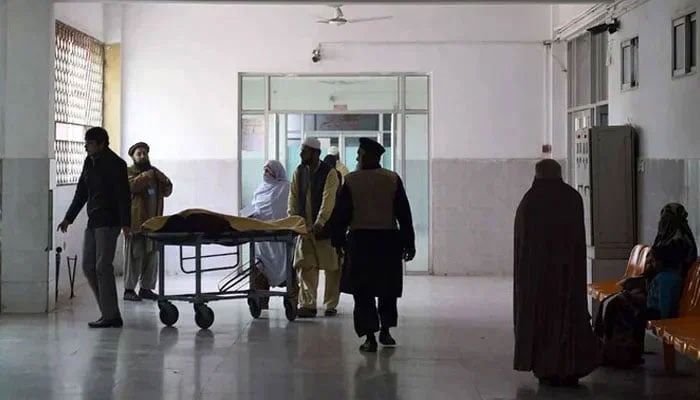
ISLAMABAD: Pakistan is facing an escalating health emergency as fresh outbreaks of cholera are confirmed in Khyber Pakhtunkhwa’s Khyber district and Gilgit-Baltistan’s Chilas, while typhoid and other waterborne infections continue to spread rapidly from flood-hit areas, experts and officials warned on Tuesday.
With millions displaced and the country’s fragile healthcare system already overwhelmed, specialists fear the situation could spiral into one of the worst post-flood health crises in recent memory.
Experts cautioned that once the floodwaters recede in Punjab and Sindh, millions could be at risk of deadly outbreaks that may overwhelm an already fragile health system.
Health specialists, including senior gastroenterologists, are urging the government to act swiftly by deploying preventive vaccination campaigns against both cholera and typhoid in flood-hit areas. They stress that Pakistan already has typhoid conjugate vaccines available and these must be rolled out on an emergency basis to shield vulnerable populations, particularly children, from outbreaks that could claim thousands of lives.
Pakistan’s battle with typhoid has been ongoing since 2016, when a strain resistant to nearly all commonly used antibiotics was first detected in Sindh. It quickly spread across the country, adding immense strain to hospitals where treatment options remain limited, costly and often prolonged.
In many public hospitals, wards are filled with typhoid patients who require extensive care, limiting resources for other emergencies such as dengue, malaria and now the looming flood-related diarrhoeal diseases.
Doctors warn that this burden can only be eased by aggressively expanding vaccination coverage. The typhoid conjugate vaccine (TCV), already part of Pakistan’s immunisation programme, is proven to protect against drug resistant typhoid. Health experts argue that scaling up TCV in high-risk urban centres and flood-affected districts could drastically reduce infections, ease hospital congestion and prevent avoidable deaths.
Cholera, another age-old threat, continues to haunt Pakistan. The disease can kill within hours if untreated and has been endemic in several regions for decades. The detection of outbreaks in KP’ Khyber district and Gilgit-Baltistan—areas untouched by the current floods—is a grim warning that the bacteria is already widespread.
With stagnant floodwaters, broken sewerage systems and crowded relief shelters across large swathes of Sindh, southern Punjab and KP, conditions are ideal for cholera to surge once again.
Medical officers in the tribal belt and Gilgit-Baltistan have reported dozens of suspected cholera cases, though many remain unconfirmed due to inadequate laboratory facilities. Health workers fear that limited testing is masking the true scale of the problem.
“The floods have created perfect conditions for cholera to spread,” a senior epidemiologist at the National Institute of Health said. “We are expecting widespread outbreaks in Sindh, southern Punjab and southern KP within weeks unless urgent interventions are launched.”
The warnings come at a time when Pakistan’s health system is already stretched thin by ongoing battles against polio, malaria and dengue. Oral cholera vaccines are available but remain in short global supply, and Pakistan may not be able to secure the doses it needs. Even where vaccines are deployed, the one-dose regimen currently in use provides only temporary protection, leaving communities vulnerable to renewed outbreaks.
Public health experts are calling for a dual approach: immediate lifesaving measures and long-term investments. In the short term, they recommend establishing oral rehydration and intravenous therapy points in flood-hit areas, chlorinating contaminated water supplies and launching emergency vaccination drives.
In the long term, they emphasise the urgent need for climate-resilient water, sanitation and hygiene (WASH) systems to protect against recurrent epidemics triggered by floods and poor infrastructure.
The memory of 2010 still looms large, when devastating floods triggered massive outbreaks of cholera, diarrhoea and other waterborne diseases that killed thousands. Experts fear a repeat unless the government acts decisively this time. “We cannot afford to repeat the mistakes of the past,” said a senior physician in Karachi. “The time to strengthen disease surveillance, scale up vaccines and ensure safe drinking water is now.”
Community awareness is another critical element. Doctors note that many victims of cholera and typhoid die at home because families delay seeking care. Early treatment with oral rehydration salts, intravenous fluids or timely antibiotics can save lives, but this requires awareness, quick recognition and immediate access to health facilities.
As Pakistan moves from disaster response to recovery, the challenge will not only be rebuilding homes, schools and roads but ensuring access to safe water and sanitation for millions. Without urgent interventions and widespread vaccination, cholera, XDR typhoid and other waterborne infections could become the next national catastrophe in the wake of floods.



-
 Aurangzeb confirms Saudi Arabia $10bn interest, says B2B shift ongoing
 -
 Pakistan to build artificial island to boost oil exploration
 -
 Special pink bus service launched for women on Green Line route
 -
 Same number plates from other provinces lead to wrong e-challans for Karachiites
 -
 State institutions ‘fail’ to perform constitutional duties: KP CM
 -
 CTD orders psychological testing of police on VVIP security duty
 -
 Navy busts drug consignment valued at $130m
 -
 Three ex-secretaries in race for ETPB chief post