The democracy masquerade
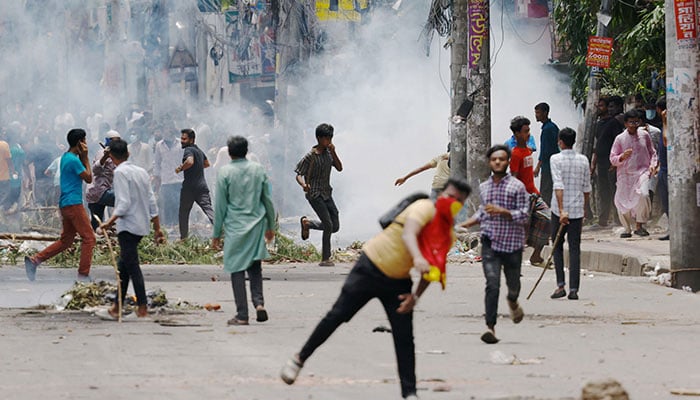
These lines are about young people from different parts of the world. Their countries touted democracy and a flourishing economy yet their life blood ebbed away at the altar of oppression and destitution.
In 1987, Zine El Abidine Ben Ali, a former military officer, ousted president Habib Bourguiba and assumed power. In subsequent elections, only his name adorned the ballot paper as he swept each seat in the legislature. Aspiring presidential candidates were required to get endorsements from 30 political figures. Such was the instilled fear, that only Ben Ali got the required endorsement.
Regulations were tailored to benefit the ruling family’s 200 companies. Ben Ali controlled the judiciary, media and other state institutions. Over $17 billion were plundered by the ruling family.
In December 2010, Mohamed Bouazizi, a 26-year-old Tunisian street vendor, self-immolated as a protest against being harassed endlessly by municipal officials. The meager wares he sold had been confiscated many times, making it impossible for Bouazizi to fend for his parents and eight siblings.
Ten days after Bouazizi’s death, which saw a further 338 perish, thousands marched in Tunis carrying Bouazizi’s portraits. Ben Ali, who had ruled with an iron fist for 23 years, fled the country taking one and a half tons of gold with him.
Abu Sayed, a 25-year-old from a humble family, was the youngest among nine siblings. On July 16, 2024, he was shot multiple times by the Bangladesh police outside the Begum Rokeya University. Arms spread and chest bared, his iconic image shall remain etched in the country’s history. The slogan “Buk petechi guli kor” – “Shoot me, I bare my chest” became a clarion call. Twenty days after Abu Sayed’s death, with 300 more killed, Hasina Wajid’s 15-year authoritarian and repressive rule ended as she fled to India.
Bangladesh proved itself a trailblazer in disaster management. On the economic front, the nascent country emerged from grave poverty with the readymade garment industry becoming the mainstay of its economy. However, like Tunisia, the people suffered from unemployment and soaring inflation as abject poverty prevailed.
Hasina Wajid did away with the election-supervising caretaker system. Bangladesh, unsurprisingly, remained a one-party state for 15 years. Several political leaders were executed on the orders of the International Crimes Tribunal of Bangladesh, a sham court according to international legal experts.
According to a white paper recently presented to Bangladesh Chief Adviser Dr Muhammad Yunus, an estimated $234 billion was siphoned under Hasina’s rule. A joint investigation by The Observer and the Transparency International reveals that Hasina’s close associates, including former ministers, hold ill-gotten properties worth over GBP400 million in the UK alone.
In the ongoing protests in Indonesia, police ran over and killed 21-year-old Affan Kurniawan, a motorcycle rideshare driver. After long simmering discontent, demonstrations erupted after reports that when in the capital, 580 parliamentarians received a monthly housing allowance of 50 million rupiah. This is 20 times the monthly minimum wage in Indonesia’s impoverished areas. A decree also exempts public officials from paying income tax.
Indonesia has and is ruled by ‘Dwi Fungsi’ meaning Dual Function. This doctrine was introduced by General Suharto after deposing Sukarno, leader of Indonesia’s struggle for independence and its first president. It allows the military to have both military and political roles, enabling it to hold positions in government and civilian institutions.
Touted as South East Asia’s largest economy, World Bank data shows 60 per cent of Indonesia’s workforce without stable income or social protection. Ten million people have experienced downward mobility in the past five years.
With 10 protesters dying at the hands of the police, the government now faces a demand list dubbed ‘17+8’. It calls to address 17 issues within a week. These include investigating the killing of Affan Kurniawan, ending military role in governance, releasing detained demonstrators, prosecuting officers responsible for violence and an end to police brutality. The eight demands, including reformation of Indonesia’s parliament, political parties and national institutions have to be addressed within a year.
In Nepal, tens of thousands of protesters, dubbed Gen Z, marched in Kathmandu. Fed up with corruption, unemployment, repression and political dysfunction, the tipping point was a social media ban. ‘Nepo (nepotism) Kids’ became the eye of the storm. Children of politicians and bureaucrats, they flaunted their exotic lifestyle on social media, a stark contrast to Nepal’s indigent masses. More than 2,000 young people leave Nepal daily to seek a livelihood abroad.
Prime Minister KP Oli fled Nepal after police killed 19 demonstrators. This led to the torching of the presidential palace, parliament building, Supreme Sourt, PM and ministers’ residences along with the building that housed the offices of the prime minister.
We shall not see these rampaging scenes in Britain or established democracies. Last week, Angela Rayner, Britain’s Deputy PM and housing secretary, admitted that while buying a flat, she had evaded GBP40,000 in stamp duty. Publicly discredited, the transgression resulted in her resignation – an example for us of the democracy masquerade, copying the British parliamentary system.
Systems and institutions self-correct on a yesterday basis, given the deterrent of accountability and rule of law reigns supreme. The heart of the matter, this alone is the means to economic and social salvation and an antithesis to chaos and anarchy. It is the one and only solution; not tried, tested and ruinous euphemistic governing systems bereft of legitimacy, opposition, accountability and rule of law.
The writer is a freelance contributor. He can be reached at: miradnanaziz@gmail.com