
Nutrition support of Benazir Nashonuma Programme under threat
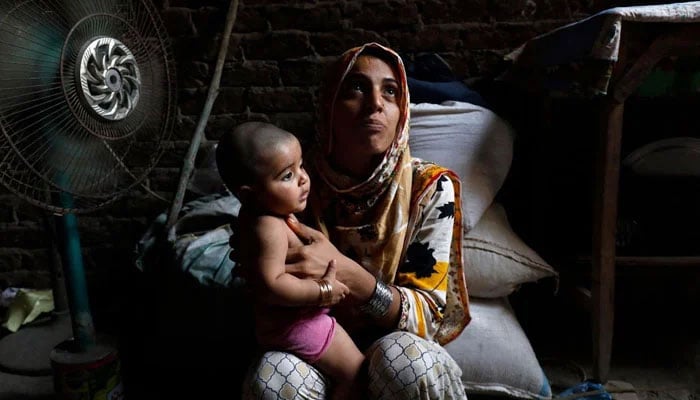
ISLAMABAD: Despite reducing child stunting by up to 20 per cent in targeted districts and showing very promising results for mothers and children, the nutrition support component of the Benazir Nashonuma Program (BNP) is now under threat due to fiscal constraints, it emerged on Saturday.
The BNP, launched under the Benazir Income Support Program (BISP), provided cash assistance and specialized food supplements to pregnant women, nursing mothers and children under two years. According to experts, it had begun to significantly lower stunting, reduce low birth weight and improve maternal health in several districts.
Officials at the BISP did not concede that nutrition support would be ended, but maintained that the government was seeking to avoid duplication since both federal and provincial authorities were working in the same area. However, health experts and development partners voiced serious concern, warning that discontinuing a program with proven impact would be a major setback.
Speaking at a dissemination workshop in Islamabad, Prof Zulfiqar A Bhutta of the Aga Khan University said the program had reduced the number of underweight babies, miscarriages and vulnerable newborns, while also improving weight gain among pregnant women. “Pakistan cannot move forward with a malnourished population. No country in the world has progressed without addressing malnutrition. If we want to climb the development ladder, we must invest in the nutrition of mothers and children,” he stressed.
Findings shared at the workshop showed that stunting among children had fallen by up to 20 per cent in BNP districts, while infant mortality was lower compared to non-BNP areas. Fewer babies were born too small or too weak, and compliance with specialized food supplements contributed to healthier pregnancies and better birth outcomes. Experts described these results as rare achievements in Pakistan’s nutrition sector. Additional Secretary BISP Dr Asmat Nawaz lauded the progress, saying the results were “encouraging and reassuring.” He said the BISP was also contributing in areas such as school enrolment, vaccination coverage and behaviour change with support from the government and development partners. “We will try our best to continue programs like Nashonuma which have shown such positive results,” he assured.
Unicef’s Chief of Nutrition, Anteneh Girma Minas, emphasized that proper nutrition in the first two years of life lays the foundation of a healthy and productive nation. “Investing in children’s nutrition means fewer illnesses, better education and stronger human capital. The Nashonuma program showed how such an investment can change lives,” he said.
Dr Shabina Raza of the Nutrition International said the BNP was unique because it combined cash transfers with food supplements and counseling. “This helped women not only afford better diets but also understand how to feed their children properly,” she noted.
Veteran paediatrician Prof Sajid Maqbool said no nation could secure its future without healthy children. “Preventing stunting and weakness in the early years ensures that children grow up stronger, perform better in schools and become more productive adults,” he remarked.
Dr Saskia de Pee of the World Food Programme pointed out that 65-75 per cent of Pakistan’s population cannot afford a nutritious diet which costs nearly Rs280 per person per day, while families can typically afford only around Rs144. “Nashonuma helped close this gap by providing specialized nutrition to the most vulnerable, and its contribution cannot be underestimated,” she said. Since its launch, the program has reached over 3.5 million women and children in 157 districts, disbursed more than Rs21 billion, and established over 500 facilitation centres and mobile units. Thousands of women graduated from the BNP after receiving support during pregnancy and early childhood.
The experts warned that withdrawing or scaling back the nutrition support would undo these gains. “Pakistan has very few examples of success in combating malnutrition. To curtail Nashonuma at this stage would be a setback for mothers and children who need this support the most,” said one participant.



-
 State institutions ‘fail’ to perform constitutional duties: KP CM
 -
 CTD orders psychological testing of police on VVIP security duty
 -
 Navy busts drug consignment valued at $130m
 -
 Three ex-secretaries in race for ETPB chief post
 -
 Punjab govt forms 71 JITs to probe cases against banned TLP
 -
 Some UNSC members ignoring broader reforms, seeking privilege: Pakistan
 -
 PAC body discusses non-recovery of Rs15bn gas cess
 -
 Pakistan received $2.29bn foreign loans in first 4 months of 2025