Waste resilience and climate imperative in twin cities
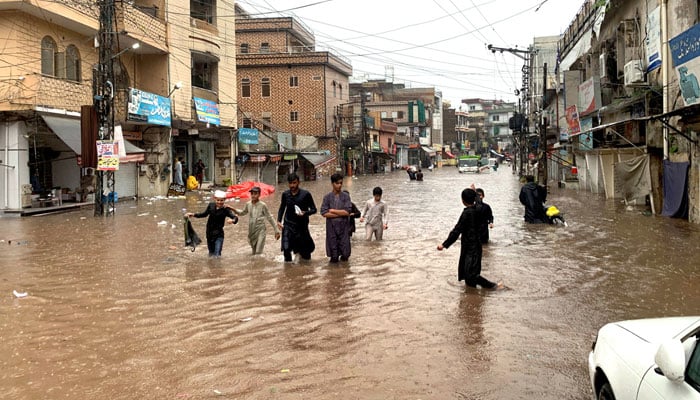
Islamabad:Pakistan is among the most climate-vulnerable nations on earth. Despite contributing less than 1 per cent of global carbon emissions, the country suffers grievous harm from rising temperatures, sea-level rise, and increasingly frequent extreme weather such as floods and droughts. The devastating 2022 floods, for example, caused over $30 billion in damages, displaced more than 30 million people, and claimed over 1,700 lives. UN agencies report that since late June 2025, heavy monsoon rains and flash floods have killed at least 739 people, displaced thousands, and destroyed homes and crops across the country.
Karachi, Islamabad, and Rawalpindi—the twin cities—bear much of this burden. Karachi alone saw rainfall levels in August 2025 near the airport reach 163.5 mm, the highest since 1979. The city’s drainage system, built for around 40 mm of rain, was overwhelmed, and streets, power systems, transport, and neighbourhoods flooded. At least seven lives have already been lost to these deluges in Karachi. Authorities declared citywide emergencies, yet many residents complain that parts of the city remained stranded under water for hours.
Meanwhile, Islamabad/Rawalpindi generate enormous volumes of solid waste—previous official figures estimated over 2,000 tonnes per day. Much of this waste, particularly plastics, organics, and unrecycled material, ends up in drains, nullahs, or open dumps. When heavy rains hit, these blockages turn small downpours into crises.
In this context, adopting climate-resilient waste practices—especially in private housing societies—is no longer optional, but essential. Regular household waste collection, strict segregation of organics and recyclables, composting, and plastic reduction can reduce blockages, lessen methane production, and free municipal capacities during floods. Recycling reduces the burden on dumps and waterways. Composting not only diverts organic waste from choking drains but also provides soil amendment and reduces greenhouse gas emissions.
The private societies in twin cities have a chance to lead. They often already manage their own waste logistics; with local government support they could implement door-to-door segregation, affordable fee-based collection, composting units, and recycling drop-off centres. Schools, colleges and universities as well as workplaces should be partners in building zero-waste habits.
Pakistan’s current monsoon season serves as a stern warning: unless waste mismanagement is integrated into climate adaptation, the annual toll of life, property, and dignity will only worsen. Climate action starts in our homes, our neighbourhoods. Waste should be part of the solution—not another pathway to destruction.


-
 Aurangzeb confirms Saudi Arabia $10bn interest, says B2B shift ongoing
 -
 Pakistan to build artificial island to boost oil exploration
 -
 Special pink bus service launched for women on Green Line route
 -
 Same number plates from other provinces lead to wrong e-challans for Karachiites
 -
 State institutions ‘fail’ to perform constitutional duties: KP CM
 -
 CTD orders psychological testing of police on VVIP security duty
 -
 Navy busts drug consignment valued at $130m
 -
 Three ex-secretaries in race for ETPB chief post