Wife’s right to maintenance begins soon after Nikah: SC
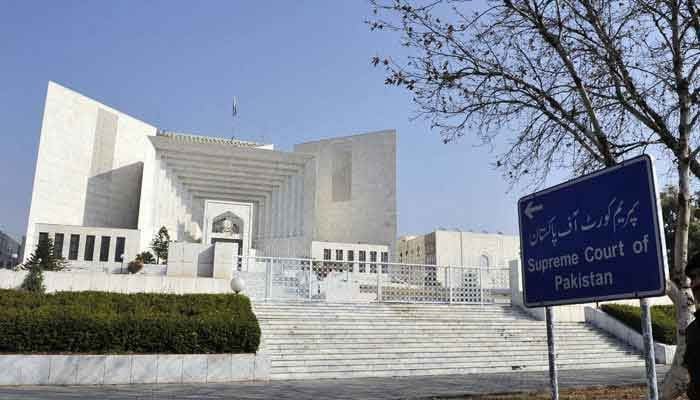
ISLAMABAD: The Supreme Court Friday declared that a wife’s right to maintenance was not conditional upon establishing marital relations with husband or her Rukhsati (formal departure to the husband’s home), nor was it at the husband’s discretion.
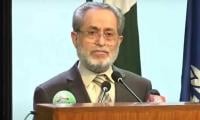
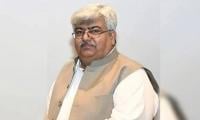
A two-member bench of the apex court, comprising Justice Syed Mansoor Ali Shah and Justice Aqeel Ahmed Abbasi, heard an appeal filed by one Ambreen Akram against the Lahore High Court April 28, 2015 order titled Ambreen Akram verses Asad Ullah Khan.
The Supreme Court after hearing the appeal on July 8, 2025 set aside the order of LHC.
“The right to maintenance begins immediately upon the completion of the marriage contract (Nikah), and it is a legal duty binding upon the husband,” says a 15-page judgment, authored by Justice Syed Mansoor Ali Shah.
The court noted that the judiciary always held that the wife’s right to maintenance commenced right after the Nikah.
The wife’s right to maintenance is established the moment she consents to the marriage with the word “yes,” while Rukhsati only strengthens this right,” says the judgment adding that making this right conditional upon marital relations affects it negatively and gives husbands an opportunity to evade financial responsibility.
The court held that making this right dependent on physical presence was also contrary to gender equality as promised by the Constitution.
The court held that a husband could only be absolved of this duty if he proved his wife had been kept away from him without justification.
The court asked as to when does a Muslim woman become entitled to maintenance within a marriage, and under what circumstances, if any, may a husband be excused from his marital obligation to pay maintenance to his wife.
Expressing concerns over the language used by the LHC in its judgment, the court held that judges, particularly in family law matters, are not merely arbiters of individual disputes; they are reformers and thought leaders capable of guiding the society toward progressive and inclusive thinking.
“They bear a constitutional and ethical duty to adopt gender-sensitive, rights-based language that affirms the equal legal status of women as full and autonomous persons,” says the judgment.


-
 Aurangzeb confirms Saudi Arabia $10bn interest, says B2B shift ongoing
 -
 Pakistan to build artificial island to boost oil exploration
 -
 Special pink bus service launched for women on Green Line route
 -
 Same number plates from other provinces lead to wrong e-challans for Karachiites
 -
 State institutions ‘fail’ to perform constitutional duties: KP CM
 -
 CTD orders psychological testing of police on VVIP security duty
 -
 Navy busts drug consignment valued at $130m
 -
 Three ex-secretaries in race for ETPB chief post
-
 Punjab govt forms 71 JITs to probe cases against banned TLP
 -
Some UNSC members ignoring broader reforms, seeking privilege: Pakistan
-
PAC body discusses non-recovery of Rs15bn gas cess
-
Pakistan received $2.29bn foreign loans in first 4 months of 2025
-
Additional directors appointed at NCCIA zones
-
‘Controversial’ changes to Constitution will destabilise federation, warns Rabbani
-
BA approves safe and environmentally sound recycling of ships bill
-
PTI condemns ‘state brutality’ against Imran’s sisters outside Adiala jail
-
Majority judgment in reserved seats case exceeded SC power: Justice Mandokhail
-
FBR chairman’s challenge: ‘Show one Sifarish-based posting since my arrival’