Italy cipher sparks Senate scrutiny of Pakistan’s agri exports
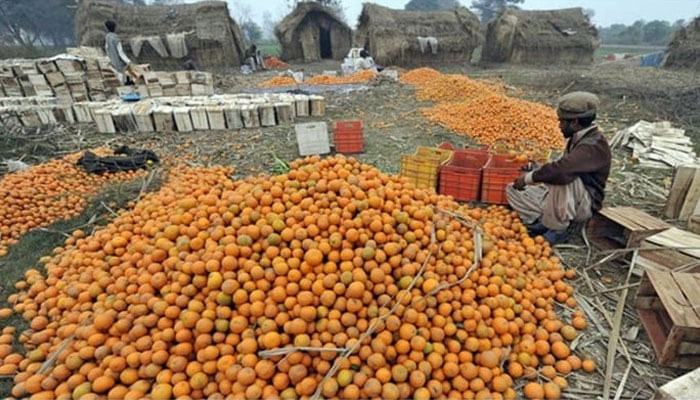
ISLAMABAD: Italy has sent a cipher to Pakistan raising concerns over the country’s agricultural exports, prompting the Senate Standing Committee on National Food Security and Research on Thursday to demand five years of export records.
Lawmakers grilled ministry officials over scandals, vacant leadership posts and violations of export protocols.
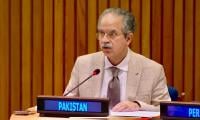
Committee Chairman Senator Syed Masroor Ahsan disclosed the cipher during the meeting, saying it raised serious questions about oversight in the food security sector. The revelation triggered a heated discussion on the ministry’s performance, with Ahsan expressing anger over the director general’s post remaining vacant for nine months.
Food Security Secretary Muhammad Asif informed the committee that three officers who previously held the position had either been dismissed or retired after being found in serious irregularities and scandals. The committee directed that all three former DGs, along with the inquiry officers who investigated them, appear before the panel.
Lawmakers also voiced alarm over breaches of export standard operating procedures, including mango shipments to Iran that bypassed protocols. Ahsan demanded disciplinary action against the responsible secretary and questioned the ministry’s ability to govern effectively if it could not implement Senate recommendations. He also cited a recent European Union report critical of Pakistan’s food safety measures, calling for clarity on accountability.
The committee reviewed the draft National Agri Trade and Food Safety Authority Bill, with Senator Saleem Mandviwalla urging consultations with exporters to ensure their concerns are addressed. He emphasised the need for a clause-by-clause assessment to meet the bill’s objectives.
Senator Aimal Wali Khan pressed for details on testing procedures for rice exports and quarantine measures for imported animals. The secretary explained that quarantine services were largely provided under public-private partnerships and confirmed a ban on live animal imports since 2014, except for rare exemptions.
Mandviwalla also highlighted aircraft meant for locust control that are now lying idle and deteriorating at airports, prompting Ahsan to announce that the next committee meeting would be held in Karachi to inspect the grounded planes. He directed officials to ensure strict compliance with recommendations made in previous sessions.


-
 Aurangzeb confirms Saudi Arabia $10bn interest, says B2B shift ongoing
 -
 Pakistan to build artificial island to boost oil exploration
 -
 Special pink bus service launched for women on Green Line route
 -
 Same number plates from other provinces lead to wrong e-challans for Karachiites
 -
 State institutions ‘fail’ to perform constitutional duties: KP CM
 -
 CTD orders psychological testing of police on VVIP security duty
 -
 Navy busts drug consignment valued at $130m
 -
 Three ex-secretaries in race for ETPB chief post