Pakistan rethinks TAPI gas pipeline after consultant flags LNG surplus
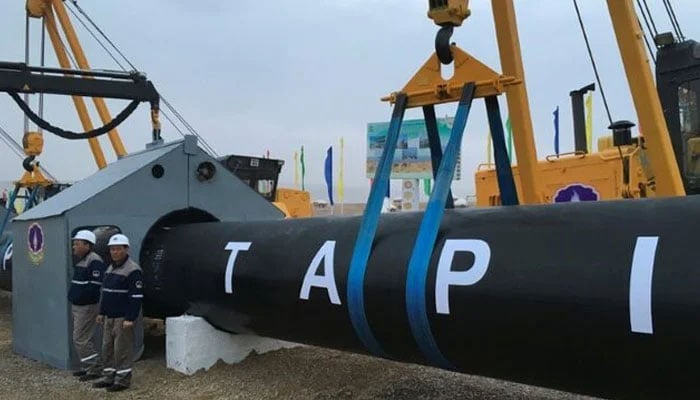
ISLAMABAD: In a significant development, international energy consultancy Wood Mackenzie has advised the Government of Pakistan to delay any commitment to gas intake from Turkmenistan under the TAPI pipeline project until at least 2031.
This recommendation comes as Pakistan is already facing a surplus of imported LNG, due to a dramatic decline in domestic gas consumption, a senior official from the Ministry of Energy told the scribe.
The advisory has sparked urgent deliberations within the Petroleum Division, where senior officials are now seriously considering either notifying Turkmenistan of a potential deferment or even withdrawing from the $13 billion Turkmenistan-Afghanistan-Pakistan-India (TAPI) gas pipeline. The warning comes amid growing challenges in managing Pakistan’s existing LNG contracts and infrastructure.
In parallel with this domestic oversupply crisis, Pakistan is also reassessing its strategic position on TAPI, particularly in light of India’s ongoing indecision. According to senior officials, if India formally withdraws from the project, the pipeline would effectively become TAP (Turkmenistan-Afghanistan-Pakistan)—a model that Islamabad deems economically unviable.
Without India’s participation, Pakistan would lose an estimated $700–800 million annually in transit fee revenue. Instead, it would be required to pay $500 million per year to Afghanistan for gas transit.
When added to the base gas price of $7.5 per MMBTU, the total cost would exceed the price of even expensive RLNG imports—making the project financially unsustainable.


-
 Aurangzeb confirms Saudi Arabia $10bn interest, says B2B shift ongoing
 -
 Pakistan to build artificial island to boost oil exploration
 -
 Special pink bus service launched for women on Green Line route
 -
 Same number plates from other provinces lead to wrong e-challans for Karachiites
 -
 State institutions ‘fail’ to perform constitutional duties: KP CM
 -
 CTD orders psychological testing of police on VVIP security duty
 -
 Navy busts drug consignment valued at $130m
 -
 Three ex-secretaries in race for ETPB chief post