Climate risk
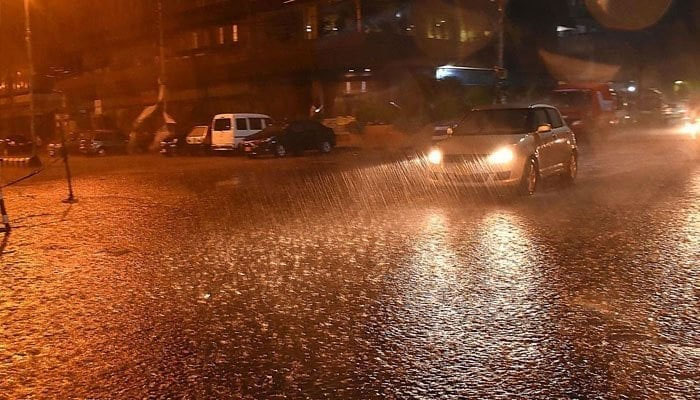
In the Climate Risk Index 2025, Pakistan moved from eighth to first place as the most affected country by climate related events. But are these climate risk effects experienced equally across population? No, because the impacts have massive detrimental direct and indirect effects on child vulnerability.
In 2021, Unicef ranked Pakistan among the top 15 countries where children are extremely vulnerable to climate change and environmental stresses and shocks. This is alarming because, when nations speak about sustainability, their main priority needs to be the children.
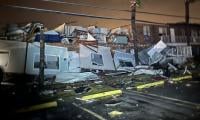
Provincially, every year climate hotspots are changing due to difference in the intensity and frequency of climate-induced disasters, such as heatwaves, floods and droughts. These disasters increasingly push vulnerable populations below the poverty line. According to the World Bank, the 2022 floods alone pushed between 8.4 million and 9.1 million people below the poverty line. Child fatalities were particularly high in Sindh.
Similarly, according to the NDMA, the current monsoon season has also led to hundreds of deaths. Provincially, Punjab bore the brunt of the rainfall, followed by Khyber Pakhtunkhwa, Sindh, Balochistan, Gilgit-Baltistan and other areas. Specifically, 70 children died in Punjab, 38 in KP, 14 in Sindh, 11 in Balochistan and 19 in GB. The pattern of children injuries mirrors this trend, with Punjab experiencing the highest numbers, followed by other provinces.
Considering these changing patterns and economic conditions provincially, children from poor districts are far more vulnerable than those in economically stable districts with less frequent climate risk. Are children from Tharparkar, Umerkot, Dera Bugti, Washuk, Qilla Abdullah or other developing areas treated equally as compared to children living in other districts of Pakistan? Children in these districts face disproportionate greater effects of climate risk and environmental challenges than those in other districts.
The Institute of Business Administration (IBA) State of the Economy Report (2024–2025) highlights that a significant number of districts in Sindh and Balochistan are facing high levels of children’s climate risk. The ten most vulnerable districts identified are Tharparkar, Dera Bugti, Washuk, Qilla Abdullah, Harnai, Barkhan, Thatta, Sujawal, Umerkot and Nasirabad.
Children in these areas are not only exposed to severe socioeconomic disadvantages, but also face the compounded impacts of climate-related crises. These include disrupted education, increased child labour and child marriages, food insecurity and serious physical and mental health challenges.
These conditions bring us back to the resource curse hypothesis, which appears to hold true for Pakistan – similar to other developing countries that are rich in natural resources yet lag behind in development and progress compared to nations with fewer resources. This hypothesis may also apply within countries, at the district or union council level, where resource-rich areas do not necessarily experience better development outcomes.
A supporting perspective comes from Jared Diamond’s book Guns, Germs, and Steel, which argues that disparities in power and technological advancement among societies are primarily due to geographical and environmental factors, not because of any racial or cultural superiority.
We need a vision with climate resilient policies, especially focusing on children across the country. One effective way to do it, is to provide government-supported child insurance to calamity prone districts that cover education and health-related expenses. Social safety nets must also support poor families to support their food expenses to reduce child malnutrition and labour in Sindh, Balochistan and across other vulnerable regions in Pakistan.
The writer is a postdoctoral researcher at the Water School, Florida Gulf Coast University, and assistant professor at IBA, Karachi.