Reduced to rubble
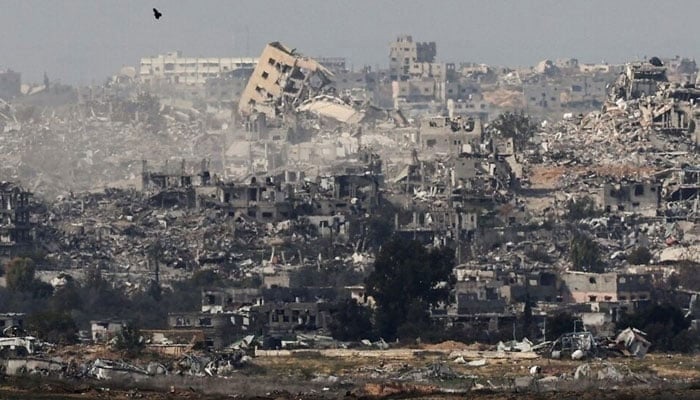
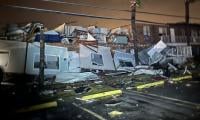
My neighbourhood in east Gaza, Shujayea, is gone! Reduced to rubble, with not a single stone left upon another. The streets that once echoed with the laughter of children, the calls of vendors, and the familiar rhythms of daily life now lie in silence, smothered by dust and destruction. What was once a vibrant community, full of stories and memories, has been erased in a matter of moments.
A few days ago, my brother Mohammed went back to Shujayea to check on our family home. When he came back he told my father that nothing remained except for a few broken walls and scattered columns. A few hours later, we were shocked to learn that my father himself had braved extreme danger to see it with his own eyes. In a place where every step can mean death, he chose to walk through the ruins of our past.
This was the house my grandfather and father had built with years of effort, the house that carried my dad’s dreams and bore the marks of his sweat and sacrifice. It was where he raised his children, where we celebrated weddings and birthdays, where countless family memories were made. And now, it is nothing but rubble.
But our family’s loss is not just this one house. My father’s destroyed home is now added to my own burned apartment, my sister Nour’s bombed apartment, my sister Heba’s demolished home, and my sister Somaia’s two apartments – one reduced to rubble and the other burned. To this list are added my uncle Hassan’s destroyed building, my uncle Ziad’s building, my uncle Zahir’s home, my aunt Umm Musab’s apartment, my aunt Faten’s apartment, and the completely destroyed homes of my aunts Sabah, Amal, and Mona. And these are only the losses within our immediate family. All around us, countless relatives, friends, and neighbours have seen their homes obliterated, their memories buried under the debris.
This is not simply about the staggering material value of what we have lost. Yes, the homes were filled with furniture, personal belongings, and cherished possessions, but the destruction goes far deeper than material things. What has been taken from us is irreplaceable. A house can be rebuilt, but the sense of belonging that comes from walking familiar streets, from living in the same neighbourhood where generations of your family have grown up – that cannot be reconstructed with bricks and cement.
Shujayea was more than just buildings. It was a community stitched together by relationships, shared histories, and the memories of ordinary lives. It held the neighbourhood bakery where we bought fresh bread at dawn, the small corner shop where neighbours gathered to chat, the ancient Ibn Othman mosque that echoed with prayers during Ramadan. These were the spaces where children played, where families celebrated, and where neighbours supported each other through good times and bad.
When a neighbourhood like Shujayea is erased, it is not only walls that fall; it is a whole way of life. The destruction severs ties between neighbours, scatters families across shelters and refugee camps, and leaves a deep wound that no reconstruction project can truly heal. A rebuilt house may have four walls and a roof, but it will not be the same home that once carried generations of stories.
The pain of this loss is not unique to my family. Across Gaza, entire neighbourhoods have been flattened. Each pile of rubble hides the history of a family, the laughter of children, the wisdom of elders, and the love of a community that once thrived there. Each destroyed home is a silent witness to the human cost of this war, costs that cannot be measured in money or damage assessment.
Excerpted: ‘My neighbourhood in Gaza is gone, reduced to rubble and silence’. Courtesy: Aljazeera.com