
Inefficiency in farming threatens food security amid rising floods: experts
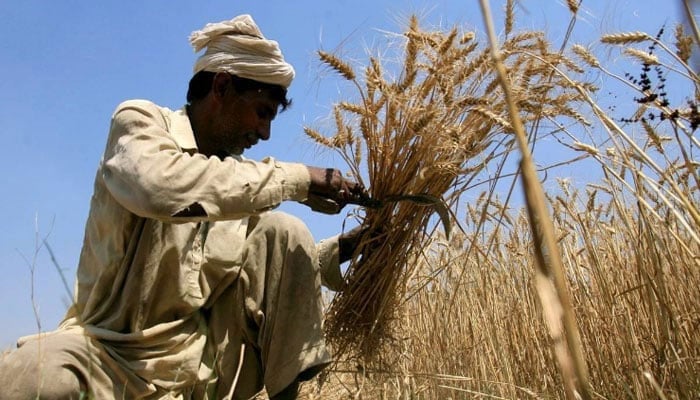
ISLAMABAD: Pakistan’s agricultural backbone is at risk as recurrent flooding collides with outdated, energy-intensive farming practices, driving up costs for farmers and threatening national food security, experts warned. The country’s heavy reliance on diesel-powered irrigation, inefficient tube wells, and obsolete machinery is leaving both livelihoods and food supplies vulnerable to climate shocks.
The National Energy Efficiency and Conservation Authority (Neeca) Managing Director Dr Sardar Mohazzam has said that the recent floods had exposed structural flaws that Pakistan could no longer afford to ignore. “Reproducing existing inefficiencies in our agricultural systems is untenable,” he said, calling for rapid investment in efficient tube wells, solar pumps and low-energy cold storage facilities as both a path to productivity and a shield against climate disruption.
Neeca, operating under the Power Division, is the federal body responsible for driving and coordinating energy conservation efforts across all sectors of the economy.
Officials from the Ministry of National Food Security and provincial departments joined representatives from the FAO, IWMI, GIZ, and agri-technology firms in urging data-driven interventions that build on existing infrastructure rather than duplicating failed programmes. Financing was highlighted as a critical enabler, with proposals ranging from on-bill repayment models and vendor credit to blended public–private partnerships aimed at making modern technology affordable for smallholders.
Cold storage also emerged as a pressing concern, particularly in flood-prone regions where post-harvest losses surge during power disruptions. Participants agreed that energy efficiency must become a cornerstone of Pakistan’s agricultural strategy, balancing the farmer’s need for affordable production with the consumer’s demand for accessible prices, while positioning the sector for climate resilience and sustainable growth.




-
 State institutions ‘fail’ to perform constitutional duties: KP CM
 -
 CTD orders psychological testing of police on VVIP security duty
 -
 Navy busts drug consignment valued at $130m
 -
 Three ex-secretaries in race for ETPB chief post
 -
 Punjab govt forms 71 JITs to probe cases against banned TLP
 -
 Some UNSC members ignoring broader reforms, seeking privilege: Pakistan
 -
 PAC body discusses non-recovery of Rs15bn gas cess
 -
 Pakistan received $2.29bn foreign loans in first 4 months of 2025